ESPN ranks Indiana Hoosiers at summit of FBS as parity reshapes 2026 landscape
New ESPN tiered ranking places Indiana in the top tier ahead of Miami, Notre Dame, and Ohio State, reflecting a structural shift in college football governance and recruitment.
ESPN has released a comprehensive tiered ranking of all 138 Football Bowl Subdivision teams ahead of the 2026 season, highlighting a significant structural shift in the sport’s competitive hierarchy. The publication places the Indiana Hoosiers in the top tier, positioning them alongside traditional powers such as Miami, Notre Dame, and Ohio State. This ranking underscores the impact of roster turnover, the transfer portal, and Name, Image, and Likeness (NIL) regulations on the sport’s governance and competitive balance.
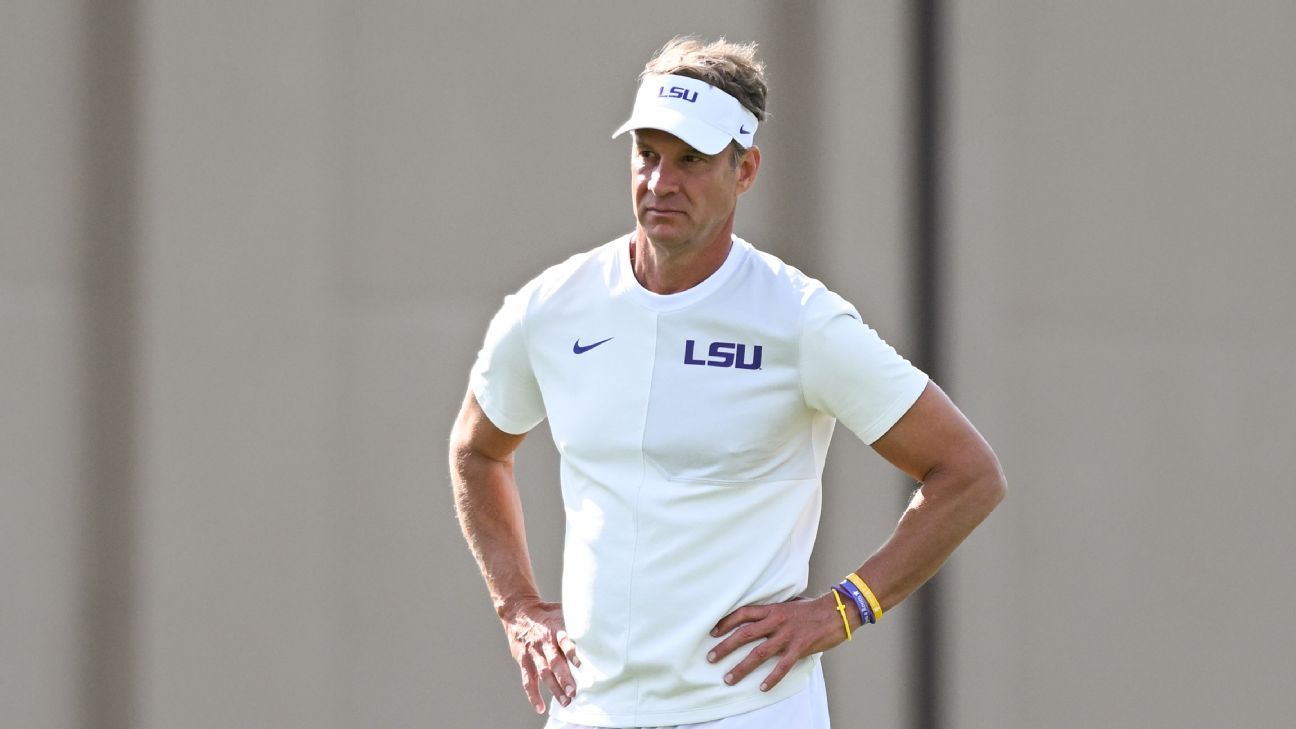
The assessment notes that the competitive floor is rising while the ceiling for top teams is dropping, a sentiment echoed by head coaches Lane Kiffin and Kirby Smart. Kiffin observed that the era of stockpiled talent, exemplified by dominant rosters in the 2010s, is ending. Smart similarly expressed concern over the changing landscape, noting that the financial disparities and roster fluidity have made it increasingly difficult for traditional powers to maintain long-term dominance.
Indiana’s placement at the apex of the rankings serves as a case study for this new parity. Under head coach Curt Cignetti, the Hoosiers have posted a 27-2 record, with losses only to the top two teams in the country in 2024. ESPN describes the program as the indisputable standard bearer, noting that their rise provides a blueprint for non-traditional powers to compete at the highest level. However, the publication also questions the sustainability of this success, citing the departure of key transfers and the challenges of reloading in an open market.
Traditional powers face renewed scrutiny in the second tier. Georgia, Oregon, and Texas are ranked below the top tier, with ESPN expressing trust issues regarding their potential for regression. Georgia’s recent dominance, including a 52-3 record against Power 5 teams from 2021 to 2023, has given way to closer margins in subsequent seasons. Similarly, Oregon and Texas, despite possessing high-profile talent, have shown vulnerabilities in high-stakes matchups, reinforcing the notion that roster stability is no longer a guarantee of success.
The ranking structure extends through 20 tiers, with Tier 3 featuring teams such as BYU, LSU, Oklahoma, and USC. These programs are characterised by title aspirations but face significant questions regarding coaching transitions and roster stability. The analysis suggests that while the financial and regulatory environment has levelled the playing field, it has also introduced greater volatility, making preseason evaluations increasingly complex and data-dependent.
The publication utilises specific statistical comparisons across all tiers, including drive success rates, sack differentials, and quarterback performance metrics. These metrics highlight the difficulty of evaluating teams amidst wildly divergent schedules and massive financial disparities. The ranking serves as a snapshot of a sport in transition, where institutional investment and coaching adaptability are becoming as critical as raw talent accumulation.
As the 2026 season approaches, the ESPN ranking reflects a broader trend of increased parity in college football. The rise of Indiana and the relative decline of traditional powers illustrate the impact of the transfer portal and NIL regulations on the sport’s competitive dynamics. Coaches and administrators alike are navigating a landscape where the advantages of the past are being neutralised by the fluidity of the present.