ESPN analysts dissect NFC roster moves, highlighting strategic successes and failures across the conference
From the Vikings’ quarterback acquisition to the Lions’ draft strategy, ESPN’s evaluation underscores the varying degrees of success in team-building efforts across the National Football Conference.
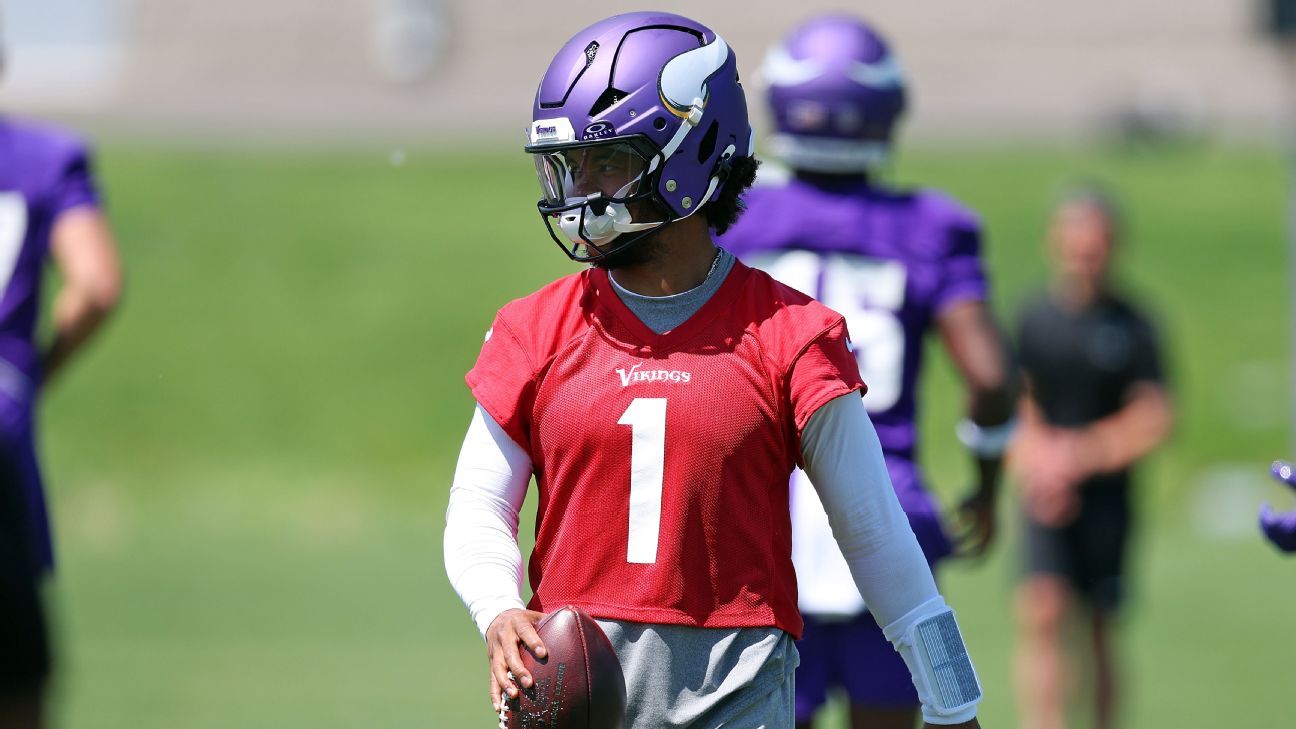
ESPN has published a comprehensive evaluation of the 2026 NFL offseason activities for National Football Conference teams, categorising roster moves as either successful or ineffective. The analysis focuses on free agency acquisitions, draft selections, and contract decisions, assessing how these actions align with each franchise's strategic needs and salary cap constraints. Notable positive assessments include the Minnesota Vikings securing quarterback Kyler Murray on a one-year contract and the Dallas Cowboys adding cornerback Cobie Durant.
Conversely, the report criticises several high-profile decisions, such as the Vikings trading edge rusher Jonathan Greenard, the San Francisco 49ers selecting running back Kaelon Black, and the Chicago Bears' failure to reinforce their edge rusher position. Other teams scrutinised include the New York Giants, who traded Dexter Lawrence II, the Philadelphia Eagles, who signed Riq Woolen, and the Detroit Lions, who utilised draft capital aggressively to trade up.
The evaluation highlights significant variance in how teams approached personnel management. The Vikings were praised for acquiring Murray on a one-year deal, which analysts described as offering massive upside with minimal financial risk. However, the same organisation faced criticism for trading Greenard for two third-round picks, with the report suggesting the return was insufficient for a player of his calibre. Similarly, the Giants were commended for trading Lawrence II to acquire draft capital, a move viewed as prudent given the team's rebuilding status and the defensive tackle's contract situation.
In contrast, the Detroit Lions were noted for their aggressive use of draft capital to trade up, a strategy that drew scrutiny for potentially depleting future assets. The report questioned whether the Lions' reliance on trading up was sustainable given the impending salary cap implications for their young core. Meanwhile, the Chicago Bears were criticised for neglecting the edge rusher position despite clear deficiencies in pass pressure during the previous season.
The analysis also touched on other key decisions, such as the Dallas Cowboys signing Durant to a cost-effective deal and the Philadelphia Eagles upgrading their secondary with Woolen. These assessments provide a snapshot of the complex decision-making processes involved in modern NFL roster construction, where balancing immediate competitiveness with long-term financial flexibility remains a primary challenge for general managers.