ESO advances construction of world's most powerful optical telescope in Chile
The project aims to leverage the region's exceptional atmospheric clarity to deliver enhanced astronomical views from a site already renowned for its scientific output.
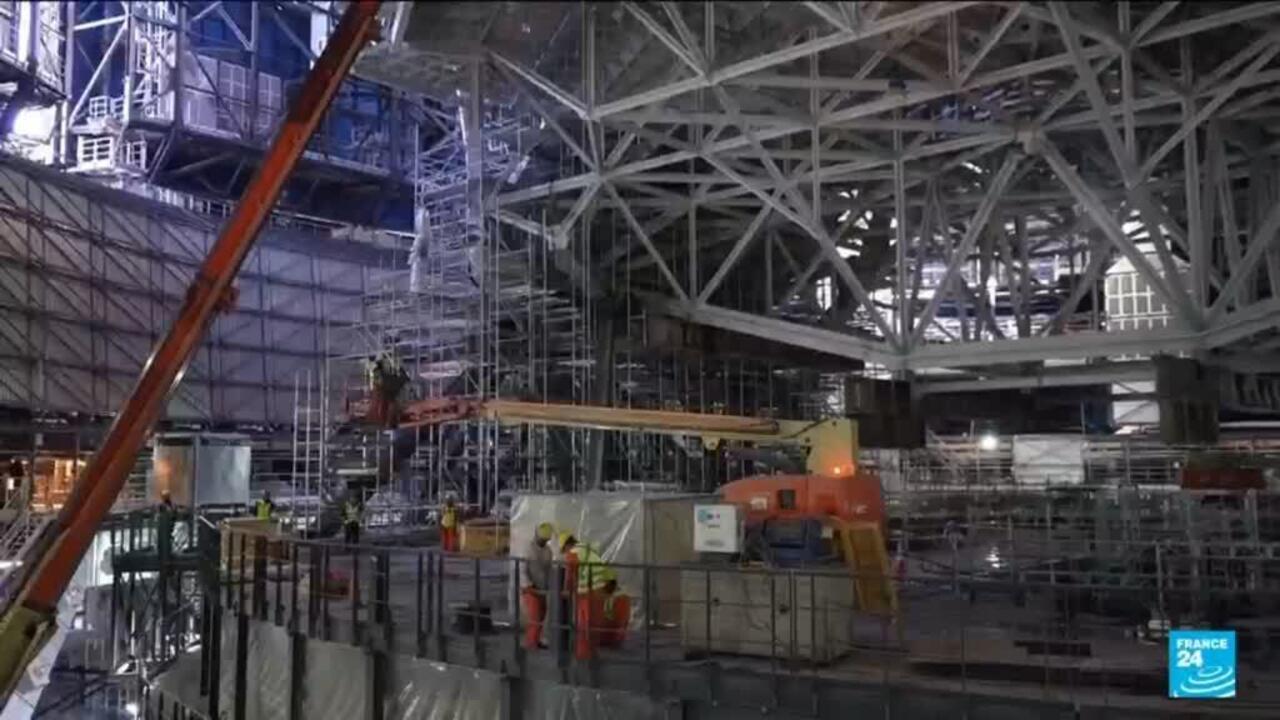
The European Southern Observatory is actively advancing plans to construct the Extremely Large Telescope in Chile's Atacama desert. This initiative represents a significant step in establishing the world's most powerful optical telescope, designed to deliver enhanced astronomical views from a location historically favoured for its clear skies.
The Atacama desert in Chile has long served as a hub for world-class astronomy due to its exceptional atmospheric clarity. By situating this new facility within this region, the project aims to bring high-resolution cosmic views closer to human observation while utilising the environmental conditions that have defined the site's scientific reputation.
The primary objective of the project is to provide enhanced astronomical views using the region's clear skies. The European Southern Observatory is proceeding with the construction of the Extremely Large Telescope to ensure that the stunning views of the universe available from this area are accessible through advanced instrumentation.
Details regarding specific timelines for the construction phase are not available in the current reporting. However, the organisation confirms that it is moving forward with the project to build the Extremely Large Telescope in the Atacama desert, Chile.
The retrieved information identifies the European Southern Observatory as the leading body for this initiative. The focus remains on the institutional progression of the project rather than performance metrics or operational schedules which have not been disclosed in the source material.
This development underscores the continued reliance on the Atacama desert for major astronomical infrastructure. The project stands as a new initiative by the ESO designed to capitalise on the region's status as a premier location for observing the cosmos.