ESA launches satellites to track climate stress on land and sea
Flex will measure plant fluorescence, while Sentinel-3C will gather marine and land-use data for climate and environmental monitoring.
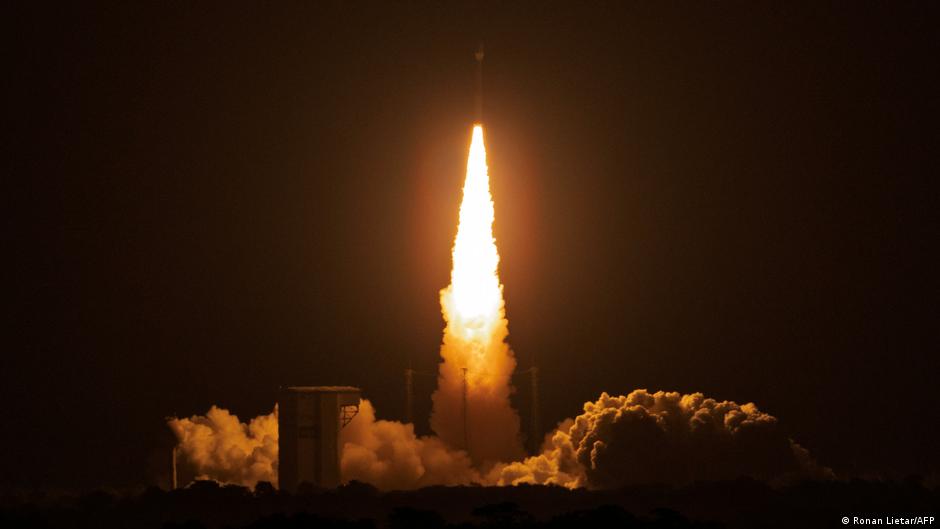
The European Space Agency says it has launched two climate-observation satellites aboard a Vega-C rocket from French Guiana, placing both spacecraft into sun-synchronous orbit within two hours of lift-off.
The Flex satellite will measure faint fluorescence emitted by plants during photosynthesis. ESA says the data will help scientists assess plant health, ecosystem productivity and the effects of environmental stress and climate change.
The €350 million Flex mission is planned to operate for three years. It is expected to orbit Earth 14 times a day and revisit particular locations every 27 days, according to the supplied report.
Sentinel-3C will collect marine data including sea temperature, wave height and ocean currents. It will also monitor land use and land cover as part of Copernicus, the European Union’s Earth-observation programme.
ESA says the missions will support efforts to understand climate change and related extreme weather events. The agency also identifies improved agricultural yields as an intended application of Sentinel-3C’s data.