Eritrea accuses Ethiopia of expansionism and war preparation in Al Jazeera response
An Eritrean-aligned author argues that the Prosperity Party is using revisionist narratives to mask aggressive military mobilisation and pursue sovereign access to the sea, citing the Memorandum of Understanding with Somaliland as evidence of regional destabilisation.
An opinion piece published on Al Jazeera on 25 June 2026 has directly challenged assertions by Ethiopian officials Redwan Hussein and Getachew Reda, who claimed Ethiopia is being reluctantly “dragged into war” by external actors. The article, authored by an Eritrean-aligned writer, contends that the ruling Prosperity Party is employing revisionist narratives to shield itself from responsibility for mounting domestic crises and to normalise hostility towards Eritrea.
The text refutes the notion that the 2020–2022 conflict in northern Ethiopia was driven by external manipulation, asserting instead that it stemmed from internal ethnic and political divisions. It maintains that Eritrea was drawn into the conflict at the explicit request of the Ethiopian federal government for reasons of self-defence, rather than as an instigator. The author argues that current Ethiopian security discourse represents a dangerous inversion of reality designed to distract from the Prosperity Party’s own aggressive posturing.
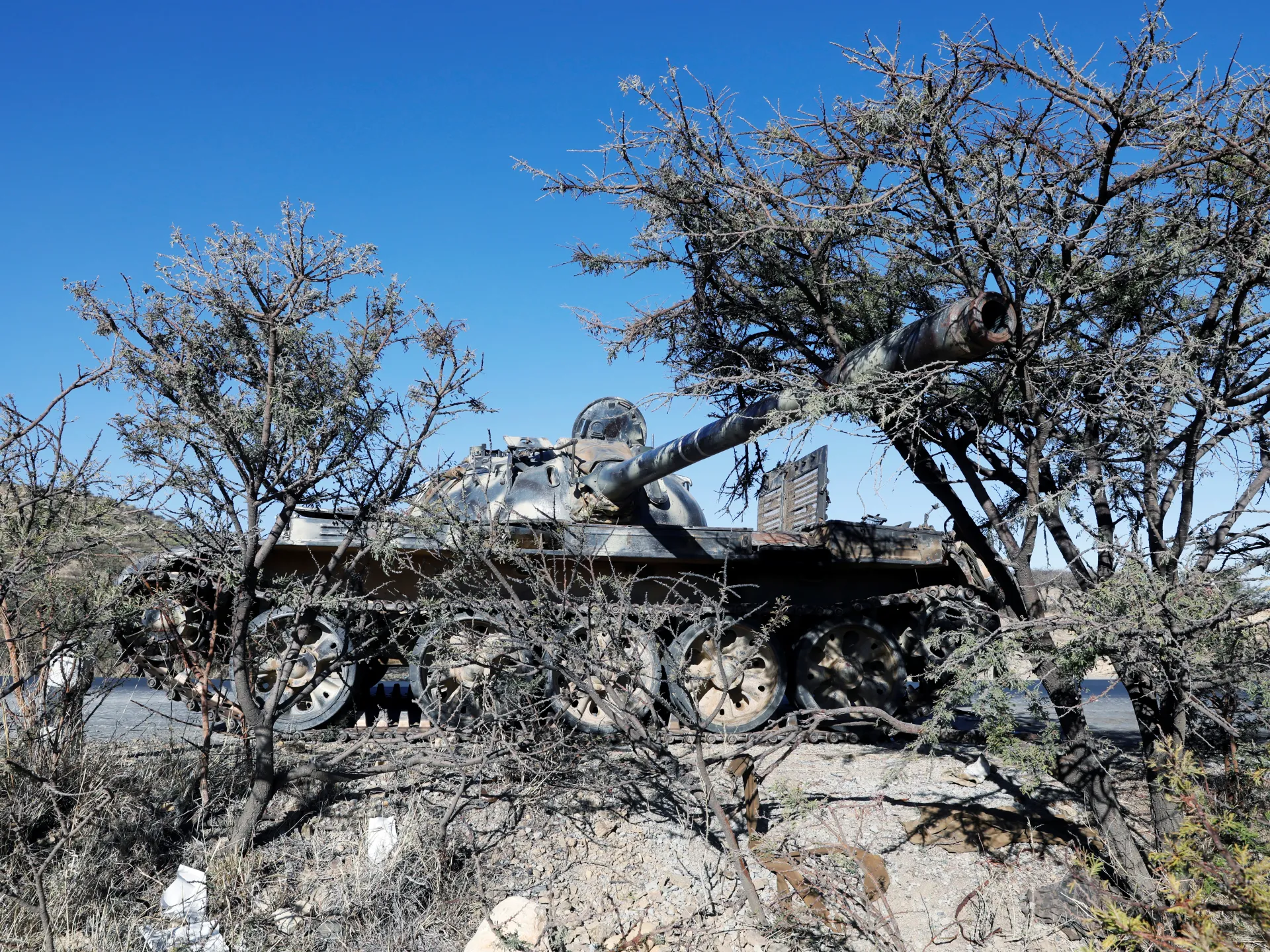
Since late 2023, the article accuses the Ethiopian government of launching a manufactured campaign centred on the pursuit of “sovereign access to the sea.” To build legitimacy for this narrative, the piece alleges that Addis Ababa has deployed instructors, researchers, media figures, and co-opted foreign commentators to challenge colonial boundaries in the Horn of Africa. This diplomatic effort is accompanied by what the author describes as aggressive military mobilisation, including the massing of heavy artillery and mechanised divisions near the Eritrean border.
The opinion piece criticises Ethiopia’s recent foreign policy conduct, citing the Memorandum of Understanding with Somaliland as evidence of expansionist intent. The text argues that this agreement, which sought access to coastal territory without the consent of Somalia’s central government, triggered a major diplomatic crisis and raised serious questions regarding respect for established principles of sovereignty. Similar concerns were raised regarding Ethiopia’s interventionist policies in neighbouring conflicts in Somalia and Sudan.
Regarding the Pretoria Agreement, the article describes it as an exclusively Ethiopian affair concerning domestic constitutional arrangements and disarmament, with Eritrea supporting genuine peace efforts. The author states that Eritrea possesses neither the political appetite nor the strategic interest to disrupt agreements between Ethiopian political forces. The piece concludes by calling for an immediate end to cross-border sabre-rattling and a return to the foundational principles of non-interference and territorial integrity.