Environmental authorities ring 600 flamingo chicks at Spain’s Fuente de Piedra
Hundreds of volunteers gathered at the nature reserve on Saturday to tag the young birds, continuing a long-standing effort to monitor species movement in the region.
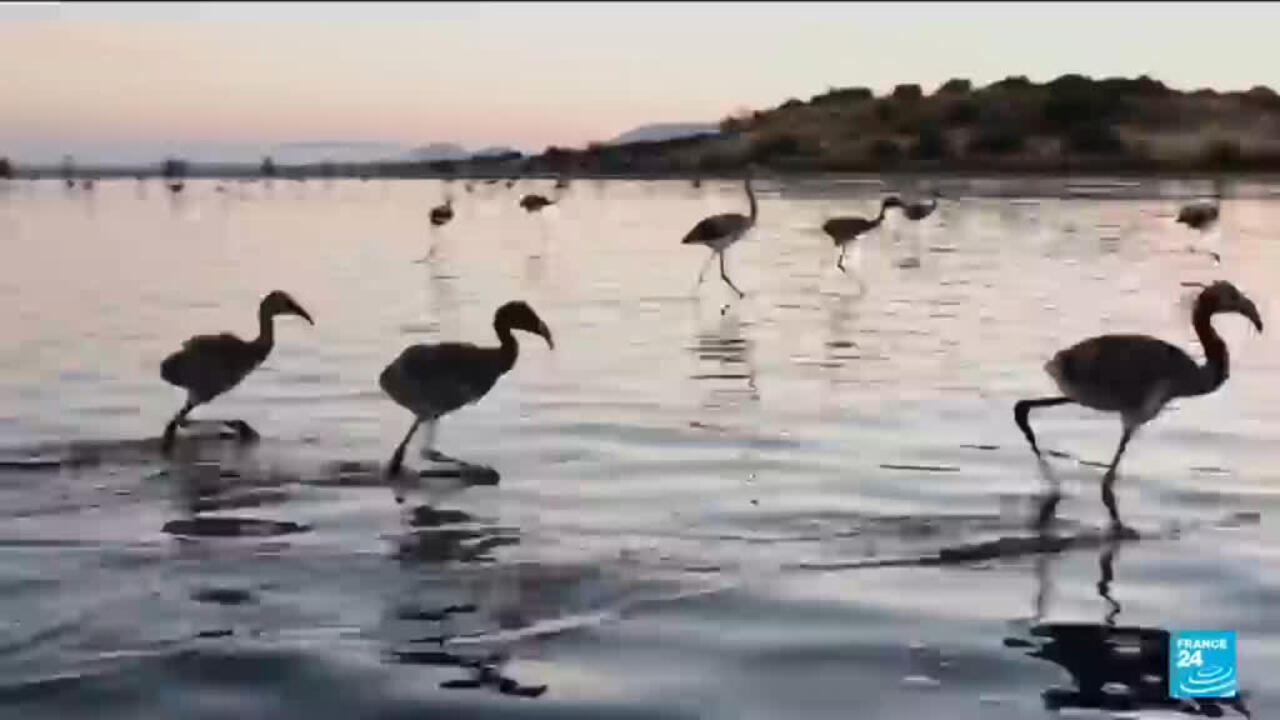
Environmental authorities and hundreds of volunteers convened at Spain’s Fuente de Piedra lake on Saturday for the annual flamingo-ringing initiative. The coordinated effort focused on tagging 600 chicks this year, a data collection exercise designed to track the movements of the birds across nature reserves in Europe and North Africa.
The operation at Fuente de Piedra represents a significant component of regional conservation monitoring. By attaching identification rings to the chicks, authorities aim to gather longitudinal data on migration routes and habitat usage. This information is critical for understanding how the species interacts with protected areas across international borders.
The site has been a designated nature reserve since 1984, providing a stable environment for the species to breed. Since the lake’s establishment as a protected area, more than 200,000 flamingo chicks have hatched at the location. The annual ringing event is a key part of the ongoing management strategy for this long-established reserve.
The participation of hundreds of volunteers underscores the collaborative nature of the conservation work. These individuals assist environmental authorities in the physical handling and tagging of the birds, ensuring that the data collection process is both comprehensive and scientifically rigorous. The focus remains on institutional oversight and the systematic tracking of wildlife populations.
This year’s count of 600 ringed chicks adds to the historical dataset maintained by the reserve. The continuity of the program since the lake’s designation in 1984 highlights the sustained commitment to monitoring the flamingo population. The data gathered will contribute to broader efforts to manage and protect these birds across their migratory range.