English football authorities back trial to curb goalkeeper tactical timeouts
Pending Ifab approval, the rule aims to remove the incentive for teams to use injury stoppages for tactical breaks, with a potential debut in the Carabao Cup on 1 August.
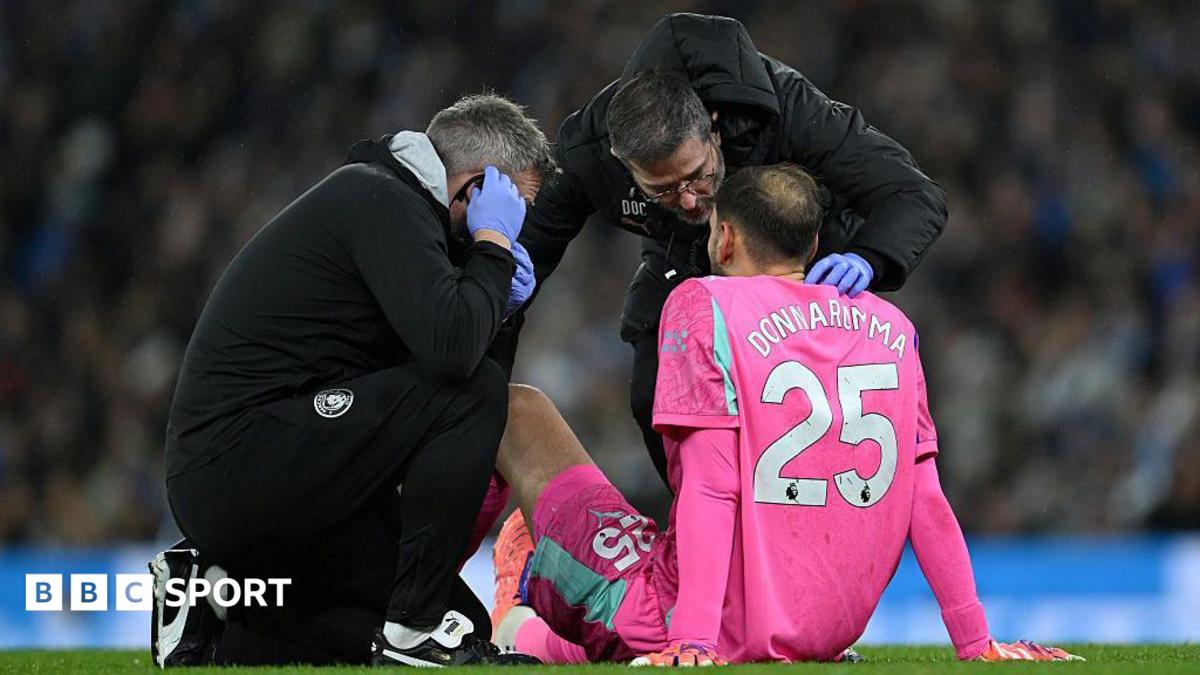
English football authorities, including the Football Association, Premier League, English Football League, National League, and Women's Super League, have reached a consensus to implement a trial aimed at eradicating the use of goalkeeper tactical timeouts. The proposed measure is subject to final approval from the International Football Association Board (Ifab) and represents a coordinated effort to address a governance issue that has increasingly disrupted match flow.
Under the trial protocol, if a referee signals for a physio to attend to a goalkeeper, the team’s coaching staff will have a 10-second window to nominate an outfield player to leave the pitch. That player must remain off the field for one minute. If no nomination is made within the allotted time, the team captain is required to leave the field instead. This mechanism is designed to act as a proactive deterrent, ensuring that teams cannot exploit injury stoppages to gain tactical advantages or disrupt opposition momentum.
The initiative follows a period of growing controversy surrounding the tactic, where goalkeepers have been accused of feigning injury to facilitate team talks or break up attacking sequences. In November, Leeds United manager Daniel Farke publicly accused Manchester City goalkeeper Gianluigi Donnarumma of bending the rules by simulating injury to halt play. The issue was identified as a priority by Ifab head of referees Pierluigi Collina during the February Annual General Meeting, leading to discussions led by Pro Ref and chief refereeing officer Howard Webb to determine an effective regulatory response.
If Ifab grants clearance in time, the trial is scheduled to commence in the Carabao Cup preliminary round tie between Tranmere and Rochdale on 1 August. The rule includes specific exemptions where an outfield player would not be required to leave the pitch, such as when the goalkeeper declines treatment, there is a collision between the goalkeeper and an outfield player, a foul requires immediate treatment, or a serious injury or concussion necessitates a substitution.
The English approach mirrors the logic applied to outfield players, who must leave the field if treated, and contrasts with a variation being trialled in the Australian A-League, where the captain must always leave if a physio attends to the goalkeeper. While three-minute hydration breaks provide natural opportunities for team talks, English authorities determined that restricting access to the technical area alone would not sufficiently deter the use of goalkeeper injuries for tactical breaks.
Match of the Day pundit Danny Murphy previously advocated for this specific solution, arguing that requiring an outfield player to leave would create a fair balance. Officials do not intend to prevent players from visiting the touchline during treatment, but the prospect of playing with 10 players for a minute is expected to serve as a significant disincentive, particularly in the final minutes of matches when teams seek to kill momentum.
The results of the trial will be assessed by Ifab throughout the season. If the measure proves effective, it could lead to permanent global law changes starting from the 2027-28 season. This marks a significant shift in regulatory strategy, moving from reactive officiating to structural deterrents to maintain the integrity of the game.