Engadget review: Motorola Moto Watch (2026) offers poor value despite stylish design
A critical assessment by Engadget reveals that the $150 Motorola Moto Watch (2026) suffers from significant software restrictions, unreliable GPS, and build quality issues, with the device believed to be manufactured by a third-party licensee.
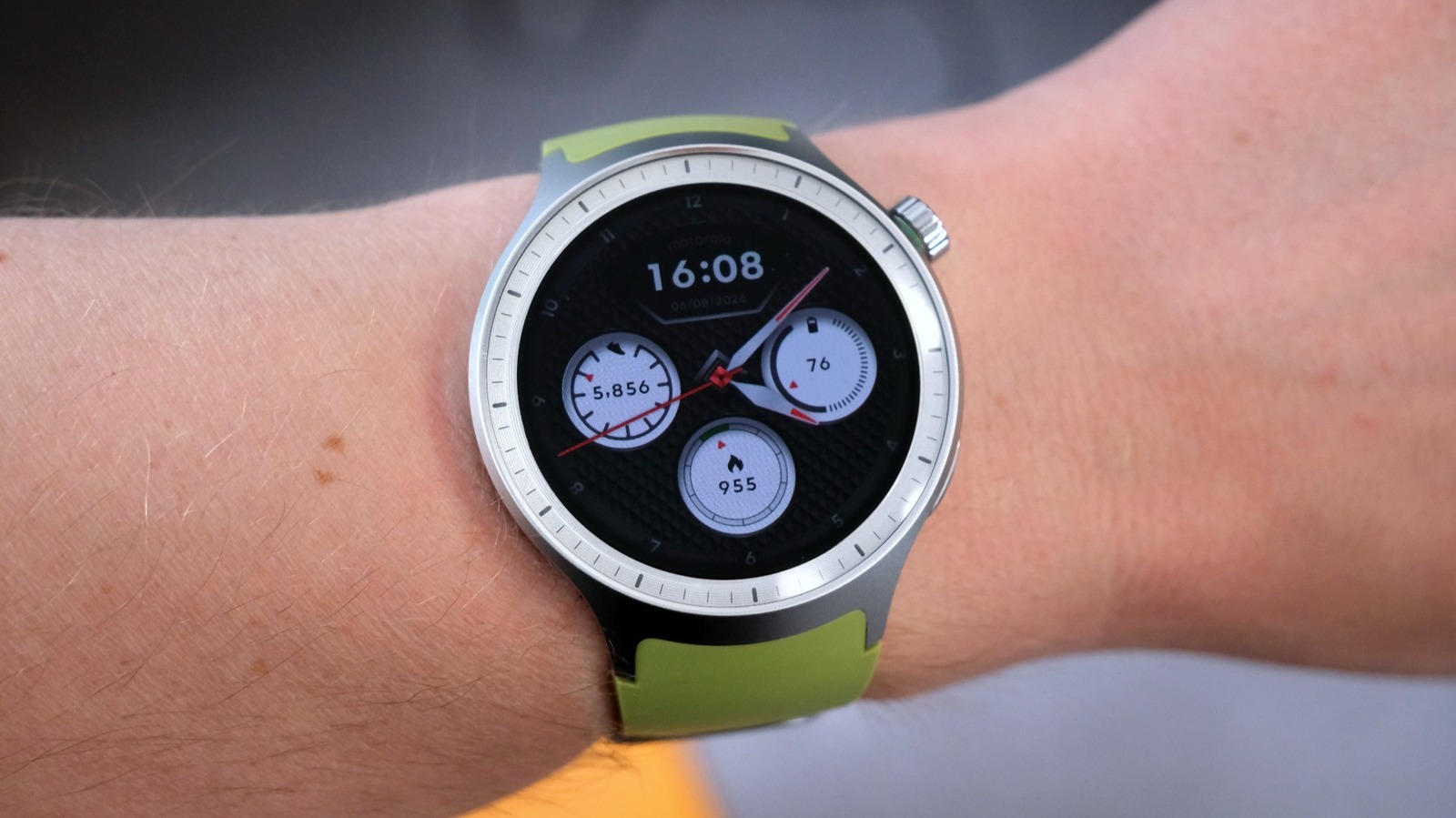
Engadget has published a review of the Motorola Moto Watch (2026), concluding that the device offers poor value despite its stylish appearance and affordable $150 price point. The review highlights significant functional limitations, including the use of a Real Time OS (RTOS) instead of Google's Wear OS, which results in a lack of third-party apps, mobile payments, and automatic activity detection.
The device is believed to be manufactured by a third-party licensee, such as CE Brands or Vitalist, rather than Motorola directly. While the retail box lists Motorola Mobility as the manufacturer, the company’s representatives stated they could not provide details on the system-on-chip or the specific manufacturer of the watch. This licensing arrangement mirrors previous Motorola wearable releases, where the brand was licensed to white-label manufacturers.
Hardware specifications include a 47mm aluminium case, a 1.43-inch round OLED display with Gorilla Glass 3, and 4GB of eMMC storage. The watch features Bluetooth 5.3+ LE, a built-in speaker and microphone, and dual-band GPS. However, users reported a stuttering user interface, difficult setup processes, and build quality concerns, such as retaining pins on the steel link band sliding out during strap changes.
Health and fitness features are powered by a partnership with Polar, evident from Polar branding on the packaging and app, though not on the watch itself. The watch lacks automatic activity detection, requiring users to manually start workout recordings. GPS performance was described as inconsistent, with signal loss occurring in areas where connectivity was previously reliable.
Battery life tests showed the device lasting eight days with the always-on display active, exceeding the advertised one-week estimate. Despite this, the review notes that the overall user experience was marred by the software limitations and hardware quirks, leading to a conclusion that the device feels more like a fake Wear OS watch than a genuine competitor in the smart wearable market.