Engadget guide clarifies hybrid battery failure protocols for drivers
New guidance from Engadget outlines the operational differences between hybrid power systems, warning owners against misdiagnosing traction battery faults as total pack failure.
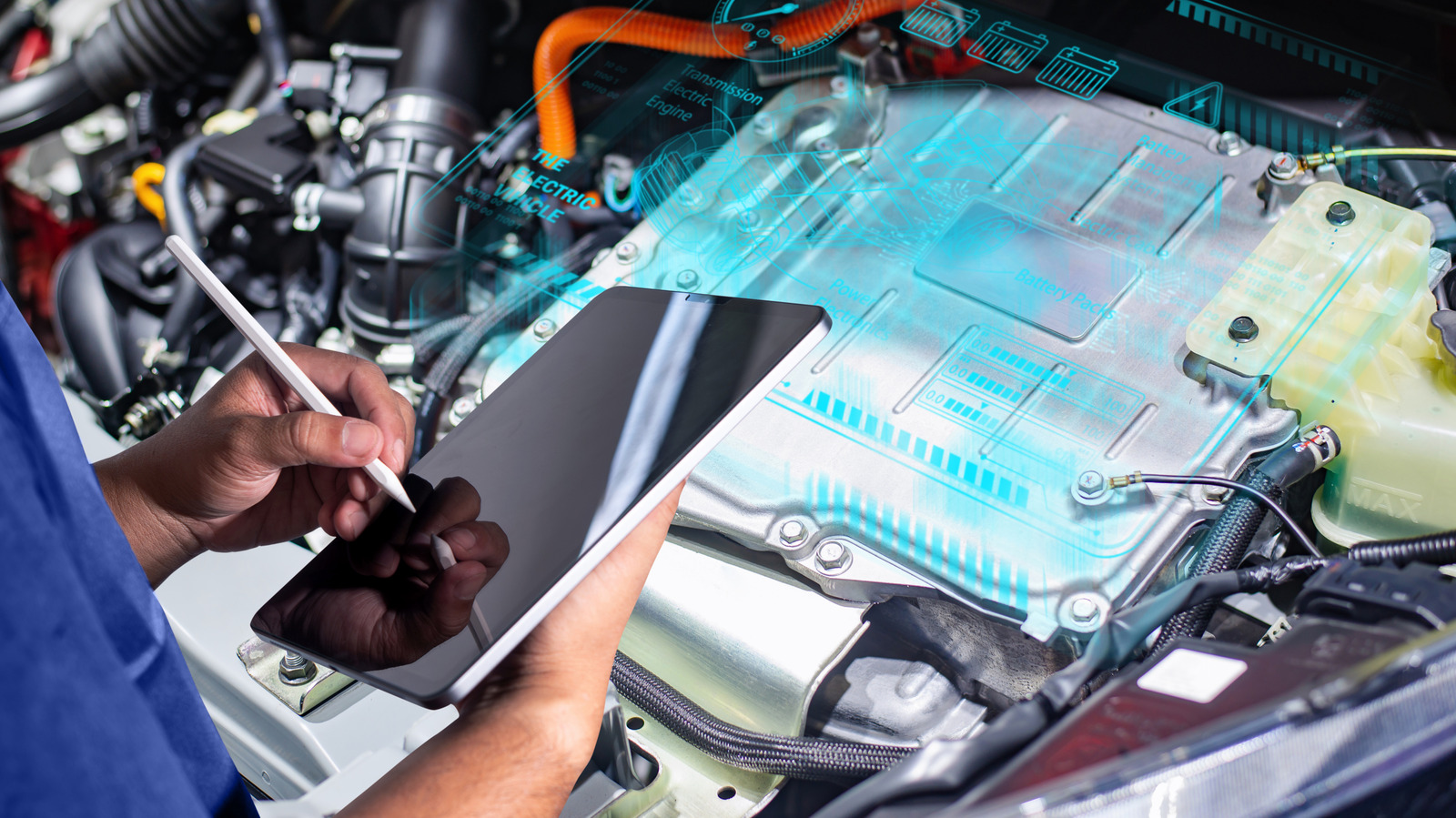
Hybrid vehicles operate using two distinct power sources: a low-voltage 12-volt auxiliary battery and a high-voltage traction battery pack. According to a recent analysis by Engadget, understanding the specific function of each component is essential for diagnosing failures, as a dead auxiliary unit can render a vehicle inoperable even if the main traction pack remains fully functional.
The 12-volt battery is responsible for waking the vehicle’s computer systems and powering conventional accessories. If this unit fails, the car typically cannot enter the READY state, effectively locking the driver out. Symptoms such as dim lights, unresponsive door locks, or a dark dashboard often point to this smaller battery. Manufacturers including Toyota and Honda specify that these vehicles can be jump-started, but only at designated terminals for the 12-volt system. Attempting to jump-start the high-voltage traction battery is unsafe and ineffective.
In contrast, issues with the traction battery, which stores energy for the electric motor, present more complex symptoms. These may include warning lights such as Check Hybrid System or Power System, reduced acceleration, increased fuel consumption, or a complete loss of electric assistance. Engadget notes that these indicators do not necessarily signify total pack failure; faults can stem from overheating or blocked cooling vents, which may be resolved through simple maintenance rather than expensive replacement.
The distinction between a conventional hybrid and a plug-in hybrid is also critical. A plug-in hybrid displaying zero electric range has likely simply depleted its EV-only battery and switched to hybrid operation, rather than suffering a mechanical failure. Plugging in such a vehicle restores its electric range but does not repair damaged cells or clear system faults. Furthermore, the gasoline engine in a hybrid is not a spare drivetrain; the electrical system often assists in starting the engine or providing initial propulsion, meaning a high-voltage fault can disable the entire drivetrain.
Drivers are advised to heed dashboard instructions immediately. If a message requests a safe stop, the vehicle should be pulled over and switched off, with roadside assistance called. If service is requested but the car remains drivable, owners should consult their manual for specific towing instructions rather than continuing with long trips. Engadget stresses that high-voltage components should never be touched by untrained individuals. A professional diagnosis is required to read trouble codes and determine if the issue is a blockage, a sensor fault, or a need for battery replacement. Warranty coverage varies significantly by manufacturer, model year, and location, with some brands like Toyota offering ten-year or 150,000-mile coverage for traction batteries in newer models.