Engadget analysis: Why premium earbuds offer diminishing returns for most consumers
A comprehensive review of the 2026 earbud market suggests that while high-end devices excel in specific niches, budget options provide the best value for the average listener.
An analysis published by Engadget in August 2026 examines the current landscape of the earbud market, identifying a clear divergence between high-end true wireless stereo (TWS) models and in-ear monitors (IEMs) designed for professional or audiophile use. The report argues that while premium TWS earbuds prioritise smart features such as active noise cancellation (ANC) and spatial audio, their sound quality is often tuned for recreational listening rather than pure fidelity.
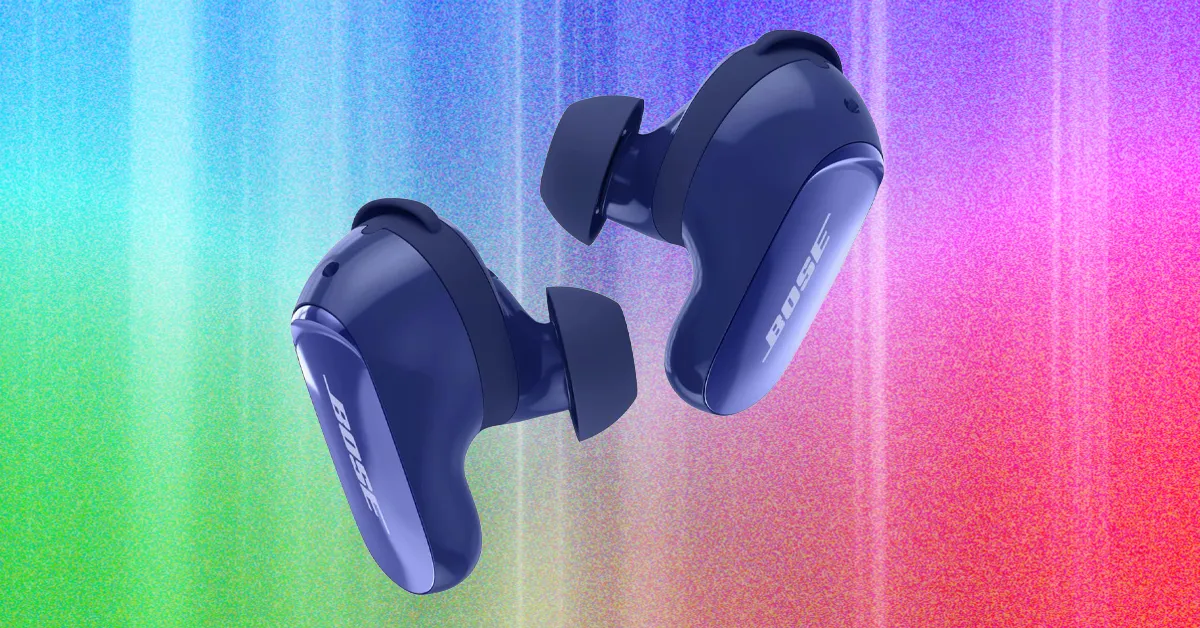
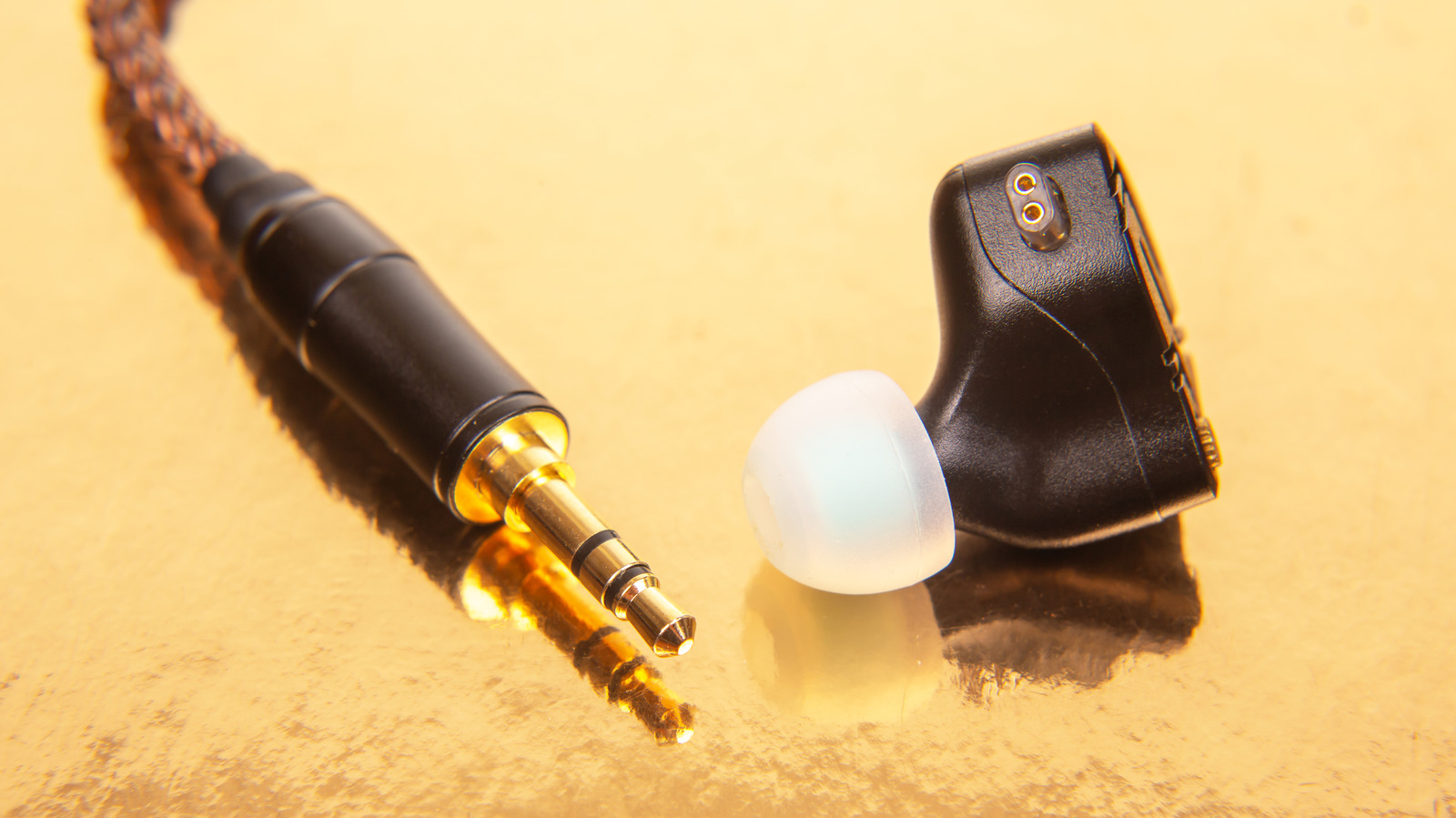
The article distinguishes between the two primary categories of expensive audio gear. On one side are wired IEMs, which utilise high-end components and acoustic tuning to deliver transparent, analytical sound for musicians, audio engineers, and audiophiles. These devices rely on superior passive noise cancellation through deep ear canal seals but lack the adaptive technology found in wireless counterparts. On the other side are high-end TWS models, such as the Sony WF-1000XM6 and Bose QuietComfort Ultra (2nd Gen), which are marketed as high-tech lifestyle accessories.
While these premium wireless models are contenders for best-in-class ANC performance, the Engadget piece notes that their sound profiles are optimised for blocking out environments like trains or coffee shops rather than offering critical listening experiences. The report suggests that for most listeners, the adaptive functionality of these wireless models is more valuable than the marginal gains in sound quality over cheaper alternatives.
For consumers not seeking audiophile-grade precision, the analysis points to significant diminishing returns as prices rise. The article highlights that budget options deliver substantial value, with the Anker Soundcore Space A40 recommended as a top budget pick for approximately $55, offering serviceable ANC and adjustable equalisation. Even more affordable options, such as the JVC Gumy under $10, provide sound quality that far exceeds the poor standards of mid-2000s era devices.
Ultimately, the report concludes that the vast majority of people will find the best value by adhering to a strict budget. While the high-end market continues to flourish with devices costing into the mid-four figures, the average consumer is unlikely to notice significant differences in sound quality that justify the premium, making mid-range and budget models the more rational financial choice.