Engadget analysis highlights ethical concerns in music streaming as artists question Spotify model
A recent Engadget report outlines ethical controversies surrounding the industry leader, while detailing alternative platforms offering different payout structures and transparency measures for musicians.
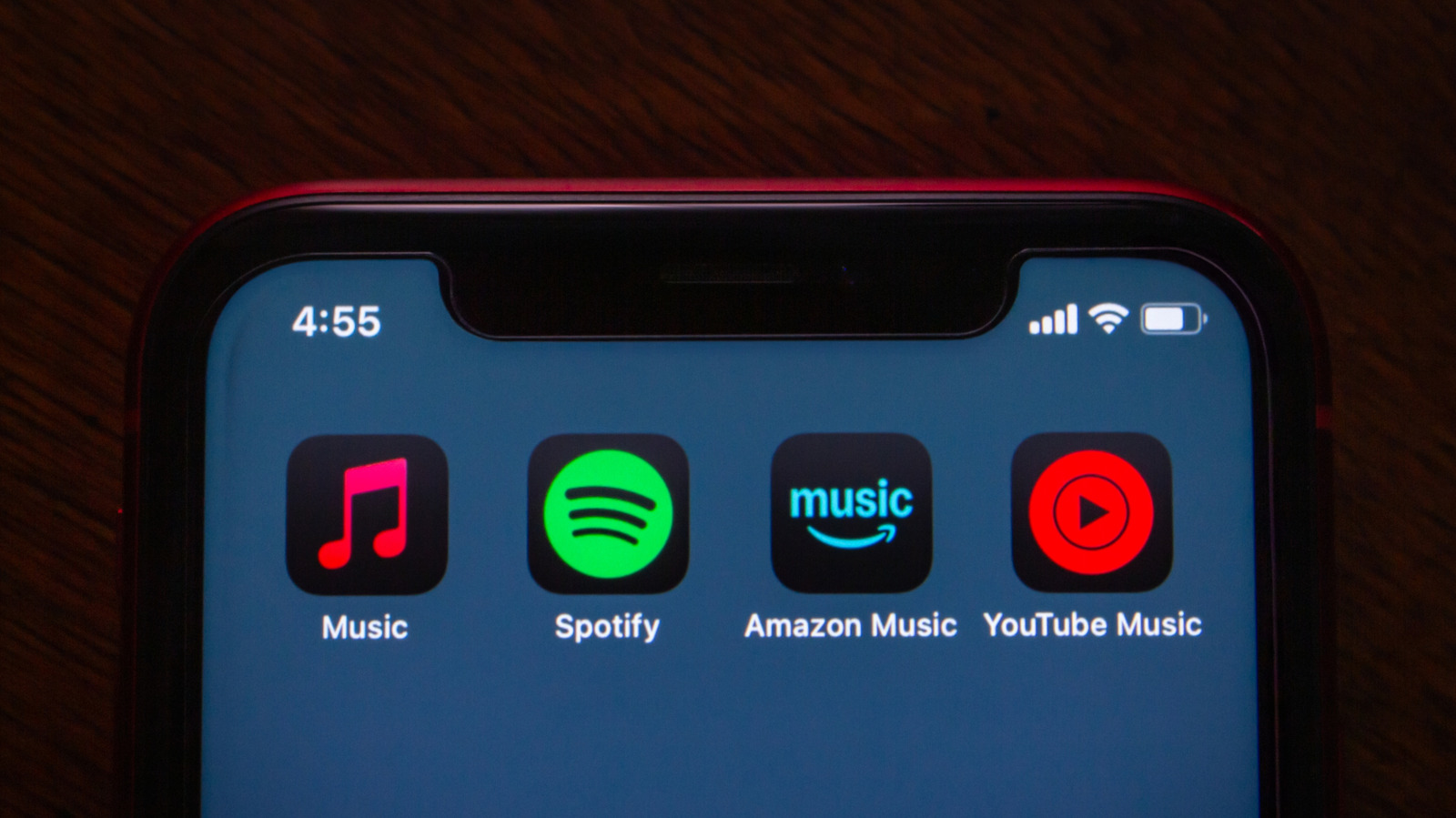
An Engadget article published on 13 August 2026 examines the ethical implications of music streaming, focusing on controversies surrounding Spotify and suggesting alternative platforms for listeners concerned about artist compensation. The piece highlights issues including founder Daniel Ek’s $694 million investment in defence technology start-up Helsing, the proliferation of AI-generated music, and the complexities of royalty distribution in the current market.
Spotify remains the dominant player with 293 million paid subscribers and 761 million monthly active users. Despite the backlash from some artists removing their catalogs following Ek’s defence investments, the company reported continued growth in revenue, profit, and user numbers in the last quarter. The article notes that Spotify is introducing "AI Personas" to label AI-generated musicians, relying on self-reporting for most accounts while using human and AI checks for popular ones.
The report details the standard industry payout model, where services retain roughly a third of revenue and distribute the remainder based on a "streamshare" calculation. This means subscription fees are pooled and distributed across all artists on the platform, rather than going directly to those a user listens to. The Engadget piece suggests that while major tech giants like Apple Music and YouTube Music offer similar ethical caveats, they provide distinct features such as Dolby Atmos playback and integration with broader content libraries.
For listeners seeking alternatives, the article outlines several services with different approaches to artist payments. Deezer employs an "artist-centric" model that multiplies payout rates for artists with high human engagement, such as manual searches, and de-monetises 85 percent of identified AI-generated music. Qobuz reported an average royalty payout of US$0.01873 per stream for fiscal year 2024, while new entrant Coda Music paid an average of $0.014 per stream in April 2026 and allows users to designate a specific artist to receive $1 from their monthly subscription.
The analysis also covers Vocana, a beta service launching at $9 per month with a 100 percent independent catalog that allocates fees directly based on listening time. Tidal, previously known for direct artist payouts, discontinued that programme in 2023 after being acquired by Block Inc. The Engadget article concludes by recommending direct purchases via Bandcamp or Qobuz as the most effective way to ensure financial support for musicians.