Eleven killed in Pakistan-administered Kashmir as protests over seat reservations escalate
The Joint Awami Action Committee has mobilised crowds against a rule reserving seats for refugees from India-administered Kashmir, while the government insists any alteration requires constitutional reform.
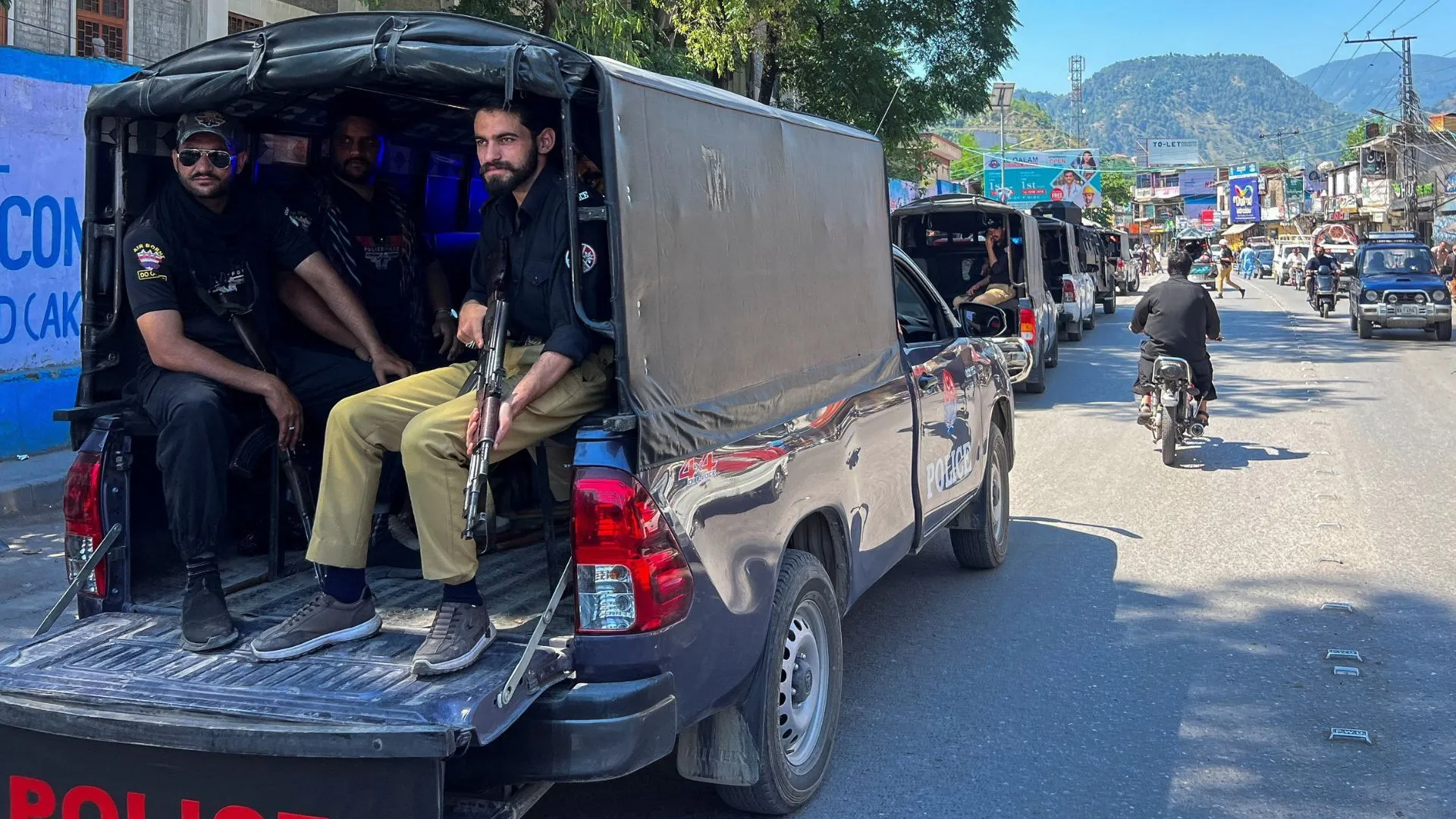
Clashes between protesters and police in Pakistan-administered Kashmir have resulted in at least 11 deaths, marking a violent escalation in a long-standing political dispute over legislative representation. The unrest has drawn international attention, with Al Jazeera’s Inside Story hosting a panel to discuss the potential political fallout and the stability of the region.
The demonstrations are organised by the Joint Awami Action Committee, which is opposing a specific rule that reserves legislative seats for refugees from India-administered Kashmir who currently reside in Pakistan. Demonstrators argue that this arrangement grants these groups disproportionate political influence within the divided territory, altering the local power balance in ways they find unacceptable.
The issue has been a subject of political debate in Pakistan-administered Kashmir for some time, but the recent violence indicates a sharp deterioration in civil order. The protests have targeted the existing framework for seat allocation, with organisers accusing the current system of skewing democratic representation in favour of displaced populations rather than local residents.
In response to the unrest, the government has maintained a firm stance, stating that any changes to the current legislative arrangement require constitutional reform. This position suggests that the administration views the seat reservation policy as a matter of fundamental legal structure rather than a simple administrative adjustment, complicating efforts to quickly de-escalate the situation through minor policy tweaks.
The severity of the incident has prompted analysis from various political and academic figures. Guests invited to discuss the unrest on Al Jazeera’s Inside Story include Maria Iqbal Tarana, a senior leader of the Pakistan Muslim League-Nawaz, Sahar Khan, a nonresident fellow at the Institute for Global Affairs, and Imtiaz Gul, executive director at the Center for Research and Security Studies. Their involvement highlights the broader implications of the violence for regional governance and political stability.
As investigations continue, the final casualty toll may be subject to change. The incident underscores the fragility of the political settlement in the region and raises questions about how the government will manage rising tensions without triggering further constitutional crises or widespread civil disorder.
The debate over these legislative seats remains a flashpoint in the broader context of the Kashmir dispute. While the immediate focus is on the violence and the government’s refusal to alter the status quo without constitutional amendment, the underlying grievances regarding representation and influence are likely to persist, posing a continued challenge to authorities in Pakistan-administered Kashmir.