Eleven killed in Kashmir unrest over reserved legislative seats
Authorities deployed paramilitary troops and imposed travel restrictions as the banned Jammu Kashmir Joint Awami Action Committee proceeded with demonstrations despite a Supreme Court ruling upholding the status quo.
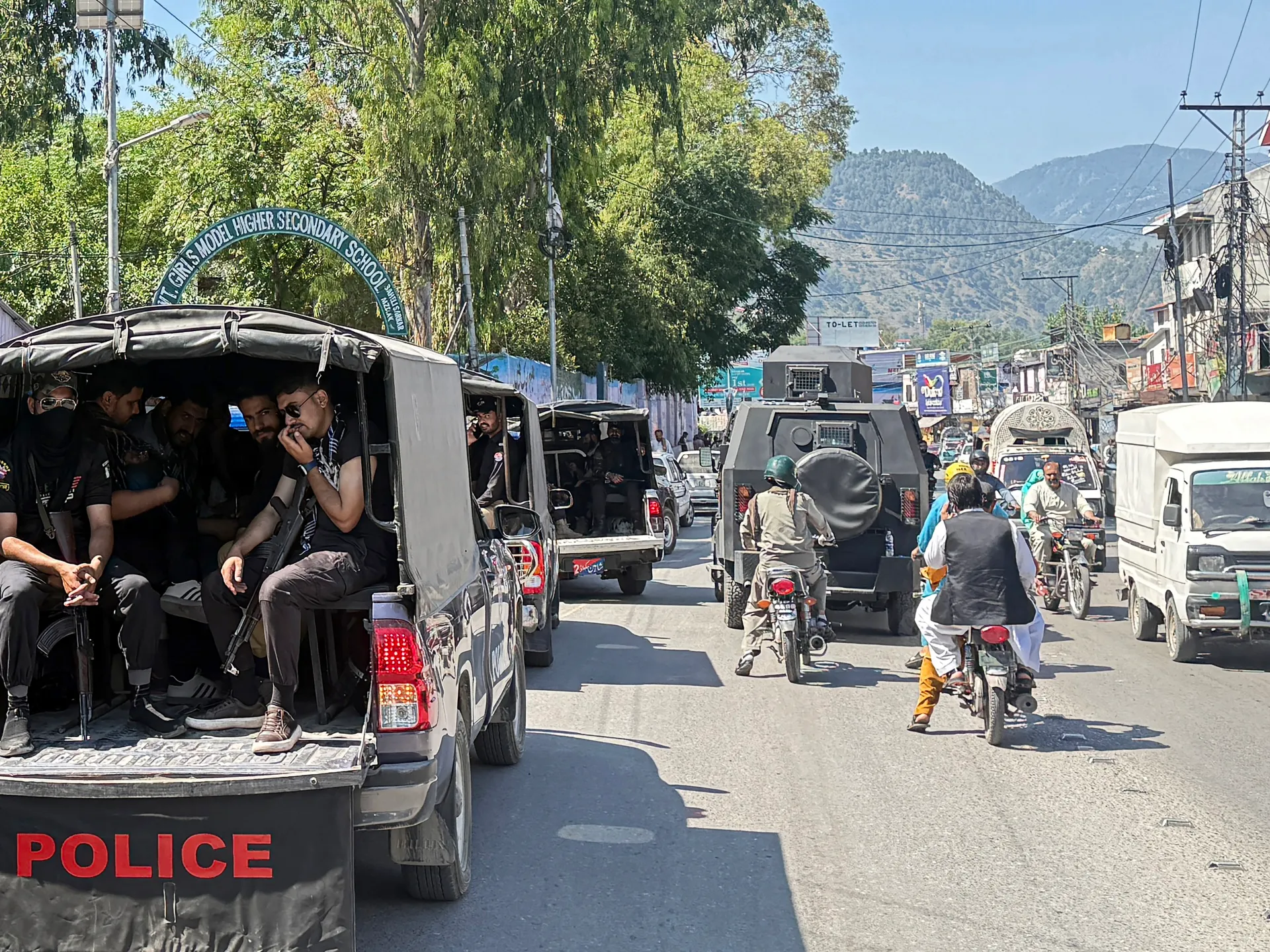
At least 11 people were killed and more than 70 injured during violent clashes between police and protesters in Rawalakot, the capital of the Poonch district in Pakistan-administered Kashmir. The unrest, orchestrated by the Jammu Kashmir Joint Awami Action Committee (JAAC), has escalated into a significant governance crisis, drawing federal paramilitary troops and prompting strict travel advisories from local authorities.
The protests are centred on opposition to 12 legislative seats reserved in the regional assembly for refugees from Indian-administered Kashmir who reside in other parts of Pakistan. The JAAC, a grassroots umbrella organisation representing traders and civil society groups, is demanding the abolition of these seats, arguing that all 45 positions in the legislature should be allocated to residents of Pakistan-administered Kashmir. The group was recently proscribed under the Anti-Terrorism Act of 2014, with authorities alleging it was engaged in activities prejudicial to state security.
Sardar Waheed Khan, commissioner of the Pakistan side of the Poonch district, stated that four police officers and a passer-by were killed after being shot at by "miscreants", while six protesters died in the violence. Police Chief Liaqat Malik reported that 23 security officials and 50 protesters were injured. Khan rejected descriptions of the event as a massacre, asserting that state action was necessary to restore law and order, while JAAC leadership accused authorities of unleashing violence against the populace.
The situation was further complicated by a recent ruling from the Supreme Court of Azad Jammu and Kashmir, which declared the 12 reserved seats constitutionally protected. This decision effectively closed the legal route for challenging the arrangement and intensified calls for protest following the failure of marathon talks between federal ministers and JAAC leadership in late May. Abdul Jabbar Nasir, a journalist and expert, warned that abolishing the seats could weaken Pakistan’s diplomatic case for Kashmiri statehood at the United Nations, drawing parallels to how India maintains vacant seats to assert claims over the entire region.
Bilawal Bhutto-Zardari, chairman of the Pakistan Peoples’ Party, indicated that 35 of the JAAC’s 38 demands have been implemented, with remaining requests deemed unfeasible or barred by court orders. Experts describe the crisis as part of a broader, long-running debate about governance, political representation, and regional autonomy in the semi-autonomous territory. Internet access remains severely restricted for a third consecutive day as the region prepares for legislative elections on July 27.