Eisenberg’s 2026 Fantasy football blueprint: A strategic pivot to late-round value
CBS Sports analyst Jamey Eisenberg has released a comprehensive draft strategy for the 2026 season, arguing that late first-round picks offer superior access to elite running backs and receivers compared to top selections.
CBS Sports analyst Jamey Eisenberg has published a detailed round-by-round strategy guide for the 2026 Fantasy football draft, providing specific player recommendations for every draft slot from one through twelve. The blueprint is tailored for PPR and half-PPR leagues, utilising a standard starting lineup of one quarterback, two running backs, two wide receivers, one tight end, and a flex spot. Eisenberg emphasises the importance of flexibility, noting that while managers should enter the draft with a plan, the ability to adapt to sniped players is critical for roster success.
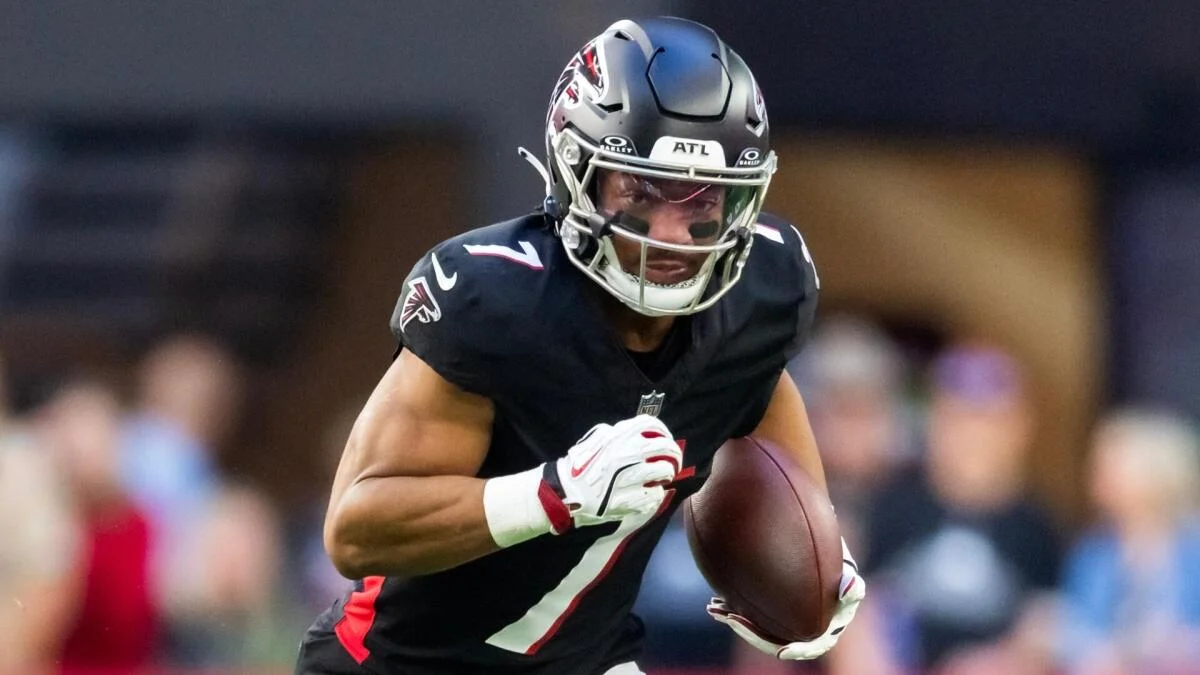
For the No. 1 and No. 2 picks, Eisenberg recommends selecting Jahmyr Gibbs or Bijan Robinson, respectively. He projects Gibbs to be dominant in Detroit following the departure of David Montgomery, while Robinson is expected to build on his 2025 performance in Atlanta with Tyler Allgeier gone. However, the guide suggests that drafting from positions 10 to 12 is particularly advantageous this year. Eisenberg argues that these late slots guarantee managers access to two top-10 running backs or a combination of a top-10 running back and an elite receiver, such as CeeDee Lamb or Justin Jefferson.
The strategy guide advises against drafting a second quarterback early in the process for most rosters. Instead, Eisenberg suggests waiting until later rounds or focusing on other positions to build depth. He identifies several late-round "lottery ticket" running backs as high-value targets, including MarShawn Lloyd, Jonah Coleman, Keaton Mitchell, Tank Bigsby, Ray Davis, Emmett Johnson, and Kaelon Black. These players are recommended as fliers to secure backfield depth without sacrificing early-round talent.
For managers selecting in the middle of the first round, specifically from No. 3 to No. 6, Eisenberg anticipates a run of four elite wide receivers, including Ja'Marr Chase, Puka Nacua, Amon-Ra St. Brown, and Jaxon Smith-Njigba. He cautions against reaching for a running back ahead of this receiver quartet, suggesting that a WR-WR or WR-TE start is a viable and strong foundation. The guide notes that while a top-12 running back might be available in Round 2, it is not a guarantee, making the receiver-heavy approach a safer strategic bet.
In the No. 7 to No. 9 range, the focus shifts exclusively to running backs, with Jonathan Taylor, James Cook, Chase Brown, and Christian McCaffrey as the primary options. Eisenberg notes that he is lower on McCaffrey than other analysts but expects him to be drafted in this range. He advises against selecting a wide receiver in this slot, preferring to secure a second running back or a high-end wide receiver in Round 2 to balance the roster.
The guide concludes by reinforcing the value of late first-round picks, where managers can secure players like De'Von Achane or Chase Brown. Eisenberg highlights that these selections allow for a balanced start with elite talent at multiple positions, providing a strong foundation for the remainder of the draft. He stresses that while the specific player names may shift based on pre-draft movements, the positional value and strategic framework remain consistent for the 2026 season.