Eid al-Adha marks Hajj culmination amid Middle East tensions and US-Cuba sanctions
Over 1.7 million pilgrims complete rites in Saudi Arabia as displaced families in Gaza mark the festival under humanitarian constraints, while geopolitical friction between the United States, Israel, and Iran intensifies.
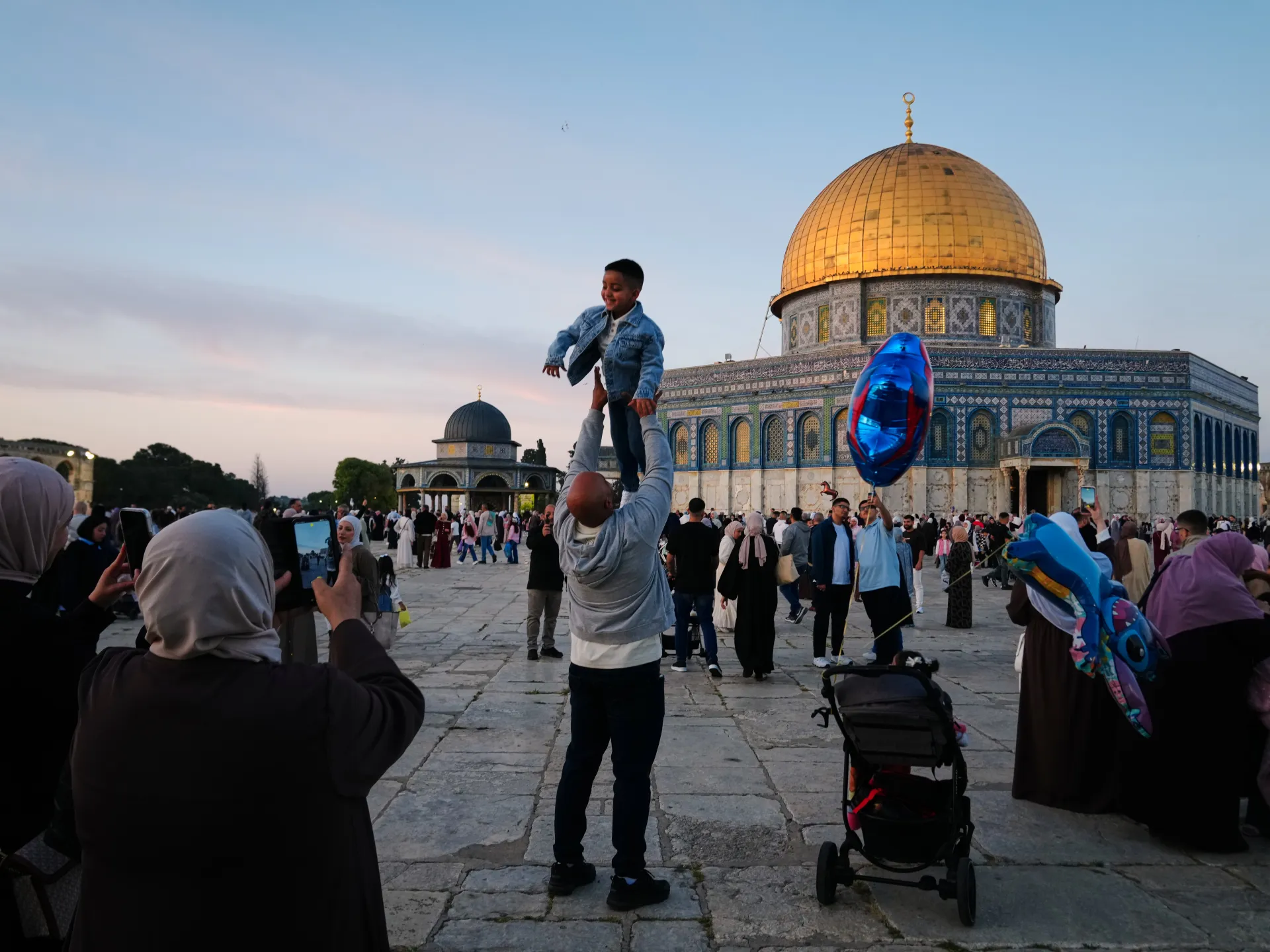
Muslims worldwide have commenced celebrations for Eid al-Adha, the Festival of Sacrifice, coinciding with the final day of the annual Hajj pilgrimage in Saudi Arabia. The observance, falling on the 10th day of Dhul Hijjah, the twelfth and final month of the Muslim lunar calendar, is one of the most significant events in the Islamic faith. This year’s pilgrimage saw participation from more than 1.7 million people, a figure noted as slightly higher than in 2025, as pilgrims performed rituals across Mecca, Mina, and Mount Arafat.
The Hajj rites involved a sequence of religious obligations, beginning with prayers on Mount Arafat, where Prophet Muhammad is believed to have delivered his final sermon. Pilgrims then spent the night in the open at Muzdalifah, located halfway between Arafat and Mina, where they collected pebbles for the symbolic stoning of the devil. Following the stoning ceremony in Mina, participants returned to Mecca for a final circumambulation of the Kaaba, the cube-shaped structure at the heart of the Grand Mosque that serves as the focal point for Muslim prayer globally.
Eid al-Adha commemorates the Quranic narrative of Prophet Ibrahim’s willingness to sacrifice his son Ismail in obedience to God. Islamic tradition holds that God intervened, sparing the boy and replacing him with a ram. The festival is characterised by the sacrifice of an animal, typically a sheep, goat, or cow, with the meat distributed among family, neighbours, and those in need, reinforcing themes of faith, charity, and community cohesion.
In contrast to the scale of the pilgrimage, displaced families in Gaza marked the holiday in tents and crowded shelters amidst the devastation of Israel’s months-long offensive. Reports indicate that many households in the enclave had limited access to meat and festive clothing, highlighting the humanitarian constraints affecting the population. The conflict has displaced most of Gaza’s residents, altering the traditional communal nature of the celebration for those remaining in the territory.
The religious observance occurs against a backdrop of heightened regional instability involving the United States, Israel, and Iran. Concurrently, diplomatic and security tensions have escalated between Washington and Havana. The US Treasury has imposed sanctions on Cuba’s main intelligence agency and introduced additional measures, while Cuban President Miguel Diaz-Canel has warned of a potential "bloodbath" should the United States launch an attack. Havana has cited the acquisition of military drones from Russia and Iran as part of its defensive posture, underscoring the complex interplay between regional conflicts and broader international security dynamics.