Education Ban Drives Rise in Forced Marriages Across Afghanistan
Nearly five years after the Taliban banned girls’ education beyond primary school, reports indicate a surge in forced marriages. While officials cite security concerns and defer decisions to the education ministry, new legislation allows a minor’s silence to be interpreted as consent to marriage.
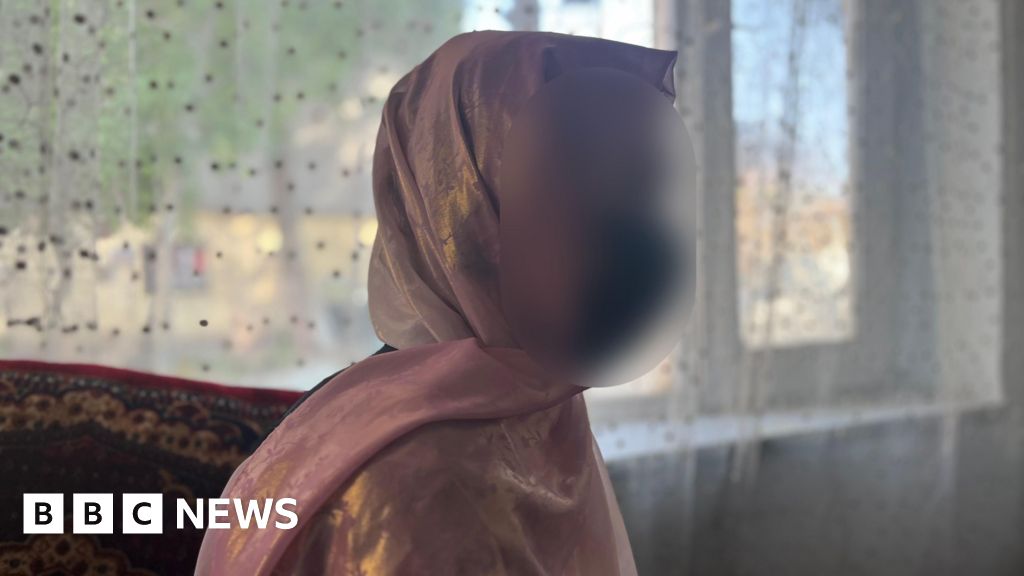
Nearly five years after the Taliban banned girls’ education beyond primary school, young women in Afghanistan face forced marriage as a primary alternative to formal schooling. The ban, implemented approximately four and a half years ago, has effectively shut off career paths for millions of girls, narrowing their options until marriage becomes the default outcome. The United Nations estimates that if the restriction persists until 2030, more than two million girls will have been deprived of education beyond the primary level in a country that already possesses one of the lowest female literacy rates globally.
Personal accounts from Kabul illustrate the pressure driving these outcomes. Alia, 19, travelled from her village in Daykundi to the capital to escape marriage, enrolling in a private English course, one of the few options available for girls past primary school alongside religious madrasas. Her family, while supportive of her education, acknowledged that marriage is now seen as the only viable path given the inability to attend university or work. Alia remains resistant to the idea, stating she will wait and resist until her last breath, though she fears restrictive families may force her hand.
Shama, 18, was married off by her mother, Kamila, who feared Taliban scrutiny if her daughter remained single. Shama, who had dreamed of becoming a doctor, is now a mother of two young girls and reports feeling trapped and stressed by media depicting working women. Her sister, Nora, 18, expresses similar fears, noting the Taliban’s shifting justifications for the ban over the past four and a half years and describing the current situation as akin to being in prison.
The Taliban government has repeatedly deferred decisions on reopening schools, with officials citing security concerns or referring questions to the Ministry of Education, which did not respond to requests for comment. Deputy spokesman Hamdullah Fitrat claimed the government has issued thousands of permits for women to run businesses and resolved cases of inheritance denial and forced marriage. However, reports suggest an increase in forced marriages due to the education ban, contradicting official assertions.
Recent legislation has been enacted that implies legal approval of child marriage, allowing a minor girl’s silence to be interpreted as consent to marriage. This legal shift, combined with the ongoing education ban, has intensified the sense of abandonment among Afghan women and girls, who feel that institutionalised discrimination has become normalized and that the international community has failed to intervene.