EDF to commence €1.4 billion decommissioning of France’s oldest nuclear plant
The two reactors, permanently closed since 2020 following safety failures, will finally begin their removal phase under the long-awaited project.
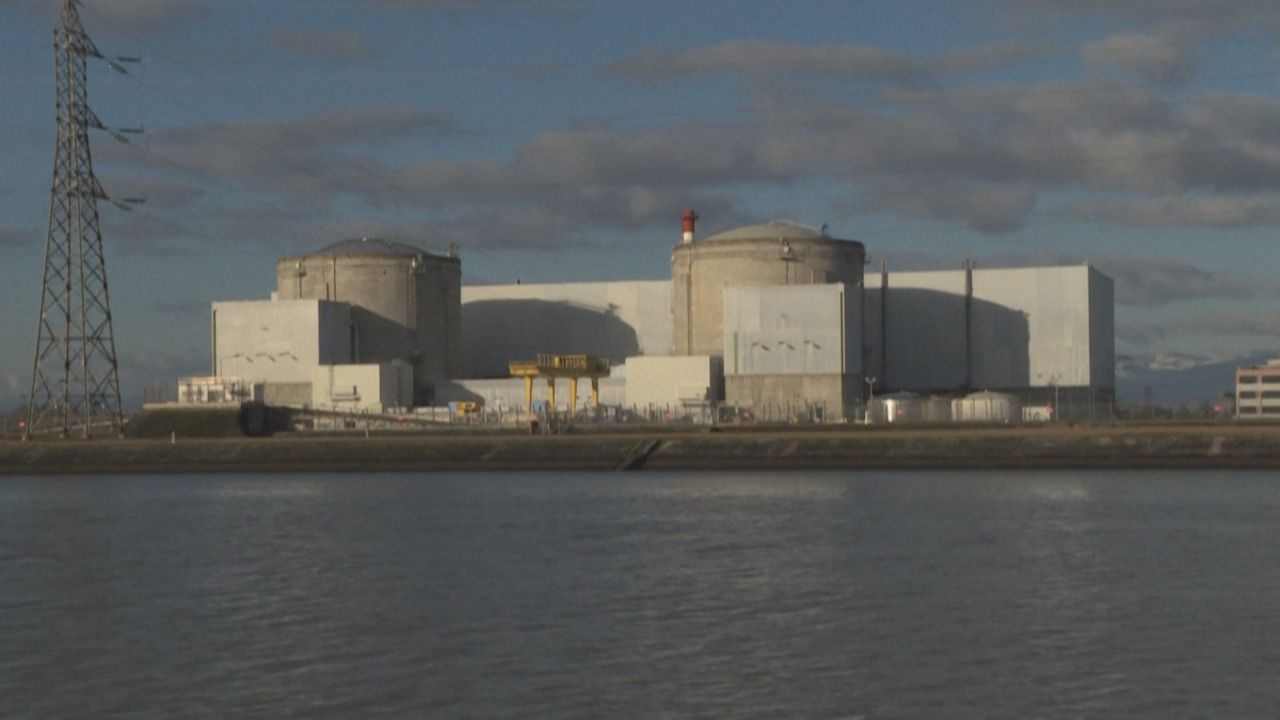
France’s state-owned utility, EDF, is preparing to initiate the dismantling of the Fessenheim nuclear power plant, marking the beginning of a protracted decommissioning process for the country’s oldest nuclear facility. The plant, situated on the border with Germany, has been permanently shut down since 2020, ending 43 years of operation that concluded after a series of safety failures.
The €1.4 billion project is expected to span 22 years, representing a significant logistical and financial undertaking for the national utility. The two reactors at Fessenheim were built in 1971 and have remained offline for several years while regulatory and administrative preparations for their removal were finalised.
The closure of Fessenheim followed a period of heightened scrutiny regarding the safety of France’s ageing nuclear fleet. The decision to permanently shut down the plant came after operational issues raised concerns among regulators and local authorities, leading to its early retirement relative to other reactors in the national grid.
EDF’s move to start dismantling works signifies a shift from operational management to waste management and site remediation. The utility must now navigate the complex technical challenges of removing radioactive materials and decontaminating the site over the next two decades.
The decommissioning timeline extends well beyond the current political cycle, requiring sustained oversight and funding. As the project moves forward, it will serve as a case study for the long-term management of nuclear infrastructure in Europe, particularly for facilities that have reached the end of their operational life.