Ecuador’s Durán: Police crackdown yields statistical gains but fails to curb systemic corruption
As President Daniel Noboa’s security strategy reduces violent crime statistics, investigations reveal that criminal organisations continue to influence judicial outcomes and recruit minors, undermining institutional integrity.
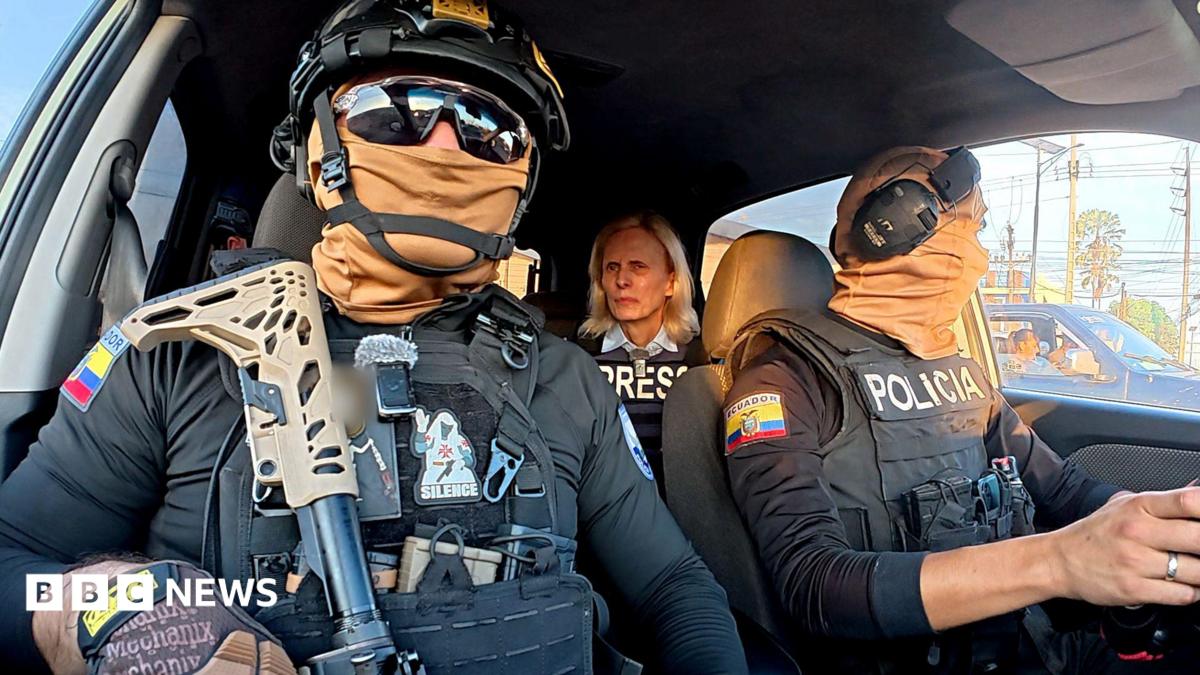
Ecuadorian security forces have reported a significant reduction in lethal violence in Durán, with the local murder rate falling by 50% in the first six months of 2026. The decline follows an intensified crackdown by President Daniel Noboa, who has deployed military and police units to dismantle drug trafficking networks. Police commanders, including Colonel Santiago Gavilanes, deputy commander of Durán police, state that the streets are safer after 19:00 local time and that the prevalence of dismembered bodies has decreased.
Despite these statistical improvements, the operational reality on the ground reveals a deeply compromised security apparatus. Captain Jean Carlos Bustamante, who led raids targeting the gang Los Aguilas, acknowledged that corrupt officers are embedded within his unit and the broader state. Bustamante confirmed that criminal groups maintain a payroll of police personnel, providing early warnings of operations and facilitating the escape of suspects. This internal corruption allows gangs to retain significant influence over the justice system, with prosecutors frequently releasing detainees despite evidence of micro-trafficking and weapons possession.
The structural weakness of the state’s response is further evidenced by the financial leverage held by criminal leaders. A gang leader identified as Jonathan admitted to paying between $1,500 and $2,000 AUD per month to four police officers for operational intelligence. This bribery network enables gangs to evade capture even as police seize weapons and arrest low-level dealers. The persistence of these payments suggests that the crackdown has not dismantled the organisational capacity of groups like Los Aguilas, but rather forced them to adapt through increased corruption and fragmentation.
Critics of President Noboa’s strategy argue that the removal of top crime bosses has caused gangs to fracture and multiply, complicating law enforcement efforts. While the state controls major arteries of cocaine export, with approximately 70% of supply to Europe and the US funnelled through Ecuador, local gangs continue to operate with impunity in neighbourhoods. The recruitment of minors remains a critical issue, with human rights organisations noting that boys as young as 12 are being integrated into criminal structures, serving as lookouts or hitmen within three years.
The disconnect between policy outcomes and institutional integrity poses a long-term governance challenge. Although the immediate threat of high-profile violence has diminished, the ability of criminal organisations to buy laws, judges, and politicians remains intact. As police operations continue to yield arrests and weapon seizures, the underlying corruption within the justice and security sectors ensures that the structural power of drug gangs persists, limiting the durability of the current security gains.