Ecological toll of conflict: Ukraine’s frontline ecosystems under strain
Aerial bombardments and drone activity along the 1,200-kilometre frontline are disrupting avian populations, prompting rescue efforts by volunteers and soldiers.
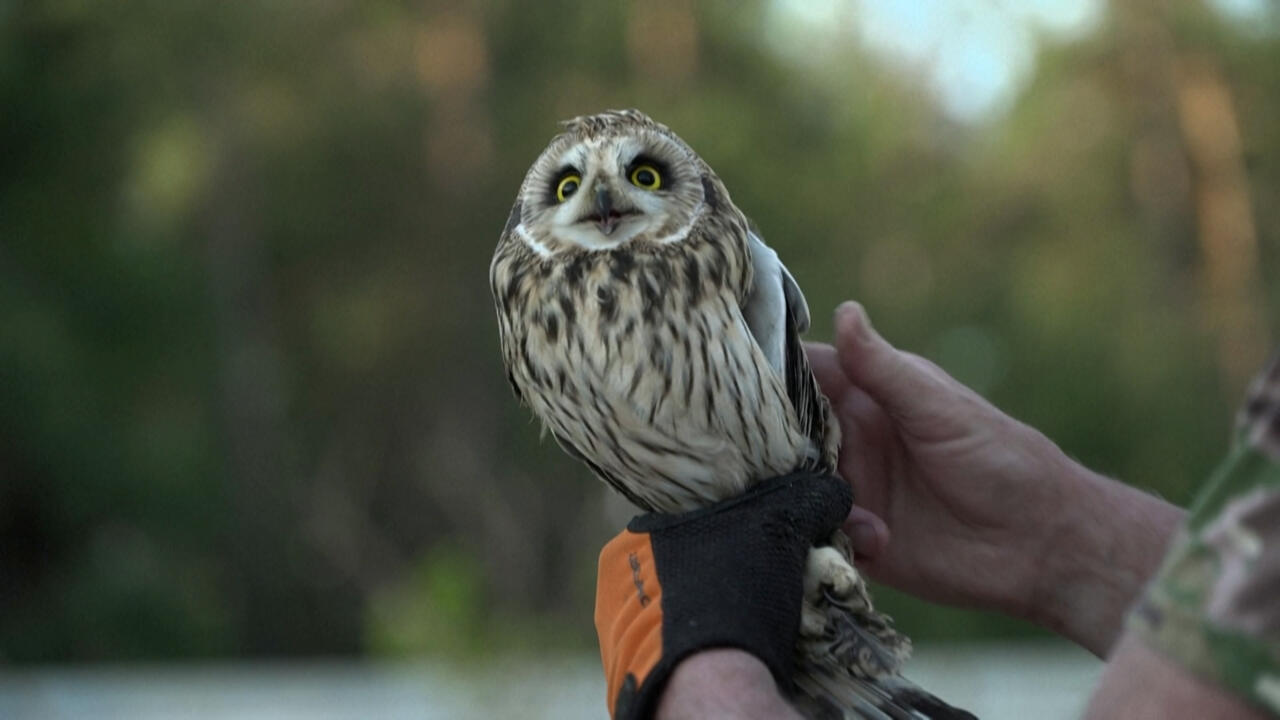
The ongoing conflict in Ukraine is inflicting significant damage on local ecosystems, with avian populations bearing the brunt of battlefield activity. According to a report by France 24 International published on 21 May 2026, the skies above the 1,200-kilometre frontline have become increasingly dominated by military drones and constant aerial bombardments. These operations have severely disrupted delicate ecological networks, including critical nesting grounds and migratory routes for local bird species.
The transformation of the airspace from a natural habitat to a zone of military engagement has forced an unexpected convergence of warfare and conservation. As traditional bird populations suffer, volunteers and soldiers are increasingly taking on the role of rescuers. These individuals are actively engaged in locating, treating, and rehabilitating injured birds, highlighting the collateral impact of modern warfare on biodiversity.
The scale of the disruption is evident along the extensive frontline, where the noise and physical presence of military hardware have wrecked the environment that birds rely on for survival. The report notes that the skies, once characterised by the presence of birds, are now crowded with unmanned aerial systems. This shift has not only displaced wildlife but has also necessitated a grassroots response from those stationed in the region.
France 24’s coverage underscores the specific impact of drone technology and bombardment campaigns on these ecological systems. The destruction of nesting sites and the alteration of migratory paths suggest a long-term consequence for the region’s biodiversity that extends beyond the immediate cessation of hostilities. The involvement of military personnel in these rescue efforts indicates a growing awareness of the environmental costs of the conflict among those on the ground.
While the report provides a qualitative assessment of the damage, it does not offer specific data on the number of birds rescued or the precise extent of the ecological degradation. Nevertheless, the narrative presented by the international broadcaster paints a clear picture of a frontline where the war’s impact is felt not only by human combatants but also by the natural world. The efforts of volunteers and soldiers to mitigate this damage represent a small but significant response to the broader environmental crisis unfolding in Ukraine.