Eclipse Tourism Drives Economic Surge Amidst Infrastructure Strain in Spain
As millions gather for mainland Europe’s first total eclipse since 2006, Spanish authorities balance a projected €347 million economic boost against severe wildfire risks and logistical bottlenecks.
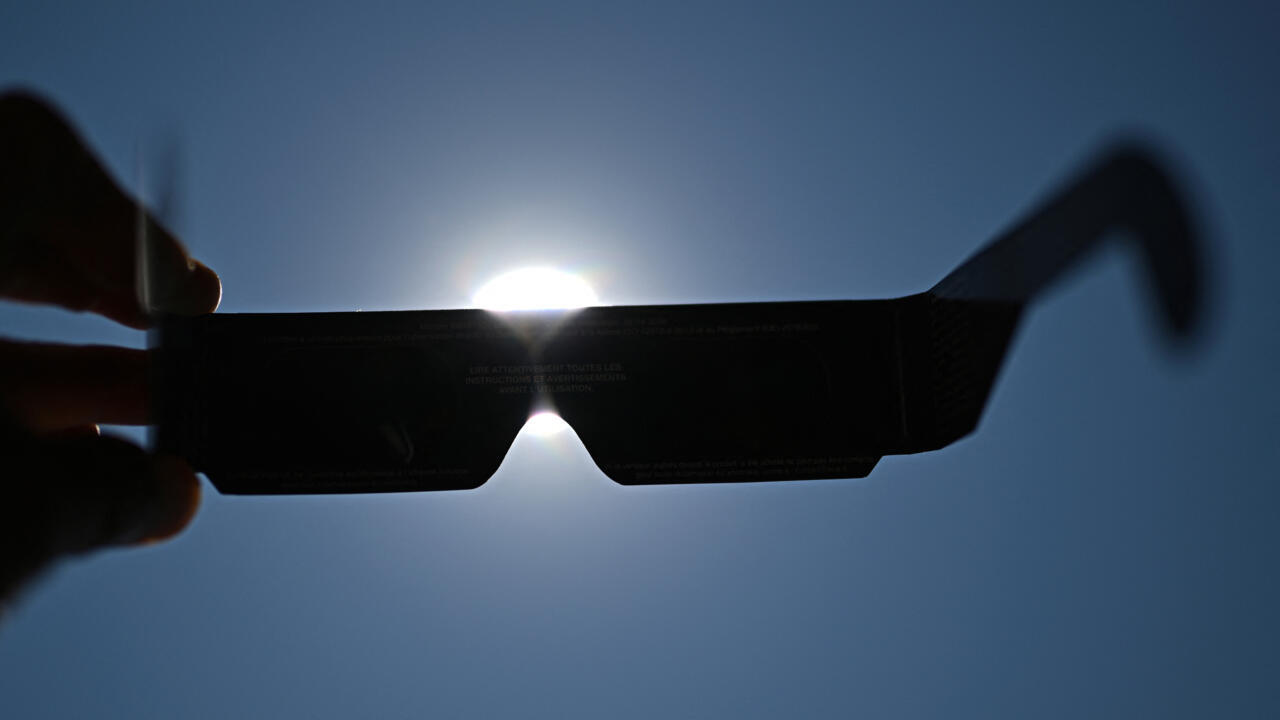
Mainland Europe is bracing for its first total solar eclipse since 2006, an astronomical event that has triggered a significant surge in tourism across rural Spain and other parts of the continent. The Moon’s shadow is set to traverse the region diagonally, beginning in the remote Arctic north of Russia, crossing Greenland and Iceland, before moving across Spain from the Atlantic coast to the Mediterranean Sea. While millions will witness a partial eclipse across Europe, Canada, the northern United States, and northwest Africa, Spain offers the most favourable conditions for totality.
The economic implications of the event are substantial, with the Spanish economy ministry forecasting a net contribution of €347 million ($400 million) to the national economy. This projection is based on an expected influx of more than 446,000 additional tourists into key areas affected by the eclipse. The phenomenon is viewed as a critical opportunity to support rural, northern regions that have endured decades of population decline, transforming sleepy villages into major destinations for eclipse hunters.
However, the influx of visitors has placed considerable strain on local infrastructure and public services. Municipalities have established dedicated observation points and increased security, emergency, and transport resources to manage the anticipated chaos. Officials estimate there will be approximately 1.5 million extra road journeys towards the band of totality, creating significant logistical challenges for small towns not accustomed to such volumes of international traffic.
In Benavente, a northwestern Spanish town expected to offer excellent viewing conditions, accommodation has already been fully booked. Laura del Teso, a worker at the local tourism office, reported receiving 50 calls daily regarding logistics, including accommodation, viewing locations, and parking. The town has seen an unprecedented number of foreign visitors from countries including Belgium, Britain, Australia, New Zealand, the Netherlands, and Germany.
Authorities are also managing heightened health and safety risks associated with the event. The Madrid-based AEMET weather agency has predicted temperatures exceeding 35C across most of mainland Spain, with potential spikes above 40C in the northeast. Combined with dry conditions and large crowds in parched countryside areas, AEMET has forecast a very high or extreme wildfire risk for much of the country. While clear skies are expected for most of Spain, rain and clouds are predicted for Iceland’s Westfjords region.
Beyond the tourism and logistical impacts, the eclipse presents a scientific opportunity to study the Sun’s atmosphere and magnetic field. Scientists are utilising the brief period of totality, which will last less than two minutes in Spain, to investigate solar winds and the star’s outermost layer. The partial eclipse phase will last approximately one hour and 45 minutes, providing a window for broader observation before the shadow vanishes around 1830 GMT in the Mediterranean.