Eclipse logistics and the high cost of totality
As mainland Europe prepares for its first total solar eclipse since 1999, observers are prioritising maritime viewing to bypass terrestrial congestion, highlighting the logistical and financial demands of tracking celestial events.
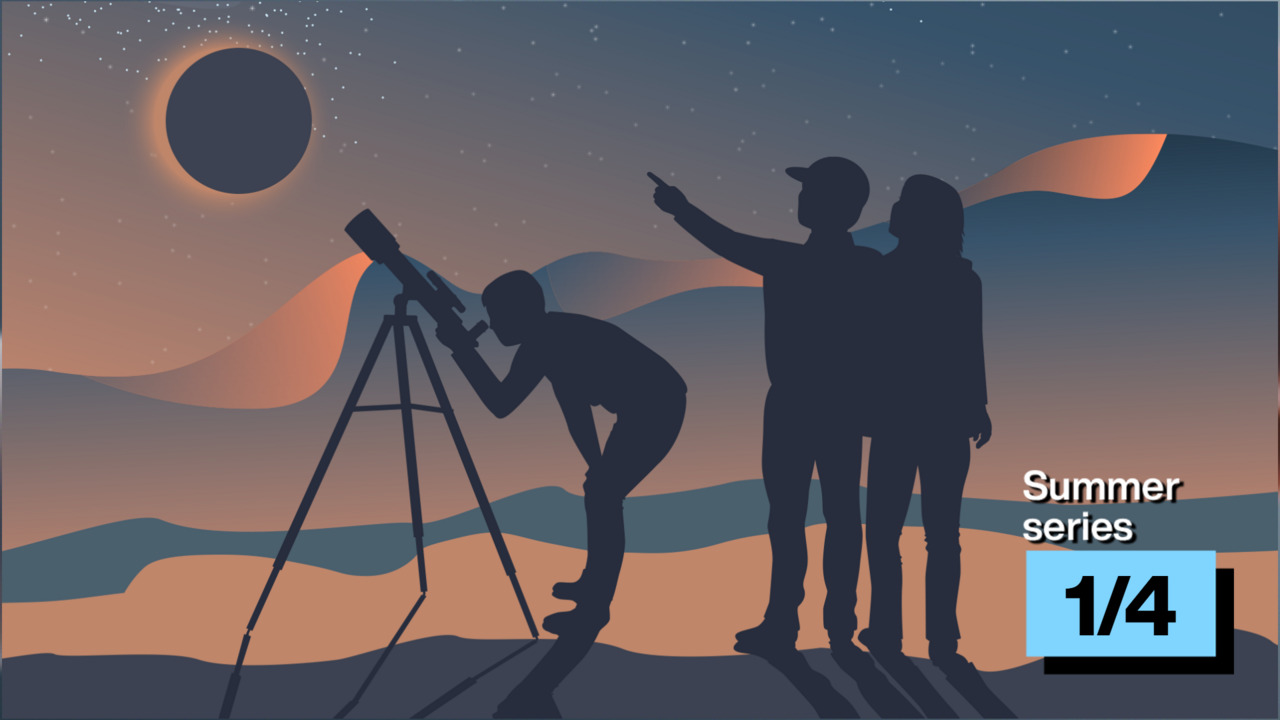
A total solar eclipse is scheduled to traverse northern Spain, Iceland, and Greenland on August 12, 2026, marking the first such event visible in mainland Europe since 1999. The astronomical phenomenon has drawn international attention, with eclipse enthusiasts travelling to the region to observe the shadow of the Moon. Among those tracking the event is the Singaporean family of Janet Tay, Koh Joo Beng, and Jared Kho, who are utilising maritime routes to mitigate the logistical pressures expected on land.
The Kho family has opted to view the eclipse from ships off the coast of La Coruña in Spain’s Galicia region. This strategy is designed to circumvent anticipated land-based challenges, including heavy traffic congestion, accommodation shortages, and crowded viewing sites. Jared Kho, 37, noted that cruise ships can typically position themselves close to the centre line of the eclipse path, offering a clear horizon. He warned that the late timing of the eclipse in Spain means the Sun will sit only about 10 degrees above the horizon shortly before sunset, making unobstructed sightlines critical to avoid blockages from trees or buildings.
Jared Kho will witness his fifth total solar eclipse during this event, following his first experience in 2012 aboard a ship between Tahiti and Australia. His father, Koh Joo Beng, is a retired electrical engineer who has witnessed 14 total solar eclipses to date and later pursued a master’s degree in astronomy. The family has documented their expeditions in a guide titled *Chasing Totality: The Complete Handbook for the 2026 Total Solar Eclipse*, aimed at assisting other observers in identifying optimal viewing locations within Spain's path of totality.
The pursuit of totality involves significant financial and organisational commitments. Janet Tay, a retired accountant, begins planning each expedition approximately two years in advance, booking flights and accommodation for stays lasting one or two weeks. Jared Kho estimates that each eclipse trip costs the family more than $3,000 per person. The family’s previous observations include events in Idaho Falls in 2017, Exmouth, Australia, in 2023, and Kerrville, Texas, in 2024.
Beyond the logistical aspects, the event has attracted research into its impact on human emotion. A study involving more than 1,300 people during the 2024 total solar eclipse found participants reported exceptionally high levels of awe, with some describing these feelings months later. Additionally, a 2025 study in *The Journal of Positive Psychology* indicated that group experiences of totality correlated with stronger positive emotions and a deeper sense of connection. Jared Kho, who works in Singapore’s public healthcare system designing training programmes for managers, described the alignment of celestial bodies as a reminder of humanity’s small place in the universe.