Ebola outbreaks in DRC and Uganda face escalation as violence disrupts health facilities
The World Health Organization warns of worsening conditions in the eastern Democratic Republic of the Congo as the Africa Centres for Disease Control and Prevention places ten nations on high alert amid a crisis that has claimed nearly 180 lives.
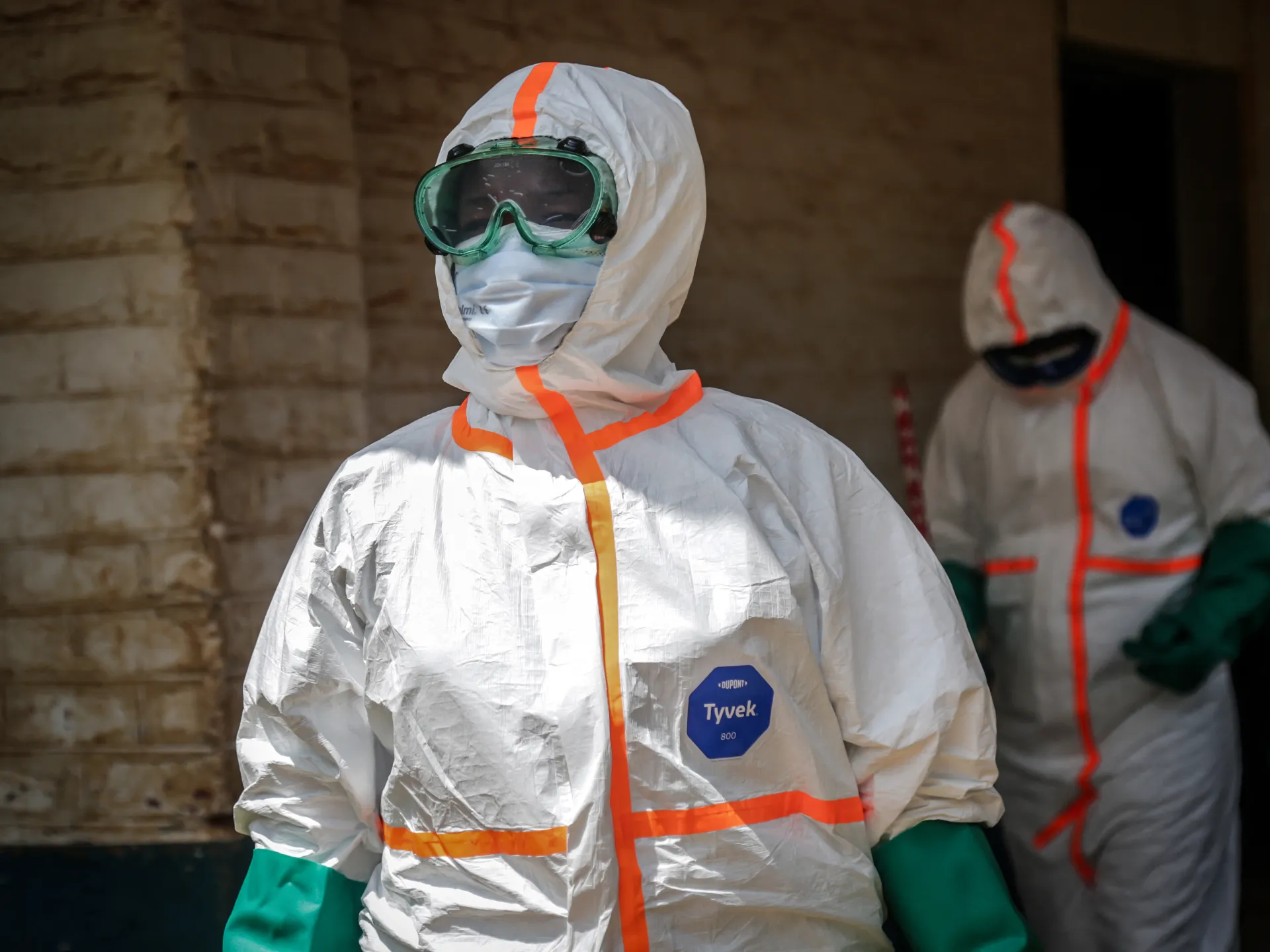
Violent attacks on Ebola health facilities have intensified in the eastern Democratic Republic of the Congo, driven by deep-seated community mistrust of strict burial protocols mandated by international health agencies. The World Health Organization has warned that the outbreak could worsen in the DRC and Uganda, as the Africa Centres for Disease Control and Prevention has placed ten African countries on high alert.
On 24 May, the Rwampara health centre was stormed by angry residents demanding the bodies of relatives who had died from the virus. A day later, a tent provided by Doctors Without Borders at a hospital in Mongbwalu, Ituri province, was set on fire following the death of a patient showing Ebola symptoms. The NGO Alliance for International Medical Action confirmed that despite the arson, teams secured the body for a safe burial in accordance with protocols.
The violence stems from a clash between medical safety measures and local cultural traditions. In the region, it is customary for relatives to gather at the home of the deceased to pay last respects, often touching the body. However, Ebola response standards require specialised handling of corpses to prevent transmission. Health workers report that fear, rumours, and misinformation have led some communities to believe that healthcare providers are trafficking organs or treating the disease as a business.
Congolese Health Minister Roger Kamba has urged the public to accept safe burials, stating that the bodies of Ebola victims remain highly contagious. Authorities in Ituri have introduced measures to slow transmission, including limits on public gatherings, the suspension of wake services, and a ban on moving bodies between locations. Despite these efforts, doctors warn that attacks on treatment centres and patients fleeing before completing care are accelerating the spread of the disease.
As of Saturday, nearly 180 people have died and close to 800 cases have been recorded, according to the Congolese Ministry of Public Health. Amid a sharp decline in international aid, the national treasury is covering a large share of the response, with officials noting that treatment centres are overwhelmed and resources are inadequate. The DRC, Uganda, and South Sudan have agreed to strengthen cross-border coordination, including surveillance and border monitoring, to contain the crisis.