DW correspondent faces trial in Ankara as Turkey’s press freedom index falls
The Deutsche Welle journalist appears via video link on charges of insulting President Recep Tayyip Erdogan, drawing condemnation from international watchdogs and underscoring a broader erosion of judicial independence in Turkey.
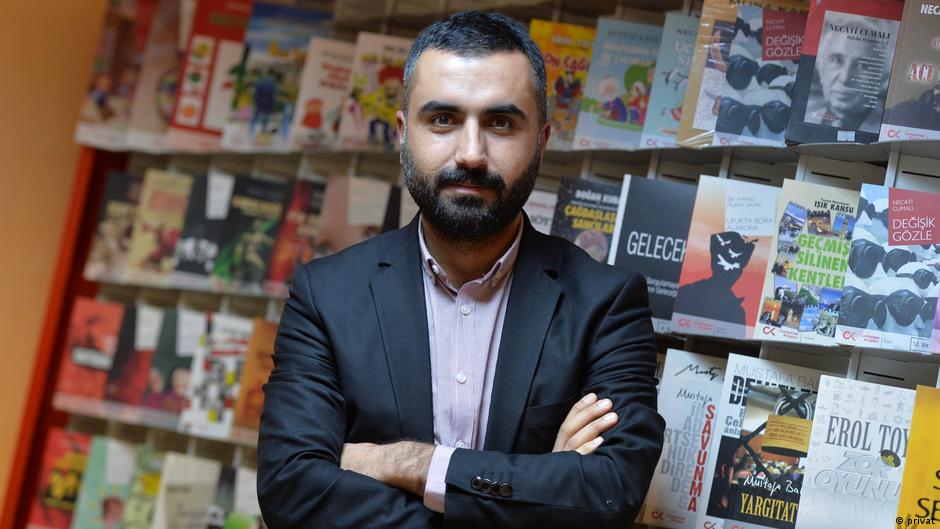
Deutsche Welle correspondent Alican Uludag is set to appear before an Ankara court for the first time on Thursday, participating via video link while held in pre-trial detention in Istanbul. Uludag, who was arrested at his Ankara apartment on 19 February, faces 22 charges linked to social media posts, including allegations of insulting President Recep Tayyip Erdogan, spreading misleading information, and disparaging state institutions. Despite his request to present his defence in person, the court has restricted his participation to remote proceedings.
Uludag maintains his innocence, asserting that he has adhered strictly to journalistic standards while reporting on the judiciary. He described his detention as a deliberate attempt to silence his work, noting that he has previously reported on contradictions in indictments and inconsistencies in witness testimonies. The journalist stated he does not admit to any charges and intends to continue pursuing the truth, although he expressed concern that his incarceration prevents him from reporting on potential human rights violations within the prison system.
The case has drawn sharp criticism from press freedom advocates. DW Director-General Barbara Massing dismissed the allegations as baseless, characterising the arrest as a targeted attempt at intimidation that demonstrates the extent to which the government is repressing press freedom. Erol Onderoglu of Reporters Without Borders (RSF) described the proceedings as arbitrary, noting that Uludag, a serious journalist known for investigating matters of public interest, had likely angered those in power through his work.
Uludag’s situation reflects a wider deterioration in media freedoms across Turkey. In RSF’s 2026 World Press Freedom Index, the country has fallen four places to rank 163rd out of 180 nations. The Turkish Journalists' Union (TGS) has warned that state intervention against media outlets is increasing, describing the use of charges such as disinformation and defamation of state institutions as a structural problem rather than an isolated incident. The union highlighted that 15 journalists and media workers were in custody as of 27 April, including Etkin News Agency reporter Pinar Gayip, who faces charges related to alleged ties to a banned organisation.
Legal mechanisms such as Article 217/A of the Turkish penal code, often referred to as the censorship law, play a central role in this environment. Introduced in 2022, the provision criminalises the public dissemination of misleading information and has been used to initiate proceedings against numerous media professionals. Critics argue that the legal process itself has become a tool of punishment, with the threat of imprisonment and prolonged court cases exerting a chilling effect on journalistic work even when acquittals are eventually secured.