Dutch cruise ship stranded off Cape Verde following suspected hantavirus outbreak
A vessel carrying nearly 150 people, including 17 Americans, remains adrift in the Atlantic while laboratory testing and virus sequencing are conducted to determine the cause of the fatalities.
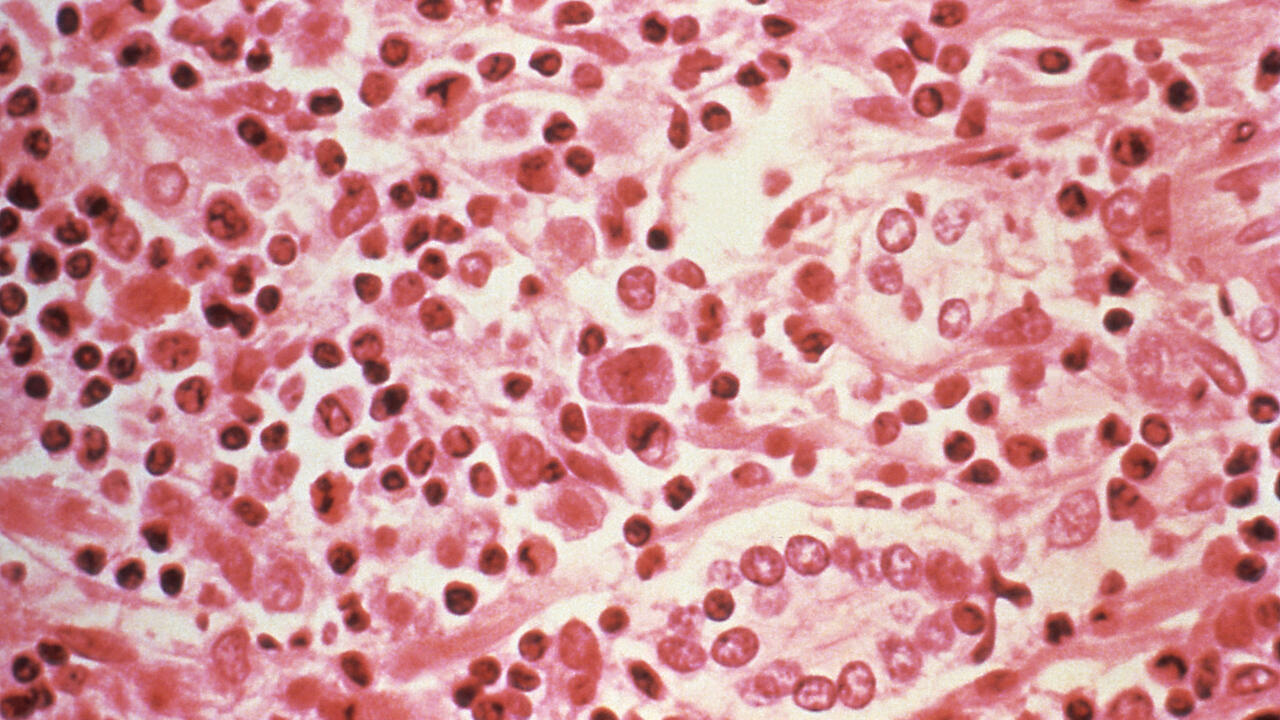
A Dutch cruise ship carrying nearly 150 passengers, including 17 Americans, has been stranded off the coast of Cape Verde following a suspected outbreak of hantavirus. The World Health Organization and the ship's operator confirmed that the incident has resulted in three deaths and left at least three other passengers seriously ill. As of Monday, the vessel was waiting for assistance in the Atlantic Ocean after the outbreak was identified.
The illness is rodent-borne and typically spread through contact with infected urine, saliva, or droppings, particularly when these materials are disturbed and become airborne. While direct person-to-person transmission is possible, it is described as rare. The WHO stated that detailed investigations, laboratory testing, and virus sequencing are currently underway to understand the scope of the outbreak and the specific strain involved.
Hantaviruses have been documented for centuries, with outbreaks occurring in Asia and Europe where they are linked to haemorrhagic fever and kidney failure. A different group of hantaviruses emerged in the southwestern United States in the early 1990s, causing hantavirus pulmonary syndrome. This distinction is relevant given the location of the cruise ship in the Atlantic, where the Eastern Hemisphere variant is the primary concern.
There is no specific cure for the virus, and survival depends on early medical attention. In the United States, the Centers for Disease Control and Prevention tracks the disease, noting that most cases occur in Western states where human encounters with rodents are more frequent in rural areas. Symptoms often mimic the flu, including fever, chills, and muscle aches, before potentially progressing to life-threatening conditions such as lung fluid accumulation or renal failure.
The mortality rates vary significantly depending on the specific syndrome caused by the virus. Hantavirus pulmonary syndrome is fatal in approximately 35% of cases, whereas haemorrhagic fever with renal syndrome has a death rate ranging from 1% to 15%. Public health experts advise against sweeping or vacuuming rodent droppings, as this can aerosolise the virus, recommending the use of protective gloves and a bleach solution for cleaning instead.
While the ship remains adrift, the focus remains on the ongoing epidemiological investigation. Researchers continue to study the progression of the illness, noting that early symptoms can make it difficult to distinguish the infection from other common ailments. The situation highlights the risks associated with rodent exposure in enclosed environments and the critical need for accurate diagnosis and containment protocols during maritime travel.