Dubai's financial safe-haven status faces unprecedented scrutiny amid Iran-US tensions
Residential property values have fallen nearly 20% in March, and Swiss private bankers anticipate tens of billions of dollars in new inflows from the Gulf region as investors seek systemic distance from geopolitical hotspots.
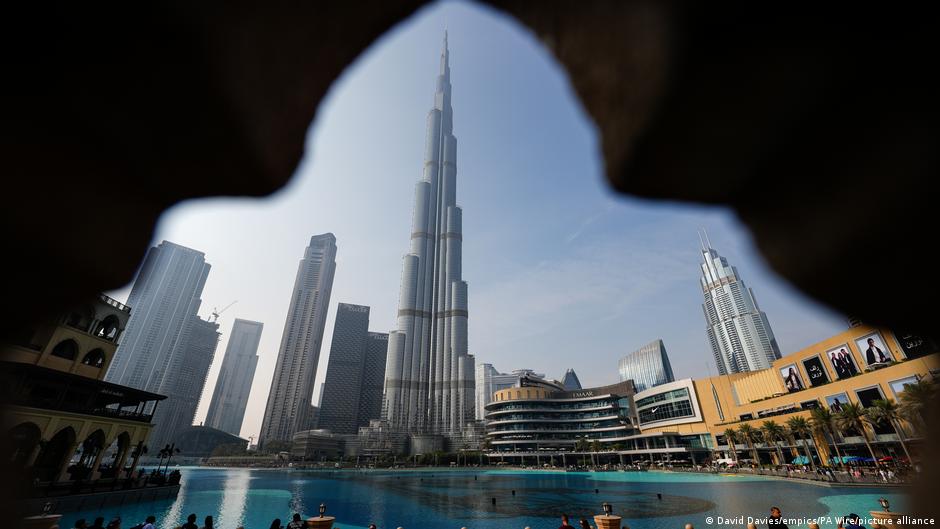
Dubai's long-standing reputation as a stable financial oasis in the volatile Middle East is undergoing its most significant challenge yet. Escalating tensions between Iran and the United States have prompted wealthy elites and high-net-worth individuals to quietly diversify their assets away from the emirate. While tourism and air traffic are showing signs of recovery following the initial shock of missile and drone attacks, the prolonged geopolitical standoff threatens the city's appeal as a global business hub.
The shift in capital is evident in the behaviour of private banking sectors across Europe and Asia. Wealth advisers in Singapore and Switzerland report a sharp rise in enquiries from Dubai-based clients. Swiss private bankers specifically anticipate tens of billions of dollars in new inflows from the Gulf region as investors seek capital preservation. This movement reflects a choice between growth and preservation, with Singapore attracting Asian-origin wealth for exposure to regional expansion, while Switzerland offers a reputation for neutrality and systemic distance from geopolitical flashpoints.
Despite the outflow of some long-term wealth, many investors are not abandoning Dubai entirely. Instead, they are adopting a strategy described as "strategic hybridity." This approach involves maintaining operational businesses and lifestyle assets within the UAE while establishing secondary residences or holding long-term wealth in Singapore or Switzerland. Around a fifth of clients interviewed by legal experts in the region plan to stay put, viewing the instability as temporary now that strikes on Gulf targets have ceased and efforts continue to reopen the Strait of Hormuz.
The local real estate sector is already feeling the pressure of this geopolitical shift. In March, the total value of residential property transactions fell nearly 20% month-on-month to approximately $10.1 billion. Forecasts by Citi Research and the real estate consultancy Knight Frank now point to a potential 7-15% price correction in the sector. These figures suggest that the property boom fuelled by the city's cosmopolitan lifestyle and pre-pandemic price jumps is facing a period of volatility.
Dubai's economic fundamentals remain robust, having recorded GDP growth of around 4.7% in the first nine months of 2025. The emirate continues to offer zero personal income tax and a corporate tax of just 9% on profits above a certain threshold, alongside no capital gains or inheritance tax. However, the current situation forces a re-evaluation of the risks associated with concentrating wealth in a single jurisdiction amidst a smoldering conflict between Washington and Tehran.
While the emirate's ruler has outlined ambitious plans to double the economy by 2033 and expand aviation capacity, the immediate test lies in restoring confidence. Investors are hedging their bets by keeping a foothold in the desert while securing insurance policies elsewhere. Whether the city can rebound quickly enough to prevent a permanent erosion of its safe-haven status will depend on the duration of the conflict and the speed of diplomatic resolution.