Drone logistics deployed to address tuberculosis crisis in remote Philippines
Dr Heidi Sampang utilises aerial transport to expedite sample testing and supply delivery in areas where limited medical infrastructure contributes to an estimated 98 daily fatalities.
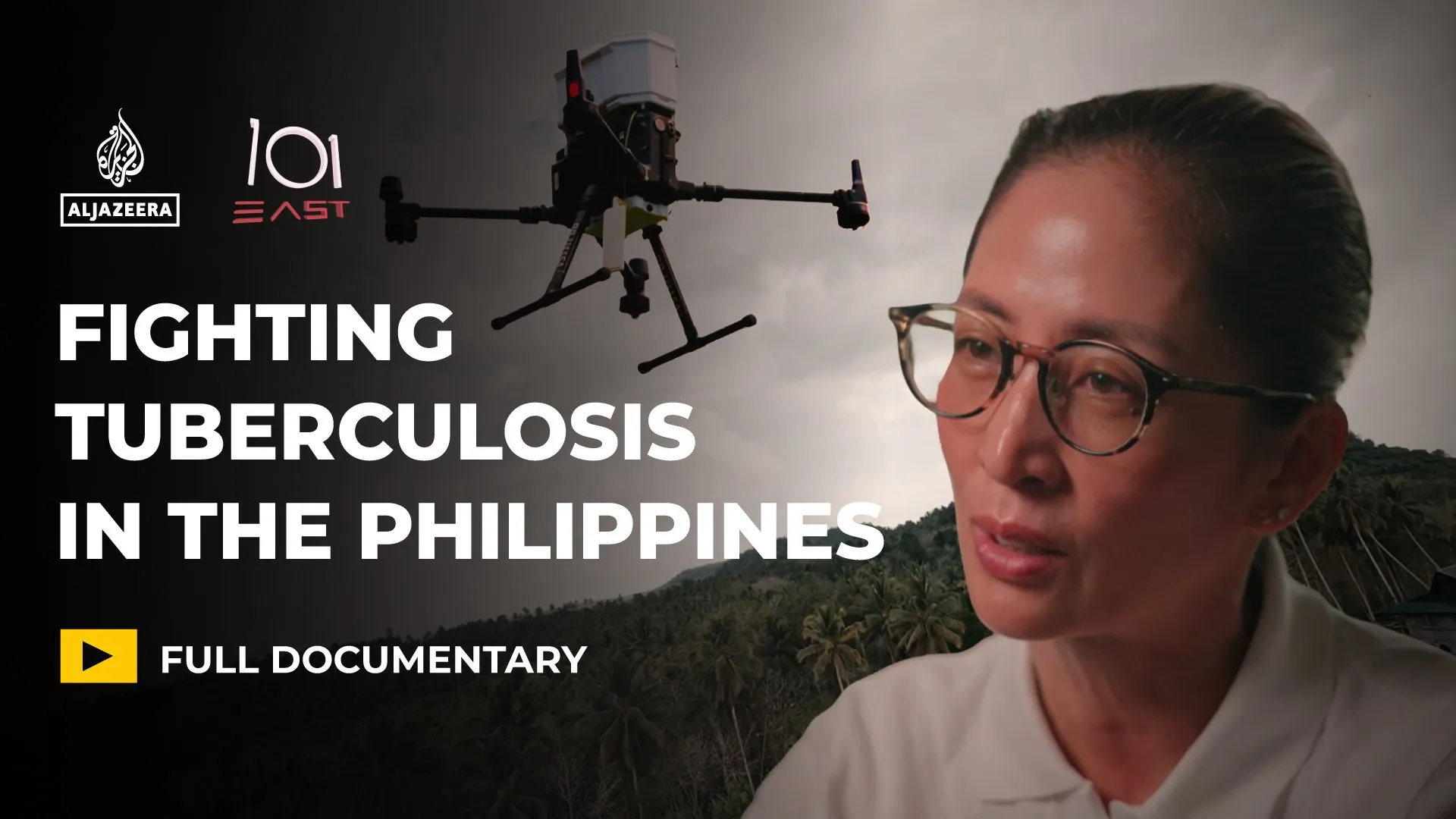
A medical initiative led by Dr Heidi Sampang is deploying drone technology to transport medical samples and essential supplies to remote communities across the Philippines. The programme is designed to accelerate tuberculosis testing and treatment in regions where healthcare services are constrained by the nation’s challenging geography of thousands of mountainous islands.
Tuberculosis remains a leading cause of death in the country, with an estimated 98 fatalities recorded each day. The disease poses a particularly severe threat in isolated areas where delayed diagnosis and subsequent treatment can prove fatal. The introduction of aerial logistics seeks to mitigate these delays by reducing the time required for sample transit and the delivery of necessary medical resources.
Dr Sampang’s approach focuses on the rapid movement of biological samples to facilitate faster testing outcomes. By utilising drones to navigate the difficult terrain, the initiative aims to streamline the diagnostic process for medical teams operating in these remote locations. The technology is positioned as a mechanism to expedite the delivery of essential supplies, addressing logistical bottlenecks that have historically hindered effective care.
The programme operates within a broader context of limited medical services in these isolated communities. The reliance on drone transport highlights the structural challenges faced by the Philippine healthcare system in reaching populations dispersed across its archipelagic landscape. The initiative represents a shift towards modern logistical solutions to support public health efforts in areas where traditional transport methods are often insufficient.
The report on this development was featured in Al Jazeera’s 101 East programme, which profiles the medical teams involved in the effort. While the technology is described as having the potential to save lives by improving access to care, the specific scale of the operation, including the number of drones deployed or the exact regions covered, has not been detailed in available reports.