DRC suspends Bunia air traffic as Uganda imposes border curbs amid Ebola crisis
The Ministry of Transport and Communications has banned commercial flights to Bunia, while Uganda restricts cross-border movement, leaving local businesses unable to fulfil orders and experts predicting severe inflation.
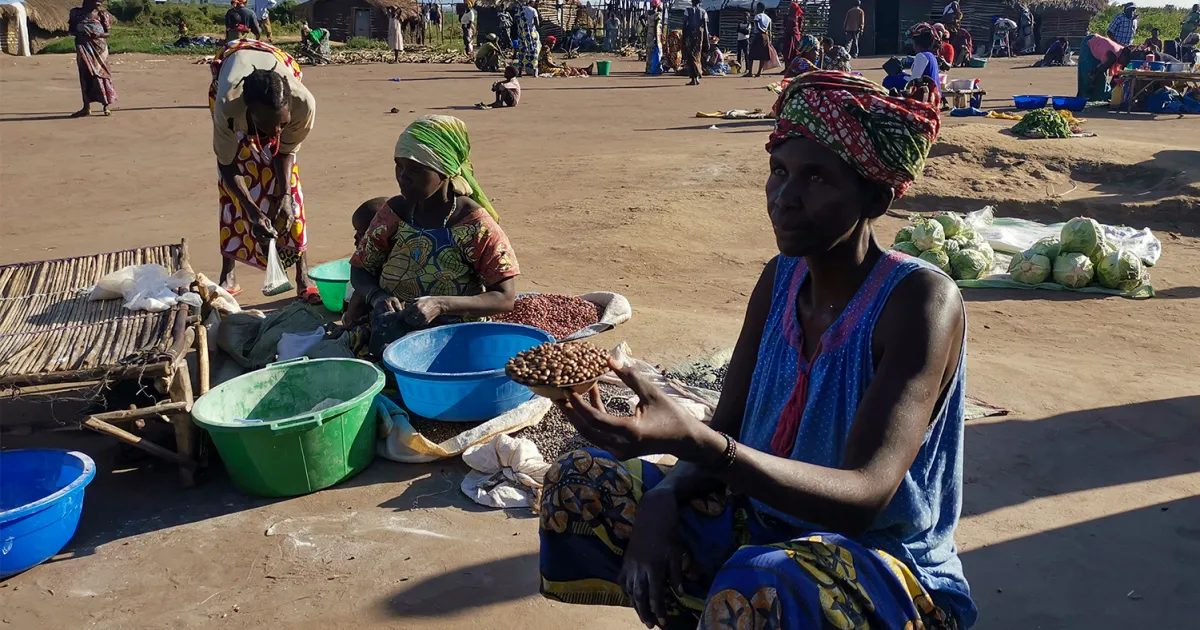
Congolese authorities have suspended all commercial flights to and from Bunia, the capital of Ituri province, in a decisive move to contain the spread of the Ebola virus. The Ministry of Transport and Communications issued the ban, permitting only humanitarian, medical, and emergency flights subject to special approval from aviation and health officials. The decision aims to prevent cross-border transmission and ensure the safety of passengers and airport staff, with officials urging strict compliance with health guidelines.
Simultaneously, Uganda has introduced travel restrictions on its border with the Democratic Republic of the Congo, effectively isolating Bunia and disrupting critical trade routes. As a primary gateway for goods entering the region, the closure of Ugandan borders has halted the flow of essential supplies. Local businesses report an immediate inability to fulfil customer orders, with retailers importing goods from Kampala facing total logistical paralysis. The combined measures have severed the city’s connection to regional markets, raising urgent concerns about potential bankruptcy and price spikes due to goods shortages.
The economic fallout in Bunia is expected to be severe, given that 50 percent of the city’s economic activity falls within the tertiary sector, including services, transport, retail, and public administration, according to UN-Habitat data. Pascal Tudja, an economic analyst in Bunia, noted that the road to the city is virtually impassable, making air travel the primary mode of transport for many residents and traders. He warned that the isolation would lead to a severe shortage of goods, likely causing prices to skyrocket as supply chains break down.
Business operators in the region are calling for immediate government intervention to mitigate the financial damage. Mitterrand Mweze, a business operator with nearly two decades in the region, stated that the airport closure isolates the region and jeopardises his investments in hotels and hospitality. He urged the government to implement tax relief measures to prevent businesses from collapsing during the crisis, arguing that without the airport, the region is cut off from potential investment and economic activity.
The health emergency underpinning these restrictions was declared in mid-May 2026. The outbreak, caused by the Bundibugyo strain which carries a mortality rate of up to 50 percent, has resulted in over 930 cases and more than 220 deaths across North Kivu, South Kivu, and Ituri. The World Health Organization has declared the outbreak a public health emergency of international concern, although it assesses the global risk as low. To support the response, the Africa Centres for Disease Control and Prevention reports that nearly $500 million has been pledged by African governments and international partners.