DRC President Tshisekedi Agrees to National Dialogue Amid Constitutional Pressure
President Felix Tshisekedi’s decision to engage with the opposition follows intensified scrutiny over proposed constitutional amendments, marking a shift in the Democratic Republic of Congo’s political landscape.
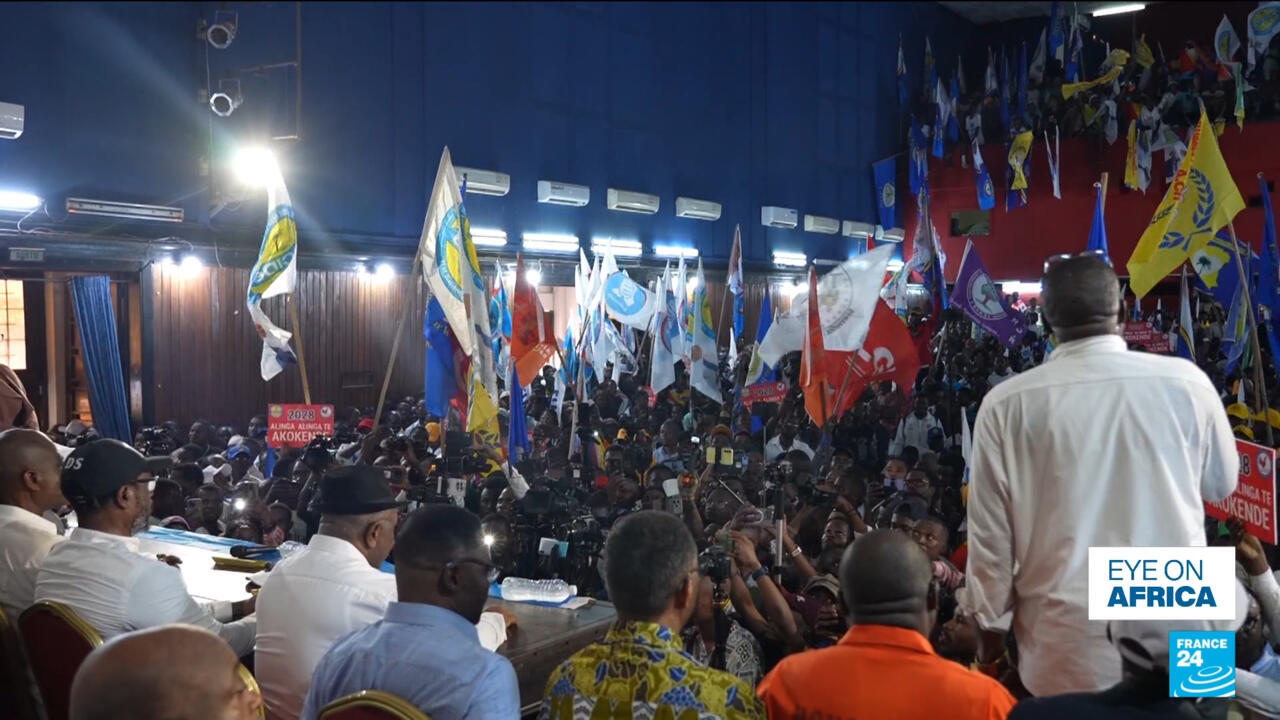
President Felix Tshisekedi of the Democratic Republic of Congo has agreed to initiate national talks with the political opposition, a move that signals a response to mounting domestic pressure. The decision comes as the Tshisekedi administration faces intensified scrutiny regarding its proposal to amend the constitution, a policy direction that has drawn significant criticism from various sectors of society.
The agreement to open this dialogue addresses calls from civil society groups that have persisted for more than a year. These organisations have consistently demanded a national conversation to address political tensions and governance concerns, arguing that the current trajectory of constitutional changes requires broader consensus and transparency.
This development occurs against a backdrop of heightened political tension within the DRC. The government’s proposal to alter the constitution has become a focal point of opposition and public debate, prompting the President to agree to direct engagement with political rivals. While the specific terms, timeline, or scope of the proposed national dialogue have not been detailed in available reports, the commitment to talk represents a notable procedural shift.
The timing of the announcement coincides with a period of increased pressure on the executive branch. By agreeing to these talks, the administration appears to be seeking a mechanism to navigate the contentious constitutional amendment process through dialogue rather than unilateral action, potentially aiming to stabilise the political environment.
Civil society groups have long argued that the proposed constitutional changes could significantly impact the balance of power in the DRC. The President’s willingness to enter into national talks suggests an acknowledgment of the need to address these concerns, although the practical implications and outcomes of the upcoming dialogue remain to be seen.
The move marks a significant political step in a country where such open engagements between the presidency and the opposition are not always guaranteed. It remains unclear how the political opposition will respond to the invitation or what specific concessions or discussions will form the agenda of the national dialogue.
As the DRC navigates this period of political recalibration, the focus will likely shift to the structure and participation criteria of the proposed talks. The success of this initiative will depend on the willingness of all parties to engage in good faith and the potential for the dialogue to produce tangible policy adjustments or political compromises.