DRC Neighbours Bolster Borders as Ebola Crisis Deepens
The World Health Organization warns that the outbreak, declared in May, may be four times larger than reported due to conflict zones hindering detection, while a $400 million funding gap threatens response efforts.
Countries bordering the Democratic Republic of Congo (DRC) have intensified border screening, disease surveillance and emergency response measures in direct reaction to a growing Ebola outbreak within the DRC. The DRC Health Ministry reported 2,344 cases of the Bundibugyo virus and at least 930 deaths since the outbreak was declared on 15 May. The World Health Organization (WHO) has warned that actual case numbers may be up to four times higher than officially recorded, citing undetected infections in conflict-affected areas.
The East African Community (EAC) has agreed on a coordinated regional response, working with the Africa Centres for Disease Control and Prevention (Africa CDC) and the WHO to enhance surveillance, laboratory testing and rapid response capacities. WHO Director-General Tedros Adhanom Ghebreyesus described the outbreak as the third-largest on record and called for international donors to help close a funding gap of over $400 million.
Uganda, which has successfully contained previous Ebola outbreaks, has increased surveillance along its border with the DRC. Dr Beda Senkware of Kabale Referral Hospital identified three western districts bordering the DRC—Kisoro, Kanungu and Rukungiri—as being at the highest risk of infection. Rwanda has likewise strengthened health screening at border crossings and prepared rapid response teams to investigate suspected cases.
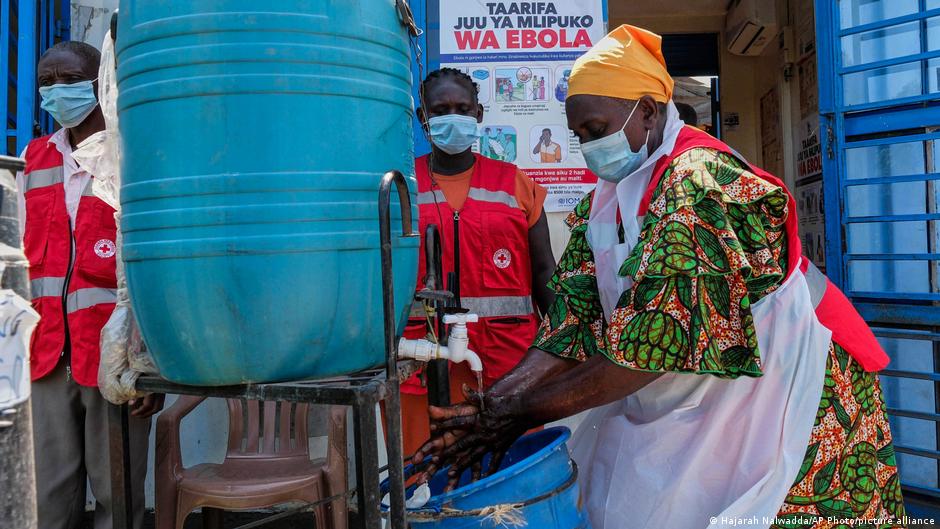
In Zambia, authorities have stepped up screening at points of entry despite recording no confirmed Ebola cases. Dr Naeem Dalal of the Zambia National Public Health Institute confirmed that infection prevention and control measures, including mandatory handwashing and mask-wearing, are being activated nationwide. Provincial public health emergency response centres have been activated to coordinate a rapid response should suspected cases be detected.
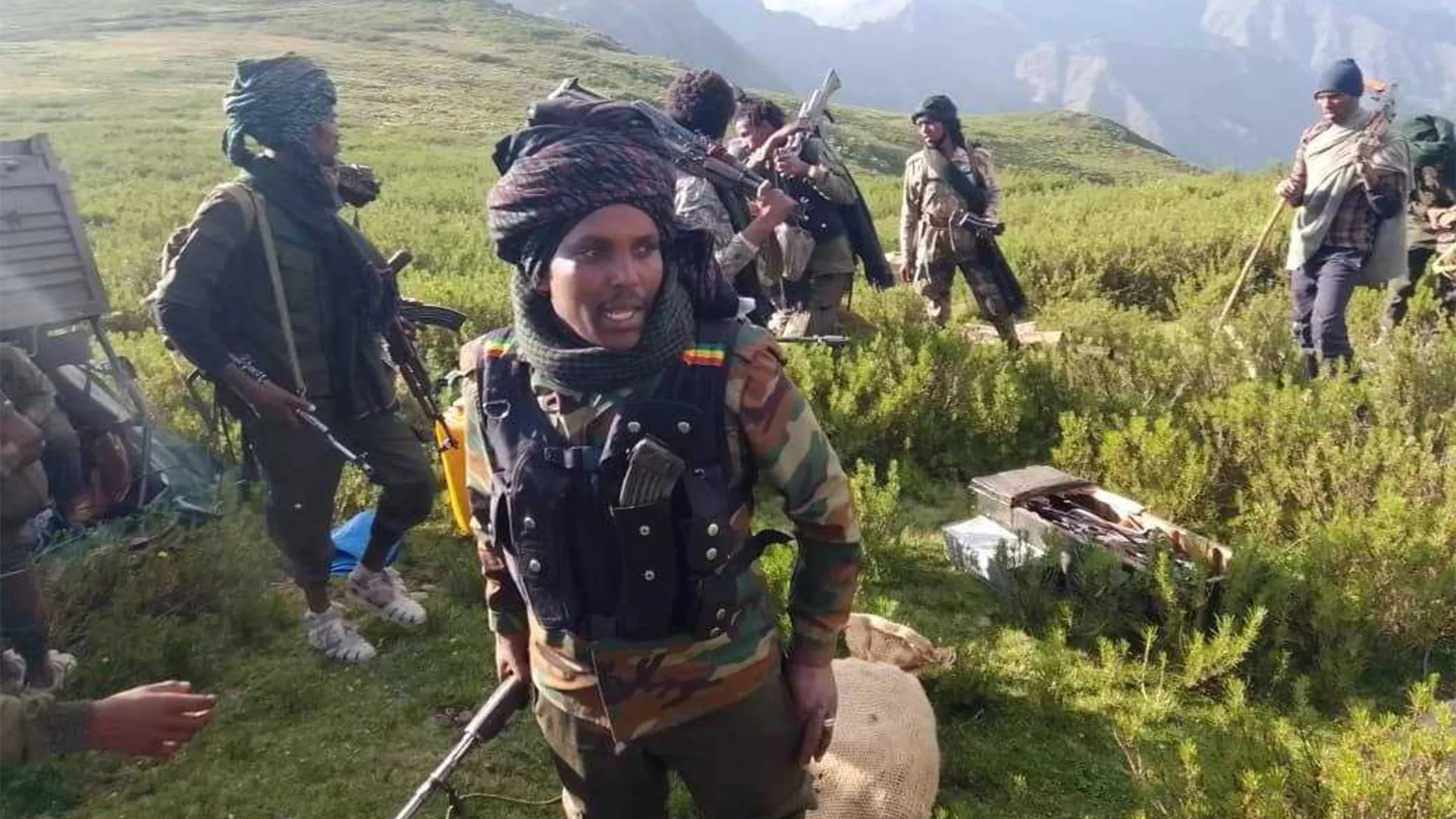
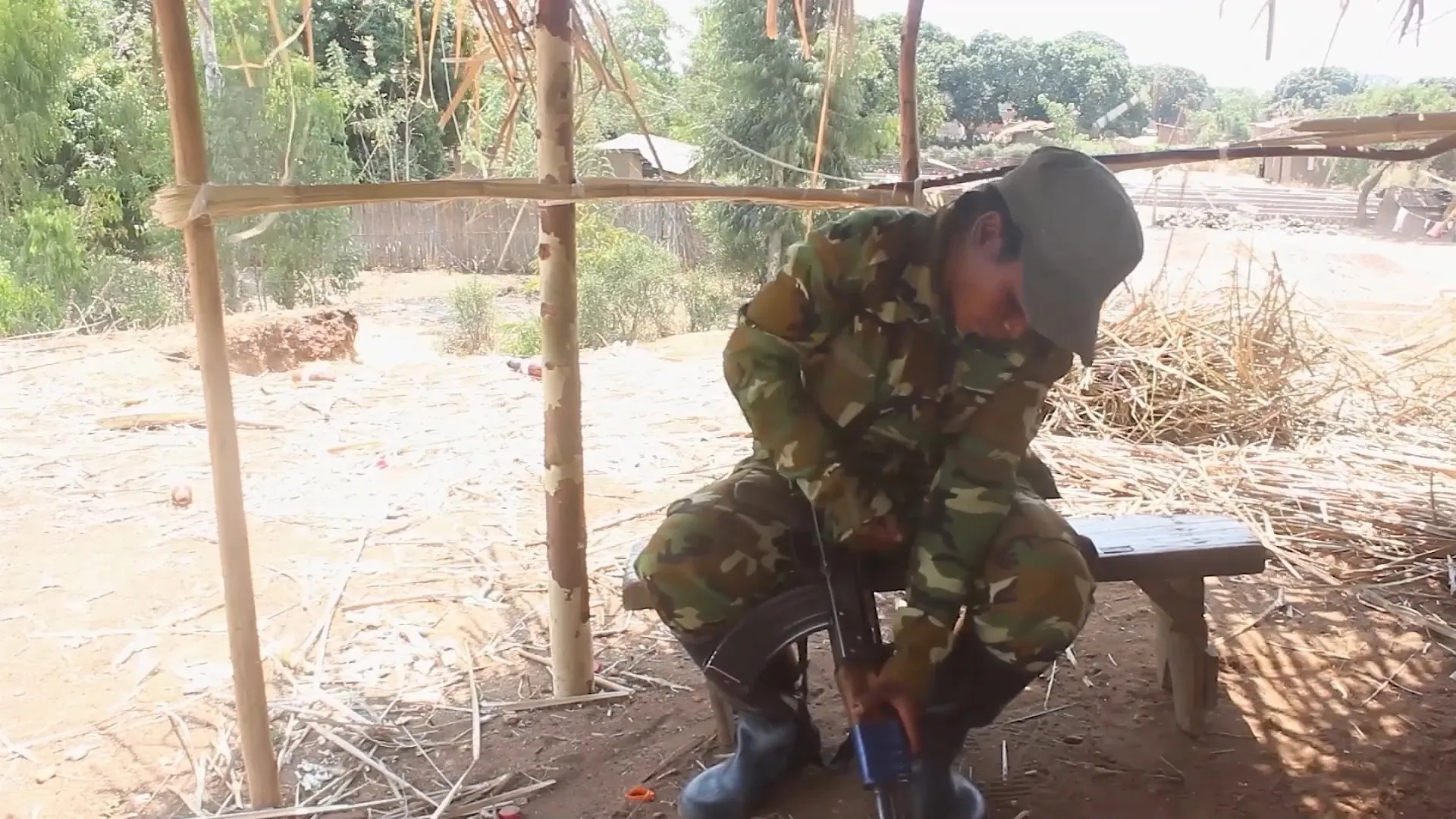
Africa CDC Director-General Jean Kaseya highlighted that the virus, which started in Ituri, has now moved into Uganda and other parts of the DRC, urging neighbouring countries to increase detection capacity. Professor Aileen Marty of Florida International University reported that treatment centres in the DRC have been burnt down due to ongoing conflict, discouraging health workers and facilitating the movement of infected individuals.
No neighbouring countries have confirmed linked cases, but health officials urge continued vigilance. They warn that sustained investment in surveillance, laboratory capacity and regional cooperation will be critical to preventing the virus from further spreading across borders.