DRC Ebola response: First tranche of 16,000 vaccine doses arrives in Kinshasa
The arrival of the first 16,000 Ervebo doses marks a critical step in the World Health Organization’s 70,000-dose pledge, as the Democratic Republic of the Congo confronts its deadliest outbreak to date.
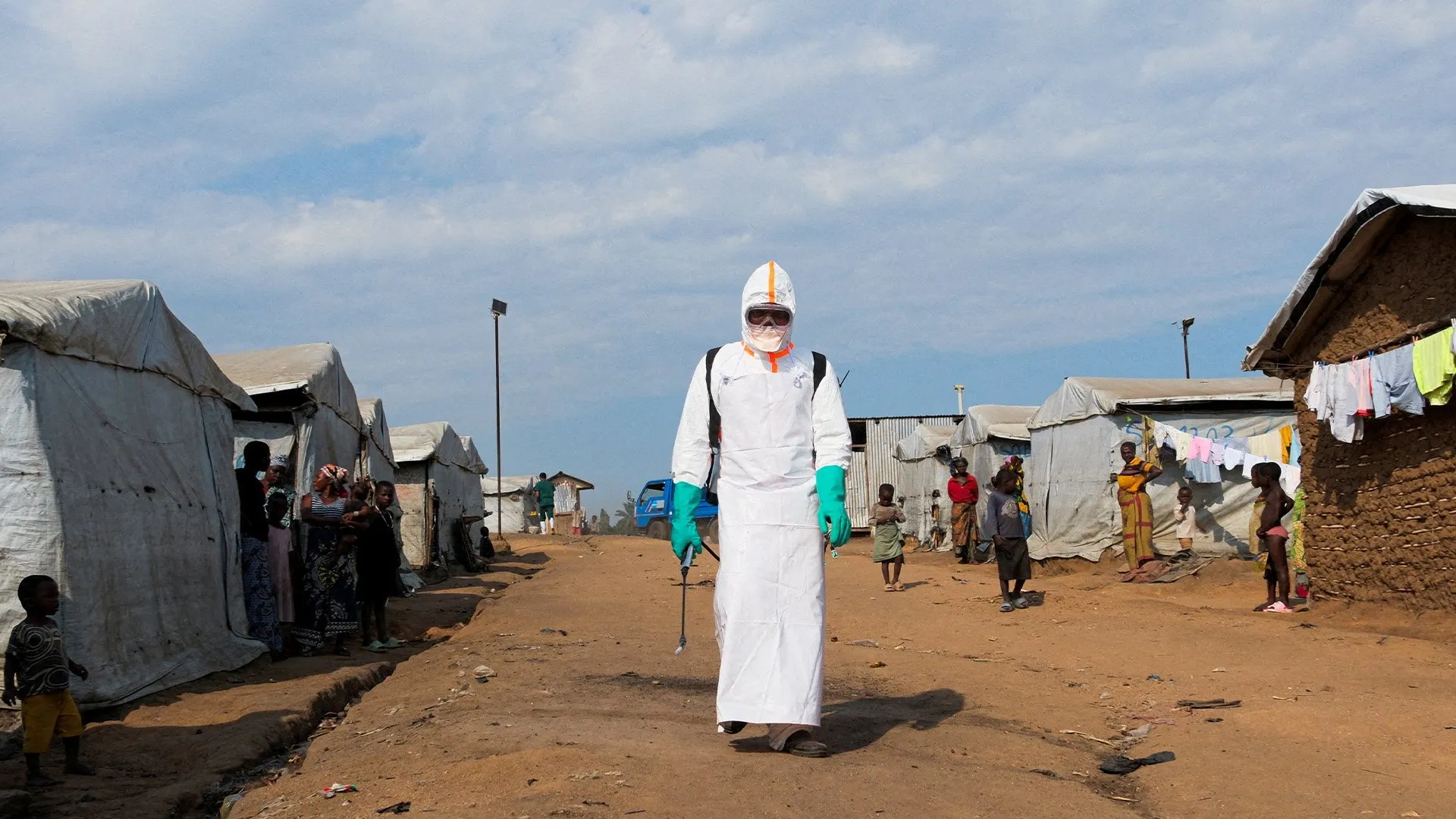
The Democratic Republic of the Congo has received its first significant shipment of Ebola vaccine doses as the country continues to grapple with its deadliest outbreak in history. On Friday, 16,000 doses of the Ervebo vaccine arrived in Kinshasa, providing immediate relief to health services on the front line of the crisis.
This delivery represents the initial tranche of a broader 70,000-dose pledge made by the World Health Organization and its partners. The arrival of these vaccines is a key institutional milestone, signalling the start of a coordinated international response to a domestic health emergency that has strained local resources.
Health authorities in the DRC have issued stark warnings regarding the pace of the outbreak. Officials state that approximately one person is dying from the disease every thirty minutes, a statistic that underscores the urgency of the vaccination campaign. While the figures are estimates, they highlight the scale of the mortality rate currently being experienced by the population.
The current outbreak has claimed more than 2,500 lives from nearly 5,300 confirmed cases. These numbers place the DRC’s situation in a category of its own, distinguishing it from previous Ebola outbreaks in the region. The high case count and death toll suggest that the virus is spreading rapidly in areas with limited healthcare infrastructure.
As the first batch of vaccines is distributed, the focus now shifts to the logistics of reaching affected communities. The distinction between the 16,000 doses that have arrived and the remaining 54,000 pledged is crucial for understanding the timeline of the response. The success of the intervention will depend on how quickly the remaining doses can be delivered and administered.
For policymakers, the situation in the DRC serves as a test of global health governance. The collaboration between the World Health Organization and local authorities is central to the strategy, aiming to contain the spread before it reaches further critical mass. The next few weeks will determine whether the vaccine rollout can match the speed of the outbreak.