DRC Ebola death toll surpasses 1,300 as Bundibugyo variant spreads at record pace
Government figures reveal a 40 per cent surge in fatalities over five days, prompting urgent calls for a ceasefire and accelerated vaccine trials as the outbreak threatens to become the deadliest in history.
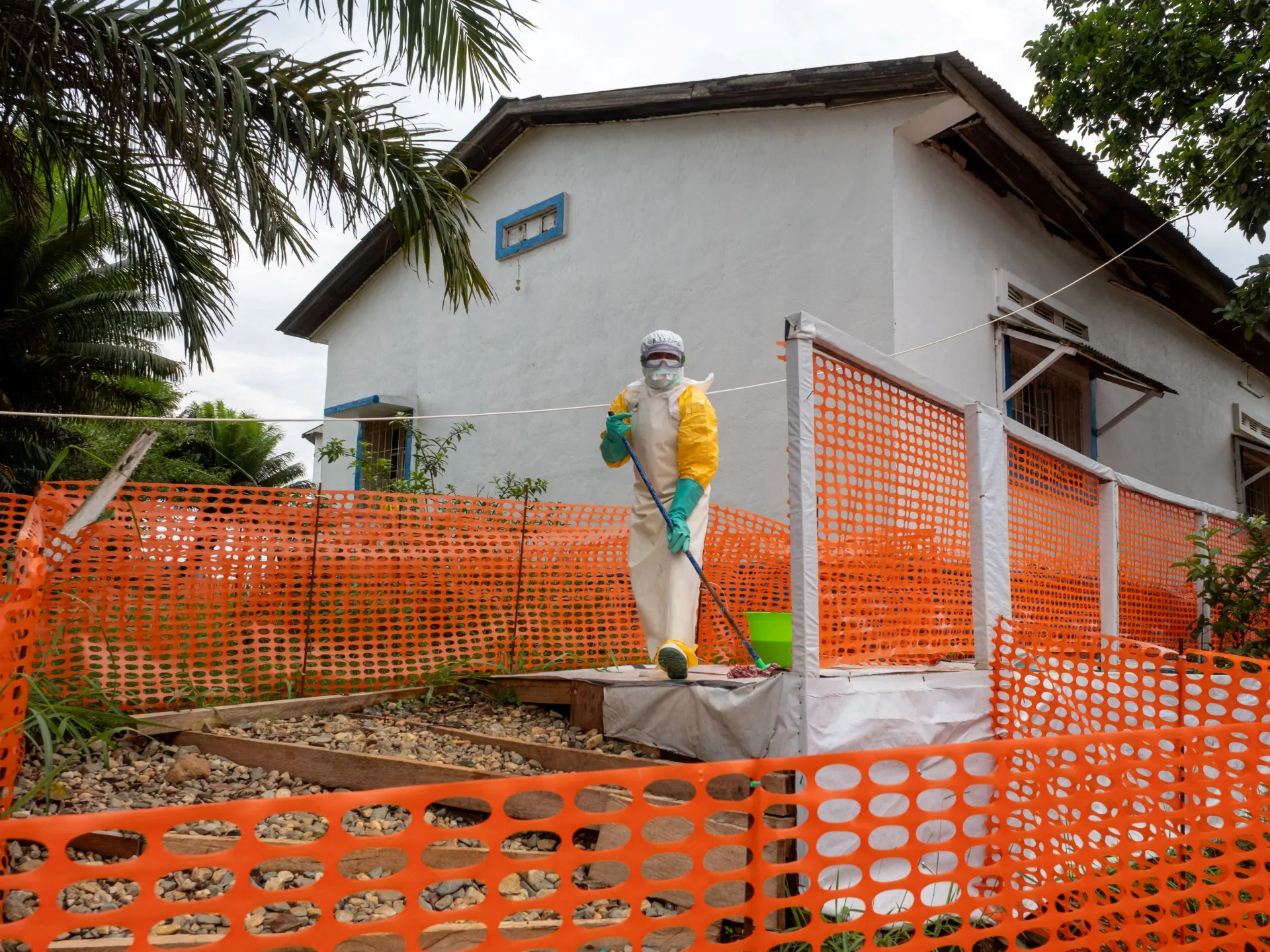
The death toll from the Ebola outbreak in the Democratic Republic of Congo has exceeded 1,309, with confirmed cases reaching 2,973, according to government data released on Saturday. The epidemic is spreading at the fastest rate ever recorded for an Ebola virus, surpassing the 1,000-death milestone in less than 10 weeks, a fraction of the eight months it took during the 2013–2016 West Africa outbreak.
The current crisis is driven by the Bundibugyo variant, the rarest of the four human-affecting strains, which currently lacks approved vaccines or treatments. Abdulsalami Nasidi, a public health consultant involved in establishing the Africa Centres for Disease Control and Prevention (Africa CDC), described the transmission as spreading like a wildfire due to the absence of a proven vaccine. Africa CDC Director-General Jean Kaseya warned that without immediate containment, the epidemic could become the worst in history.
Compounding the public health emergency are active hostilities in eastern DRC and severe operational failures within the healthcare sector. More than 100 healthcare workers have been infected since the outbreak was declared in May, with approximately 35 deaths among staff. In the Ituri province, healthcare workers at major treatment centres, including Rwampara General Hospital and the Elikya Ebola Treatment Centre in Bunia, have initiated strikes citing unpaid wages, missing bonuses, and unsafe conditions.
Scientists are attempting to accelerate the response, with the University of Oxford’s Vaccine Group confirming that a volunteer received the first dose of an experimental vaccine on Friday. Katrina Pollock, the chief investigator for the Oxford team, described the administration as an important milestone in the multinational effort to develop a Bundibugyo ebolavirus vaccine. However, access remains severely restricted by insecurity, with WHO Director-General Tedros Adhanom Ghebreyesus warning that the true case count could be double the official figures.
International policy responses have diverged from global health guidance. The United States and Canada have imposed entry restrictions on travellers who have recently been in the DRC, measures that contradict the WHO’s advice against travel bans issued when the outbreak was declared a global health emergency in May. Tedros has called for a ceasefire in the conflict, arguing that political action is required to open access for responders before the virus spreads to unaffected provinces.