DRC Ebola crisis deepens as death toll surpasses 1,000
Health experts describe the epidemic in the Democratic Republic of Congo as the most rapid in recorded history, with confirmed cases nearing 2,500.
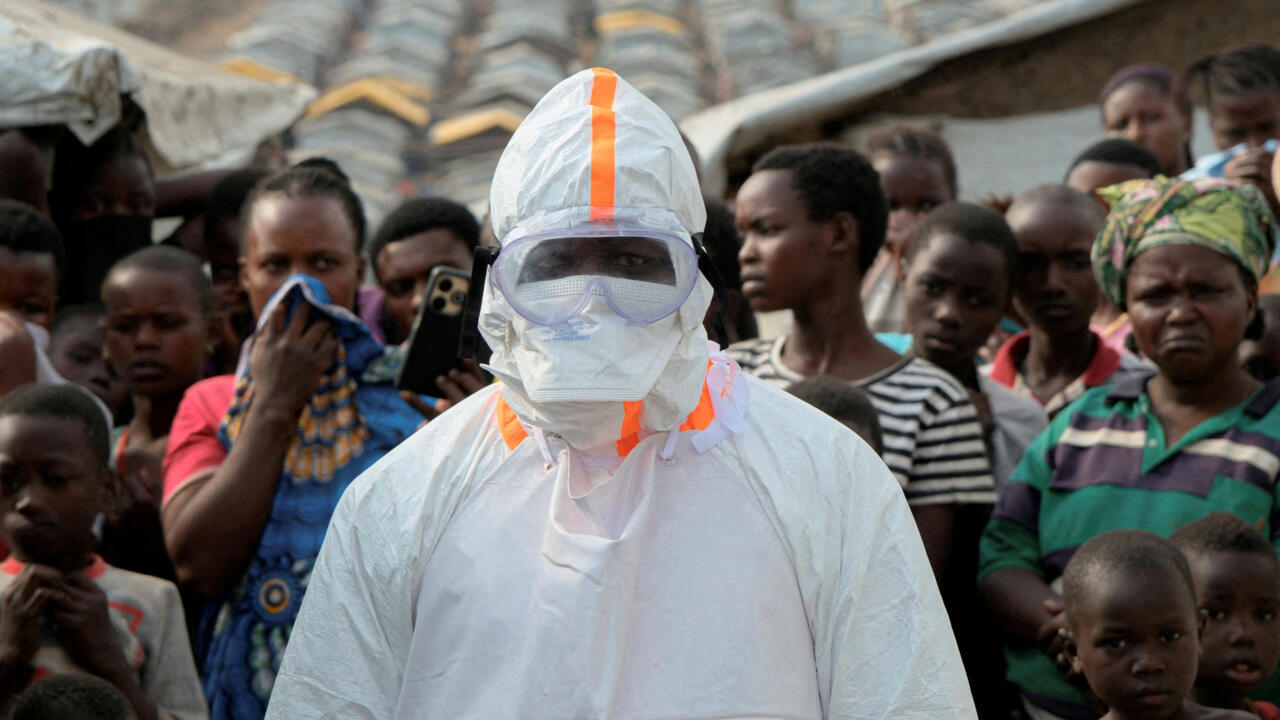
The Ebola epidemic in the Democratic Republic of Congo has officially surpassed 1,000 deaths, with the number of confirmed cases estimated at approximately 2,500. According to reporting from France 24 International, the crisis has been classified by experts as the fastest-spreading Ebola outbreak on record.
The rapid transmission rate of the current virus strain has distinguished this instance from previous outbreaks in the region. While the DRC has a history of managing Ebola, the speed at which this epidemic is spreading has prompted immediate concern among health officials and international observers.
As the situation deteriorates, there are urgent calls for increased funding to address the logistical and medical challenges of containing the virus. Experts argue that additional financial resources are essential to support the infrastructure required to track, treat, and isolate cases effectively.
The data indicates a significant escalation in the public health emergency. The estimated case count of around 2,500 suggests that the outbreak is well beyond initial containment stages, requiring a coordinated and resourced response from both local authorities and international partners.
The timeline of the crisis, as reported on 23 July 2026, highlights the severity of the current health emergency. The combination of high mortality rates and rapid transmission has placed immense pressure on the healthcare systems within the affected regions.
Health authorities continue to monitor the spread of the virus, with the primary focus now on securing the necessary funding to bolster response efforts. The urgency of the situation underscores the need for sustained international support to prevent further loss of life.
The classification of this outbreak as the fastest-spreading in recorded history serves as a stark reminder of the evolving nature of infectious disease threats. The current statistics reflect a critical juncture in the management of the epidemic, where resource allocation is paramount to mitigating the impact on the population.