DRC Ebola cases exceed 2,000 as health worker strikes halt hospital operations
Healthcare workers in Ituri province walk out over unpaid wages, complicating containment efforts as the World Health Organization launches a clinical trial for the first antiviral treatment against the virus.
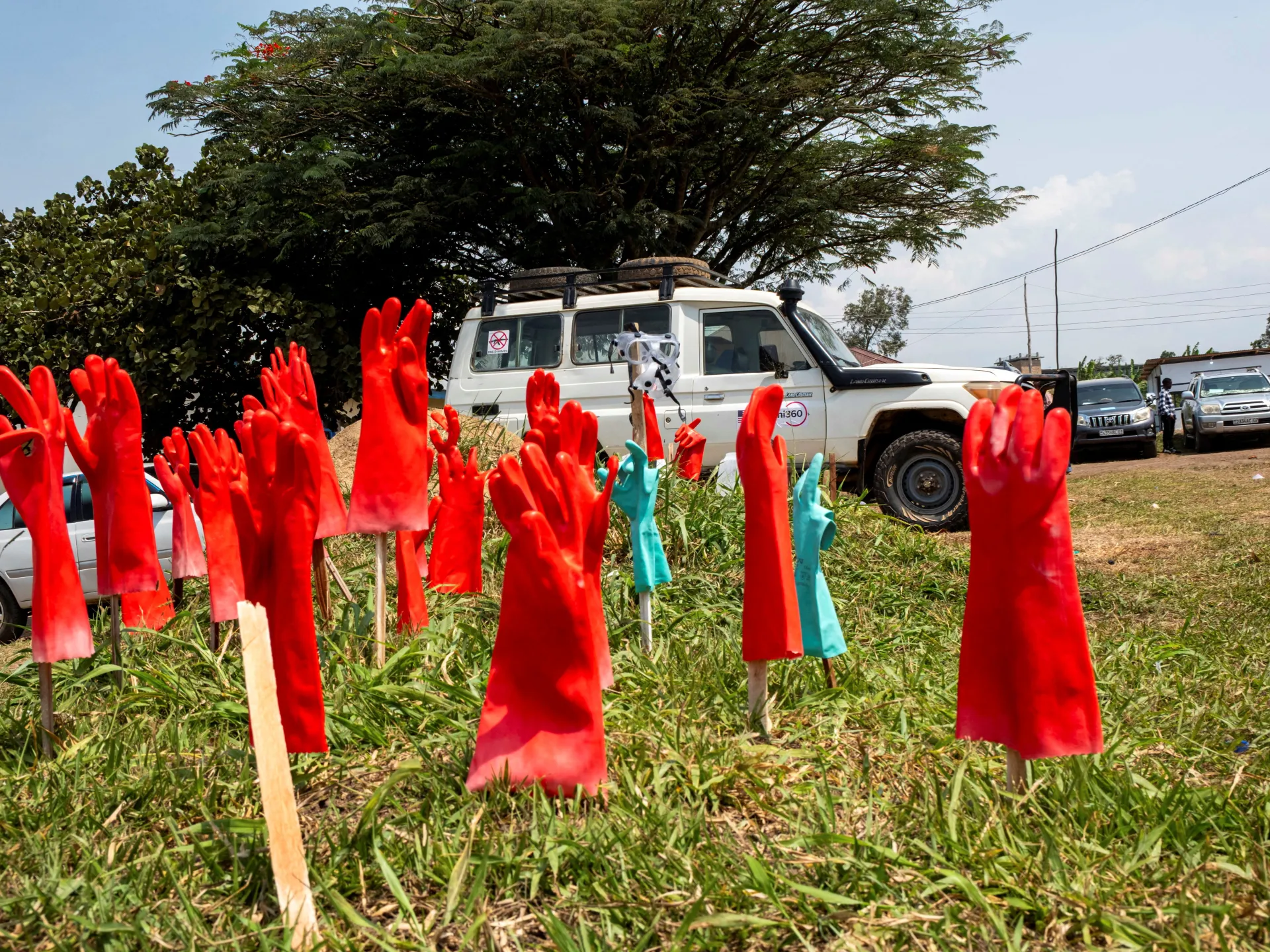
Confirmed Ebola cases in the Democratic Republic of the Congo have surpassed the 2,000 mark, reaching 2,011 with 754 recorded deaths. The World Health Organization has cautioned that the official mortality figures likely represent a significant undercount, estimating the actual death toll could be two to four times higher than reported. The outbreak, which began on 15 May, is driven by the Bundibugyo strain, a variant for which no approved vaccine or specific treatment currently exists.
The crisis in Ituri province, the outbreak’s epicentre, has been exacerbated by industrial action from healthcare staff. Workers at Bunia General Hospital obstructed entrances on Wednesday, citing unpaid wages and inadequate working conditions. This follows similar actions at Rwampara General Hospital earlier in the week, where epidemiologists and grave diggers walked off the job, reporting they had not received compensation for months.
Doctors Without Borders has described the current situation as the third largest and fastest-growing Ebola outbreak on record. The strikes have disrupted hospital operations in a region already grappling with a rapidly spreading virus. Health workers argue that the lack of financial compensation has persisted since the outbreak began, despite the extreme risks involved in managing the crisis.
In response to the unique challenges posed by the Bundibugyo strain, World Health Organization Director-General Tedros Adhanom Ghebreyesus announced on Tuesday the commencement of the first clinical trial for an antiviral drug designed to prevent infection in those exposed to the virus. Tedros indicated that if the trial proves effective among high-risk contacts after exposure, it could represent a significant advancement in prevention strategies for this specific variant.
The outbreak’s timeline shows a steady escalation since May, with the introduction of the clinical trial marking a new phase in the international response. However, the ongoing strikes in Ituri province present a logistical hurdle for containment efforts. With no existing vaccine for the Bundibugyo strain, the success of the new antiviral trial and the resolution of labour disputes are critical factors in determining the trajectory of the epidemic.