DRC diaspora investors pivot to opportunity amid security and health crises
Despite the World Health Organization declaring a public health emergency and ongoing instability in the east, members of the Congolese diaspora are returning to invest, with entrepreneurs like Jean Luc Luboya Tshishimbi betting on long-term economic prospects.
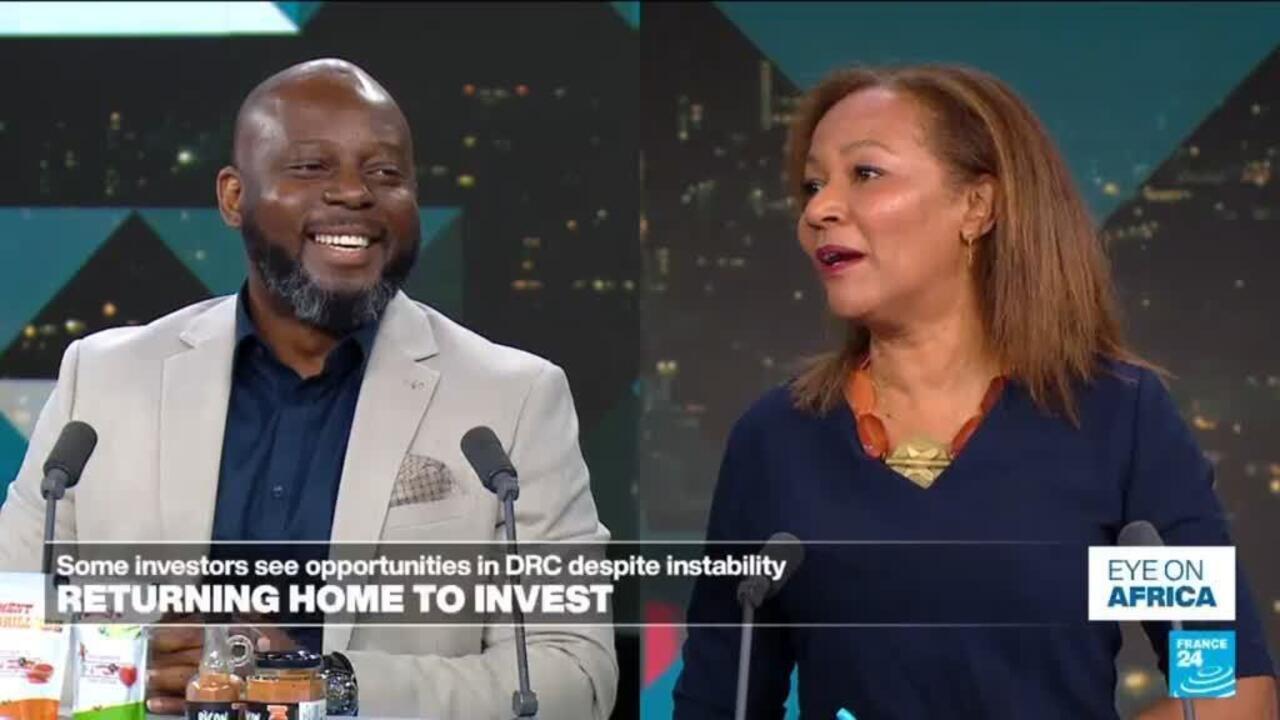
While international attention remains fixed on the security challenges in eastern Democratic Republic of Congo (DRC) and a severe health crisis, a segment of the Congolese diaspora is choosing to return and invest. Jean Luc Luboya Tshishimbi, chief executive of Bio Happy Farms, represents this group of entrepreneurs who view the current instability not as a deterrent, but as a backdrop for potential economic opportunity.
The investment activity occurs against a backdrop of significant regional risk. The DRC is currently experiencing ongoing conflict in its eastern regions, compounding existing governance and security challenges. Simultaneously, the country is grappling with a renewed Ebola outbreak that has drawn global scrutiny and emergency responses from international health bodies.
The World Health Organization (WHO) has declared the Ebola outbreak in the DRC and Uganda a Public Health Emergency of International Concern (PHEIC). The agency reported 600 suspected cases and 139 suspected deaths of the Bundibugyo species of Ebola across the two nations. Of these, 51 cases have been confirmed in the DRC and two in Uganda, with numbers expected to rise as surveillance continues.
The current outbreak began on 24 April in Bunia, Ituri province, where the first known case developed symptoms and subsequently died. The body of this initial case was later repatriated to Mongwalu, a gold-mining town that has since reported the majority of cases in the cluster. The WHO assessed the national and regional risk as high, although the global risk was rated as low.
Mr Tshishimbi’s decision to invest in Bio Happy Farms highlights a divergence between international risk assessments and local entrepreneurial sentiment. He cites opportunity as a key driver for his investment, suggesting that the diaspora perceives value in the market despite the volatile environment. This perspective stands in contrast to the prevailing narrative of instability that has dominated recent reporting on the region.
The return of diaspora capital indicates a complex dynamic within the DRC’s economic landscape. While the WHO and international media focus on the health emergency and security threats, local actors such as Mr Tshishimbi are engaging with the market on the ground. Their actions suggest that perceived opportunities may outweigh the immediate risks of conflict and disease for certain investors.
This trend of diaspora investment continues despite the lack of detailed data on the volume of returns or the specific nature of the opportunities cited by entrepreneurs. The anecdotal evidence provided by Mr Tshishimbi underscores a belief in the resilience of the Congolese economy, even as the government and international partners work to contain the Ebola outbreak and address security failures in the east.