DRC Bundibugyo Ebola outbreak reaches 5,290 cases as WHO urges major scale-up
The second-largest Ebola outbreak on record is being driven by insecurity and displacement, prompting calls for a two to three times increase in response capacity.
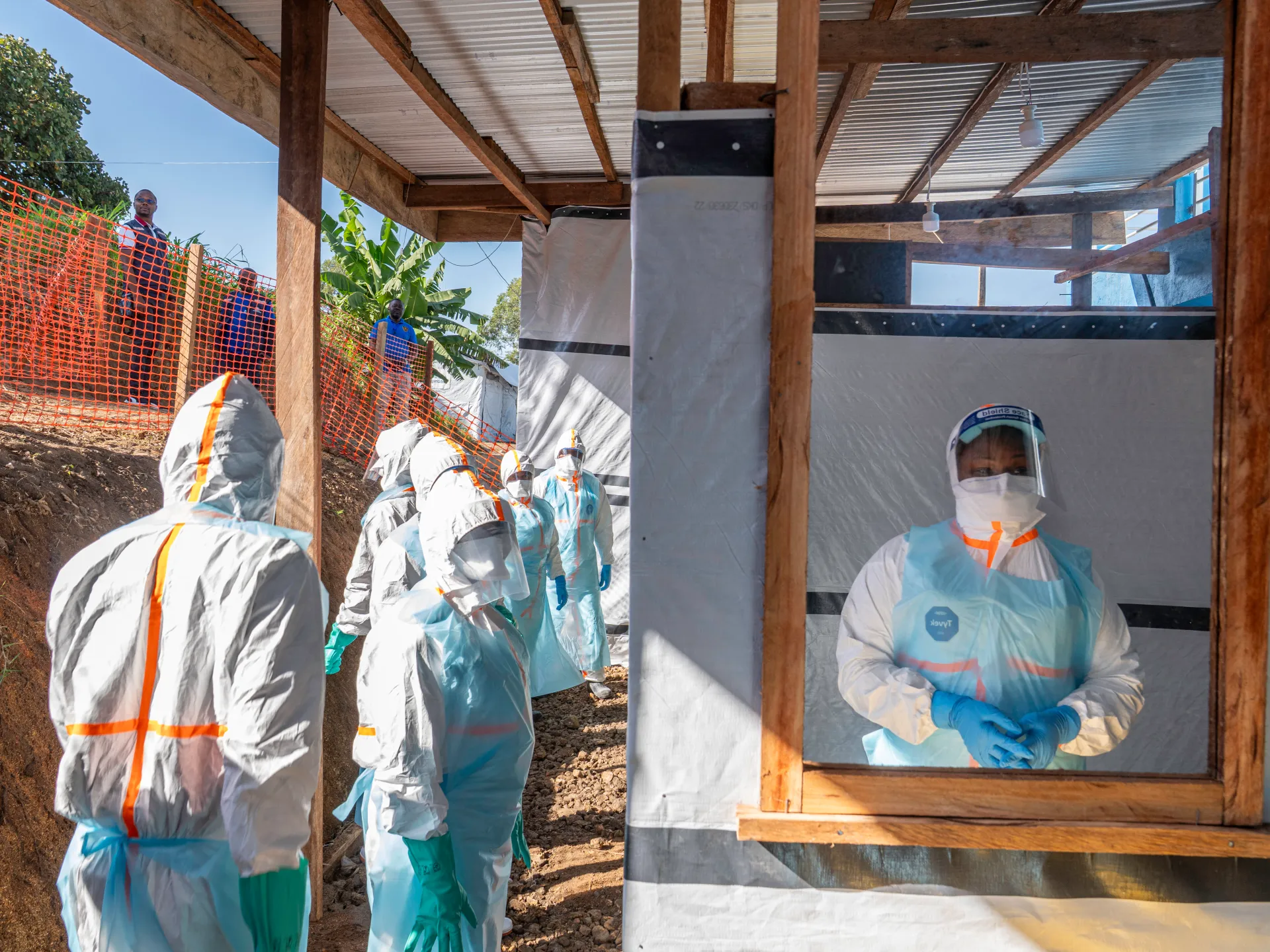
The Democratic Republic of the Congo (DRC) has reported 5,290 confirmed cases and 2,516 deaths across 56 health zones in its 17th Ebola outbreak, caused by the Bundibugyo virus. Declared 100 days ago, the emergency is now the second-largest Ebola outbreak ever recorded and is moving faster than any previous incident.
The outbreak is being fuelled by insecurity stemming from decades of armed conflict, which have undermined law, order, and social services while displacing more than a million people. This instability has created significant challenges for public health infrastructure, requiring a response that extends beyond clinical treatment to include broader governance and community engagement.
The World Health Organization (WHO) and Africa CDC have called for a two to three times scale-up in response capacity. They emphasise the need to protect frontline workers, expand surveillance, and strengthen cross-border coordination with neighbours. This recommendation follows the WHO’s declaration of a Public Health Emergency of International Concern and Africa CDC’s declaration of a Public Health Emergency of Continental Security.
Frontline health workers have borne a significant burden, with 158 infected and 45 dead as of 20 August. The agencies argue that the safety of these workers is central to stopping transmission, necessitating improved protective equipment, timely payment, and access to rapid diagnosis.
Despite the scale of the crisis, there are signs of progress. Neighbouring Uganda has interrupted locally acquired transmission of the virus, and several health zones in northern Ituri and South Kivu provinces in the DRC have also broken the chain of transmission. These successes highlight the effectiveness of rapid detection and decisive national leadership.
However, the continued emergency in the rest of Ituri province and five other provinces demands urgently scaled-up action. WHO and Africa CDC stress that donors must support integrated efforts rather than fragmented funding, ensuring that supplies and financial resources arrive before stocks run out.
The priority for the coming phase is to find every case, follow every contact, and break every chain of transmission. Success depends on sustained national leadership, continental solidarity, and international support to turn pledges into actionable policy.