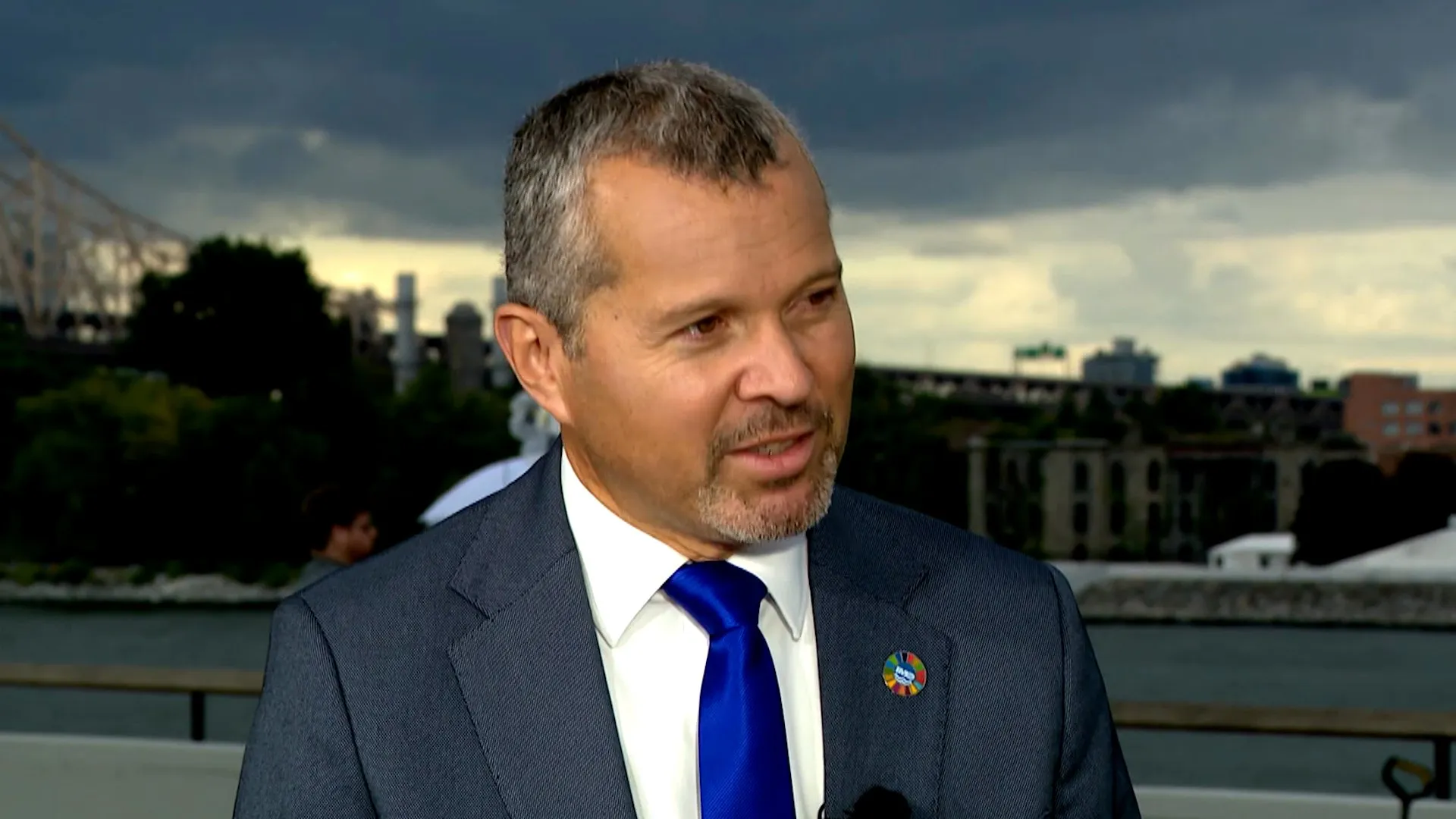
Draghi honoured for eurozone stability and EU competitiveness blueprint
German Chancellor Friedrich Merz cites Draghi’s crisis management and policy report as key reasons for the award, framing European unity as indispensable amid global geopolitical tensions.
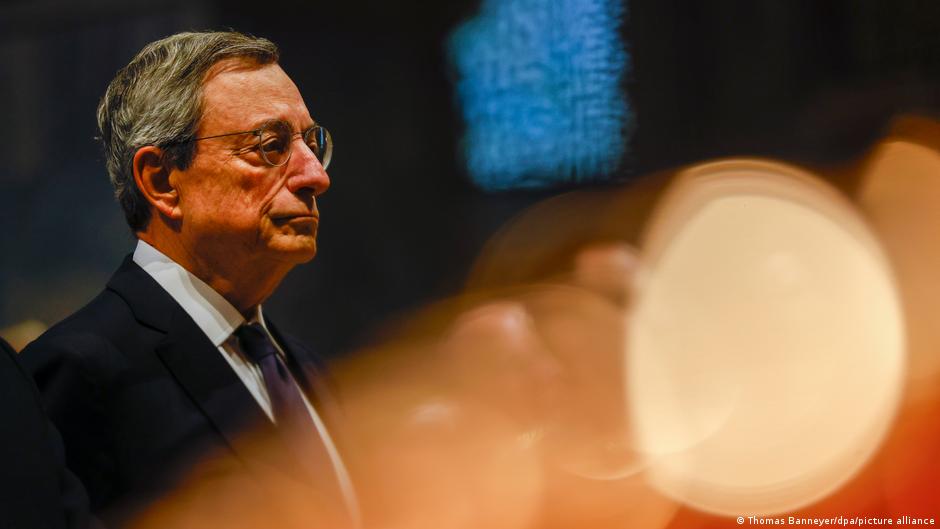
Former European Central Bank (ECB) chief Mario Draghi has been awarded the Charlemagne Prize for his contributions to European integration and economic stability. The ceremony took place in Aachen, western Germany, on May 14, where German Chancellor Friedrich Merz presented the honour to the Italian politician.
Chancellor Merz highlighted Draghi’s pivotal role in stabilising the eurozone during the debt crisis, leading Italy’s government during the pandemic, and publishing a comprehensive report on EU competitiveness. Merz noted that Draghi’s 2024 report, widely known as the Draghi Report, had pointed the way toward reform with its unsparing analysis of the continent’s economic challenges.
The Charlemagne Prize, established in 1950, honours individuals or institutions that have made outstanding contributions to European unity. It is awarded nearly annually in Aachen, a city that served as the seat of Charlemagne’s empire and remains a symbol of a united Europe. Previous recipients include Winston Churchill, Angela Merkel, and the 2023 laureates, Ukrainian President Volodymyr Zelensky and the Ukrainian people.
Draghi’s career has spanned academia, the World Bank, and Goldman Sachs, before he served as Governor of the Bank of Italy from 2006 to 2011. He was appointed head of the ECB in 2011, a period marked by the global financial crisis and subsequent European debt turmoil. During his tenure, he became known for his commitment to the single currency, famously stating the ECB would do whatever it takes to save the euro.
In 2015, the ECB initiated a quantitative easing program under Draghi’s leadership to combat low inflation and weak growth. While the program injected money into the economy, critics argue it kept interest rates too low for too long and reduced incentives for some governments to pursue structural reforms. Francesco Papadia, a senior fellow at the Brussels-based think tank Bruegel, described the overall balance of Draghi’s ECB tenure as strongly positive.
After leaving the ECB in 2019, Draghi returned to Italy to form a government during a COVID-19 and political crisis. He served as Prime Minister for 20 months from 2021 to 2022 before resigning and handing power to Giorgia Meloni. His subsequent publication of the Draghi Report in 2024 included 383 recommendations to reverse declining productivity and close the competitiveness gap with the US and China.
The board responsible for the Charlemagne Prize stated that Draghi had proven exceptional leadership skills in rescuing the euro and devising a future agenda for the continent. The award is viewed as a timely reminder of the indispensability of European unity, particularly given the ongoing wars in Ukraine and Iran, and strained relations between the US and much of the world.
Papadia told Deutsche Welle that the Draghi Report has rightly become the blueprint for helping the EU surpass its economic limitations. The report calls for decisive action, including cross-border collaboration, investment in advanced technologies like AI and semiconductors, and the integration of capital markets.