DR Congo’s World Cup Return Echoes 1974 Political Trauma
The 1974 campaign under Mobutu Sese Seko was marked by death threats and match-fixing, a stark contrast to the modern game’s governance structures.
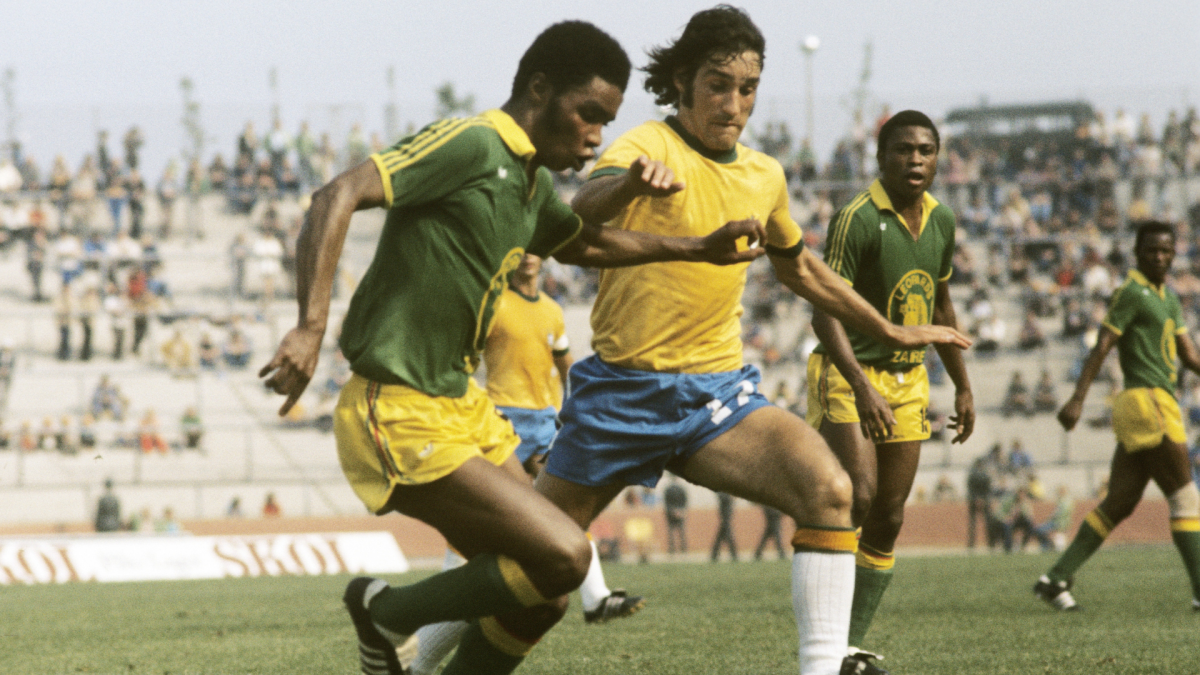
The Democratic Republic of Congo is set to make its second appearance at the FIFA World Cup in 2026, concluding a 52-year absence since its debut in 1974 when the nation was known as Zaire. The upcoming tournament serves as a historical marker, revisiting an era where political interference in sport was not merely a backdrop but a direct determinant of athletic outcomes. The 1974 campaign remains one of the most politicised tournaments in history, characterised by severe authoritarian control and the tangible threat of violence against players and their families.
The political landscape of the time was shaped by the regime of Mobutu Sese Seko, who seized power in a 1965 coup and renamed the country Zaire in 1971. Viewing sport as a tool for regime legitimisation, Mobutu personally facilitated the return of players from the Belgian league, including those from Mazembe, to bolster the national squad. Upon qualifying as the first Sub-Saharan African team to reach the finals, the players were promised substantial financial rewards by the dictator. However, these promises were quickly withdrawn following a 2-0 defeat to Scotland in the group stage, triggering immediate unrest within the squad.
Tensions escalated during the match against Yugoslavia, where unpaid wages and political pressure led the team to go on strike. After conceding three goals in the first 18 minutes, the players’ disengagement resulted in a 9-0 loss. The situation reached a critical point before the final group match against Brazil, when Mobutu flew to West Germany to deliver an ultimatum: the squad and their families would not return home safely if they lost by more than three goals. This threat transformed the sporting contest into a matter of survival.
In the 85th minute of the match against Brazil, with the score at 3-0, Zaire defender Ilunga Mwepu deliberately kicked the ball away from a free-kick situation to provoke a red card. For decades, this incident was misinterpreted as a misunderstanding of the rules, but a 2014 interview with Mwepu clarified the act as a desperate measure of self-preservation. Mwepu stated that players had been threatened with imprisonment in a "dungeon" if they refused to play, and the red card was intended to remove him from the pitch and avoid the risk of conceding further goals that would trigger the dictator’s wrath.
The 1974 World Cup was defined by such intersections of state power and sport. In the same tournament, East Germany defeated West Germany in a group stage match that reflected Cold War divisions, while Chile qualified for the finals via a walkover against the Soviet Union. The Soviet Union had boycotted the playoff second leg after the 1973 coup in Chile, citing safety concerns at the Estadio Nacional, which had been used as a detention centre under General Augusto Pinochet’s new regime. These events underscore the extent to which governance and ideology shaped the sporting landscape of the 20th century.
As DR Congo prepares for 2026, the historical context of its 1974 participation offers a sobering reminder of the vulnerabilities inherent in the relationship between sport and authoritarian governance. The legacy of that tournament, marked by the humiliation of a 9-0 defeat and the fear of political retribution, stands in sharp contrast to the institutional frameworks that now govern international football. The return of the team highlights the enduring impact of political instability on national identity and sporting achievement.
The aftermath of the 1974 World Cup saw Mobutu lose interest in the national team, pivoting instead to organise the "Rumble in the Jungle" boxing match between Muhammad Ali and George Foreman in October 1974. This shift further illustrated the use of sport as a distraction from political failures. The 1974 tournament remains a case study in how political pressures can override athletic integrity, a lesson that continues to resonate in discussions about the role of politics in global sport.