DR Congo Ebola outbreak may have circulated undetected for months
Retrospective evidence suggests Bundibugyo ebolavirus may have spread in the Democratic Republic of Congo weeks before the outbreak was declared.
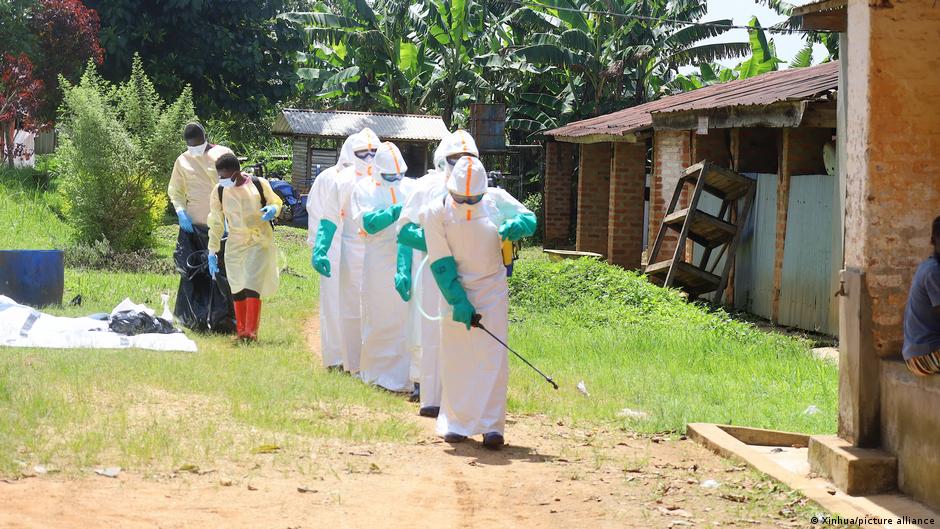
The Democratic Republic of Congo declared a Bundibugyo ebolavirus outbreak on 15 May, but evidence reviewed by Deutsche Welle suggests transmission may have begun months earlier. The precise start date remains uncertain, with most reported cases located in Ituri Province.
The first known case identified retrospectively was a health worker from Mongbwalu who developed symptoms around 24 or 25 April and later died at a medical centre in Bunia. The World Health Organization said it was notified on 5 May of an unknown disease associated with high mortality in the Mongbwalu Health Zone. Testing by the National Institute for Biomedical Research confirmed the Bundibugyo variant before the official declaration.
Africa Centres for Disease Control and Prevention officials raised concerns about the response timeline. The agency said roughly three weeks passed between the onset of symptoms in the suspected index case and laboratory confirmation, indicating low initial clinical suspicion and potentially allowing wider geographic spread before containment began.
Reports gathered by Deutsche Welle said residents had reported suspicious deaths in Mongbwalu from late April. A Red Cross report dated 16 May recorded widespread fear and Ebola-like symptoms in the area since 30 March, including high fever, exhaustion, vomiting and nosebleeds. The available evidence does not conclusively link those earlier deaths to Bundibugyo virus.
A study by the US Centers for Disease Control and Prevention, published on 11 June, found that animal-to-human transmission between mid- and late February was plausible. Mohamed Janabi, the WHO’s Regional Director for Africa, later said genome sequencing suggested the outbreak may have begun as early as February 2026. He also told Deutsche Welle that authorities had accessed only about one-third of patients over three months.
Earlier infections were reportedly attributed to more common diseases, including malaria and typhus. Research into previous Ebola outbreaks in north-eastern Congo has also indicated that unusual livestock deaths may provide an earlier warning of disease emergence, although that research does not cover the 2026 outbreak.