DR Congo confronts lethal Ebola strain with no vaccine as death toll climbs
The World Health Organization is airlifting medical supplies to Kinshasa as the outbreak, centred in Ituri province, claims its first international victim in Uganda.
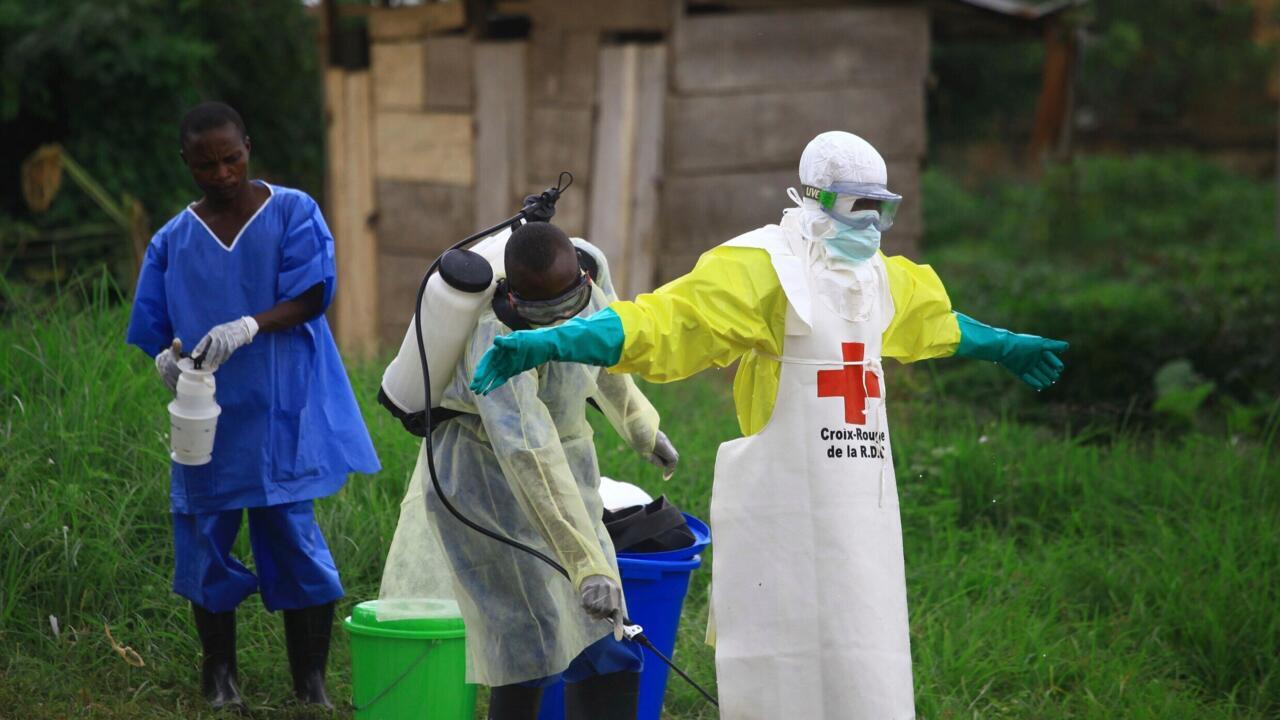
The Democratic Republic of Congo has confirmed a new Ebola outbreak driven by the Bundibugyo strain, a variant that poses significant governance and public health challenges due to the absence of a vaccine or specific treatment. Health Minister Samuel-Roger Kamba warned during a press briefing in Kinshasa that the strain carries a lethality rate of up to 50 per cent, complicating containment efforts in a region already strained by infrastructure deficits.
As of Saturday, the outbreak has resulted in at least 246 suspected cases and 80 deaths, a sharp increase from the 65 fatalities reported the previous day. The virus, which first manifested in a nurse reporting to a health facility in Bunia on April 24, has spread through Ituri province in the northeast, an area bordering Uganda and South Sudan. Officials have cited significant cross-border population movements as a primary vector for the rapid transmission of the haemorrhagic fever.
The crisis has extended beyond national borders, with one death confirmed in neighbouring Uganda. A 59-year-old DRC national died in Kampala after being admitted earlier in the week; his body was repatriated and subsequent tests confirmed infection with the Bundibugyo strain, first identified in 2007. This cross-border transmission underscores the difficulties in managing outbreaks in regions with porous borders and limited surveillance capacity.
Vaccines currently available are effective only against the Zaire strain, which was identified in 1976. The lack of immunisation tools for the Bundibugyo variant leaves health authorities relying on infection prevention gear and isolation protocols. The World Health Organization (WHO) is preparing to airlift approximately five tonnes of material, including protective equipment, to Kinshasa to support these containment measures.
Jay Bhattacharya, acting director of the US Centers for Disease Control and Prevention, described the outbreak as "large," reflecting concerns over the scale of transmission in affected communities. The WHO noted that while the incubation period can last up to 21 days, the virus is only contagious once symptoms such as fever, haemorrhaging, and vomiting appear. The current crisis marks the 17th Ebola outbreak in the DRC, following a previous episode last August that killed at least 34 people before being declared eradicated in December.