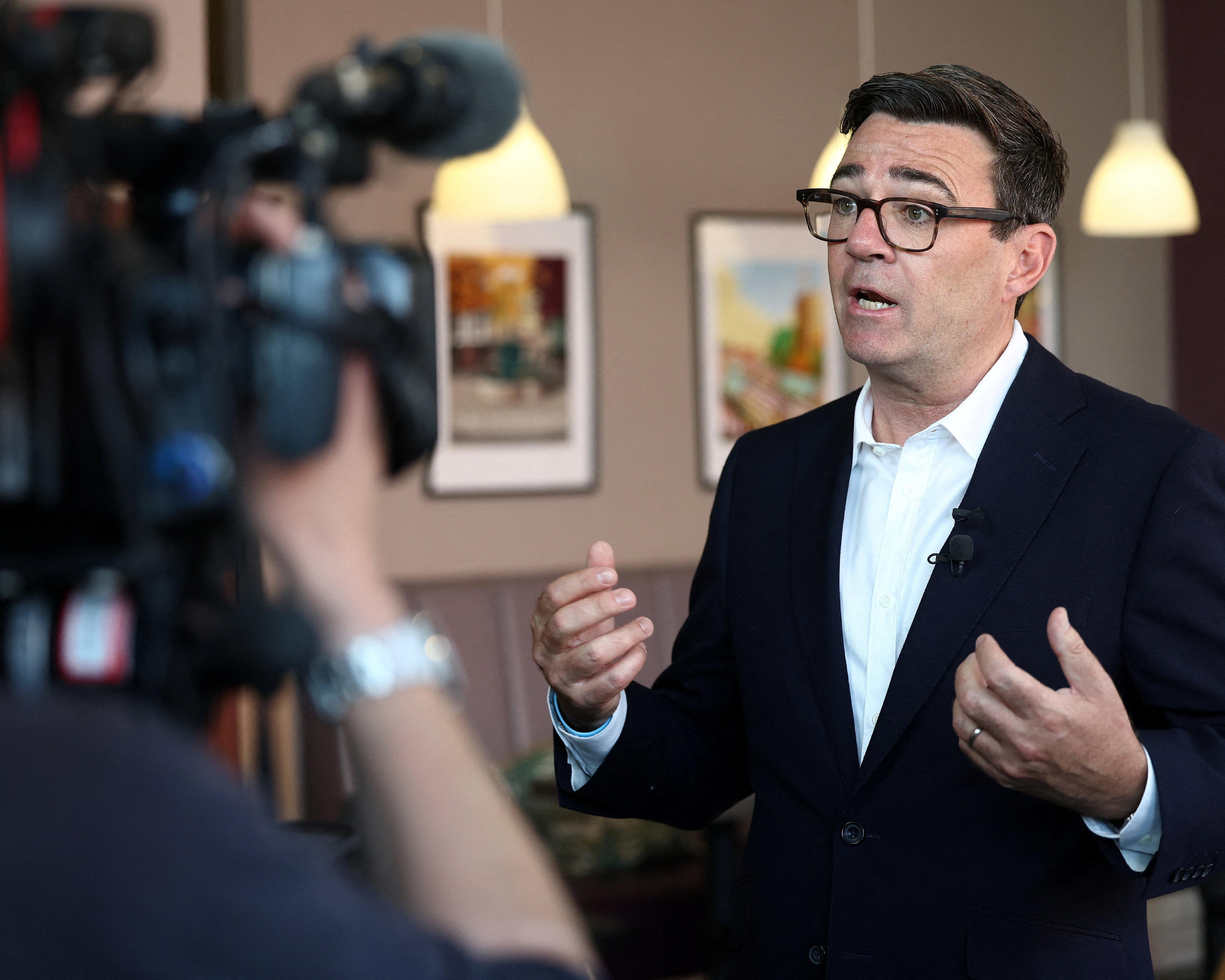
Downing Street launches public preparedness campaign amid updated national risk register
Chief Secretary to the Prime Minister Darren Jones cites climate change, artificial intelligence, and global conflicts as drivers for the new measures, including a major 2027 home defence exercise.
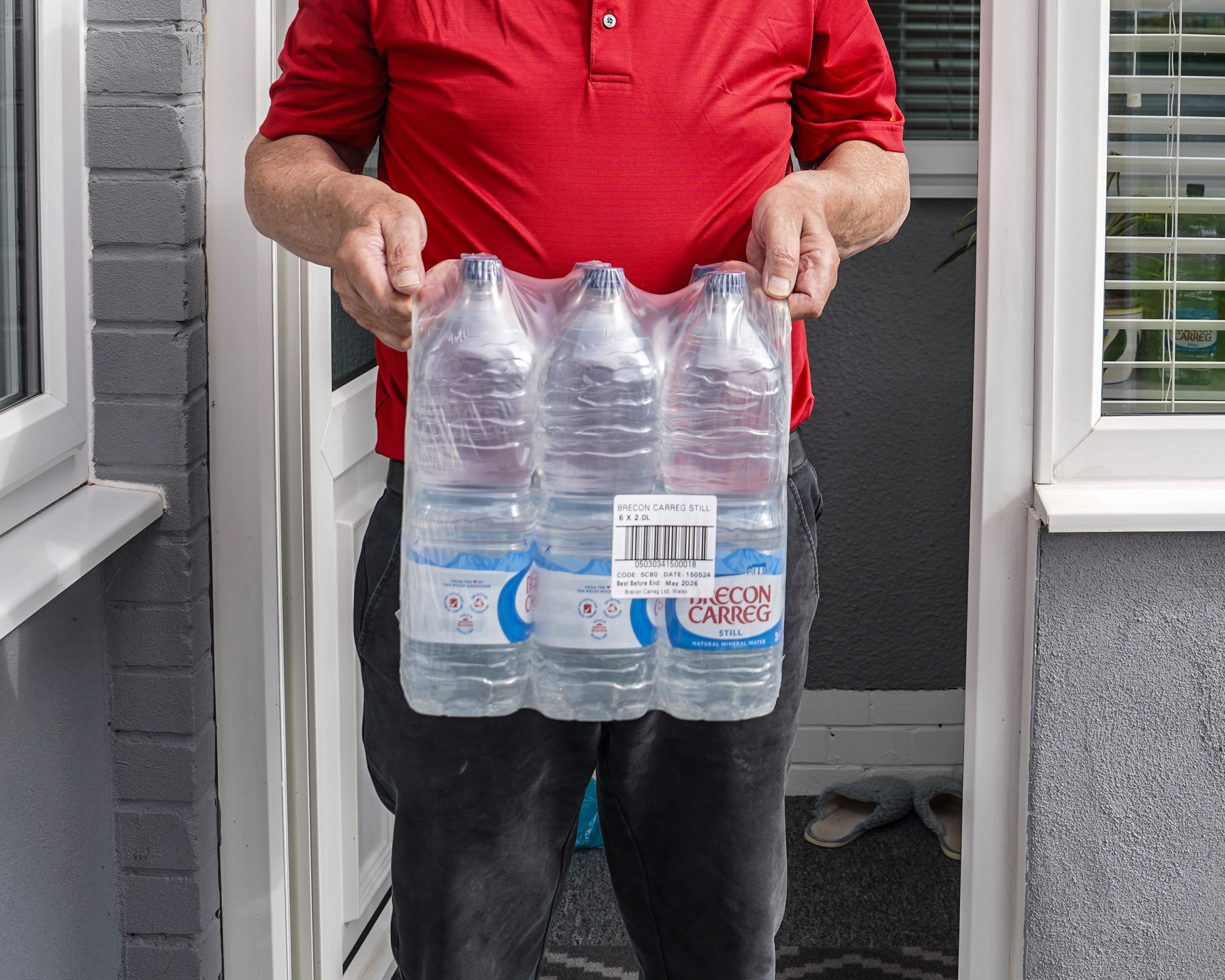
Downing Street has announced a national public awareness campaign urging Britons to take small steps to secure water, power, and phone signals in the event of severe weather, cyber-attacks, or other national crises. Chief Secretary to the Prime Minister Darren Jones cited risks from climate change, artificial intelligence, and global conflicts as drivers for updating the national risk register with seven new scenarios, including foreign interference and digital resilience failures. The government also confirmed a major national home defence exercise scheduled for 2027 to test preparedness against hybrid attacks and align with Nato allies.
Jones told MPs that the risks posed by climate change cannot be underestimated, warning of significant and prolonged disruption to essential services from extreme weather. He noted that record-breaking temperatures in May and June, with heatwaves in England and Wales during June’s peak killing approximately 440 people per day, underscore the urgency of the situation. The government aims to help the public cope with events that could impact access to power, water, phone signals, or local food supplies.
The updated national risk register reflects threats from sophisticated artificial intelligence and ongoing global conflicts, including the war in Ukraine and tensions in the Middle East. Jones warned that these factors could enable criminals to launch hostile cyber-attacks against businesses and critical infrastructure. New scenarios include foreign interference in UK democracy, cyber-attacks on data, water, and police infrastructure, and a digital resilience failure modelled on the 2024 CrowdStrike disruption.
Armed Forces Minister Louise Sandher-Jones confirmed that Russia poses a direct threat to the UK homeland, necessitating updated war books and the 2027 exercise. She stated that these measures, along with the public awareness campaign, demonstrate the seriousness with which the government is treating these threats. The exercise will involve hundreds of officials wargaming Britain’s preparedness for hybrid attacks in alignment with Nato allies.
A privately launched research project by the National Preparedness Commission suggested Britain is lagging behind European peers in stockpiling critical medicines and called for revised planning approaches. Ministers were previously warned that vital supply chains were unprepared for major shocks, such as a war with Russia, and that bold steps were needed to catch up with worst-case scenario planning by European states.