Dolly Parton’s deliberate flamboyance defined a new vision of femininity
Following the country star’s death, a profile in The Guardian examines how her rhinestone-encrusted aesthetic subverted traditional tropes and became a central pillar of her cultural legacy.
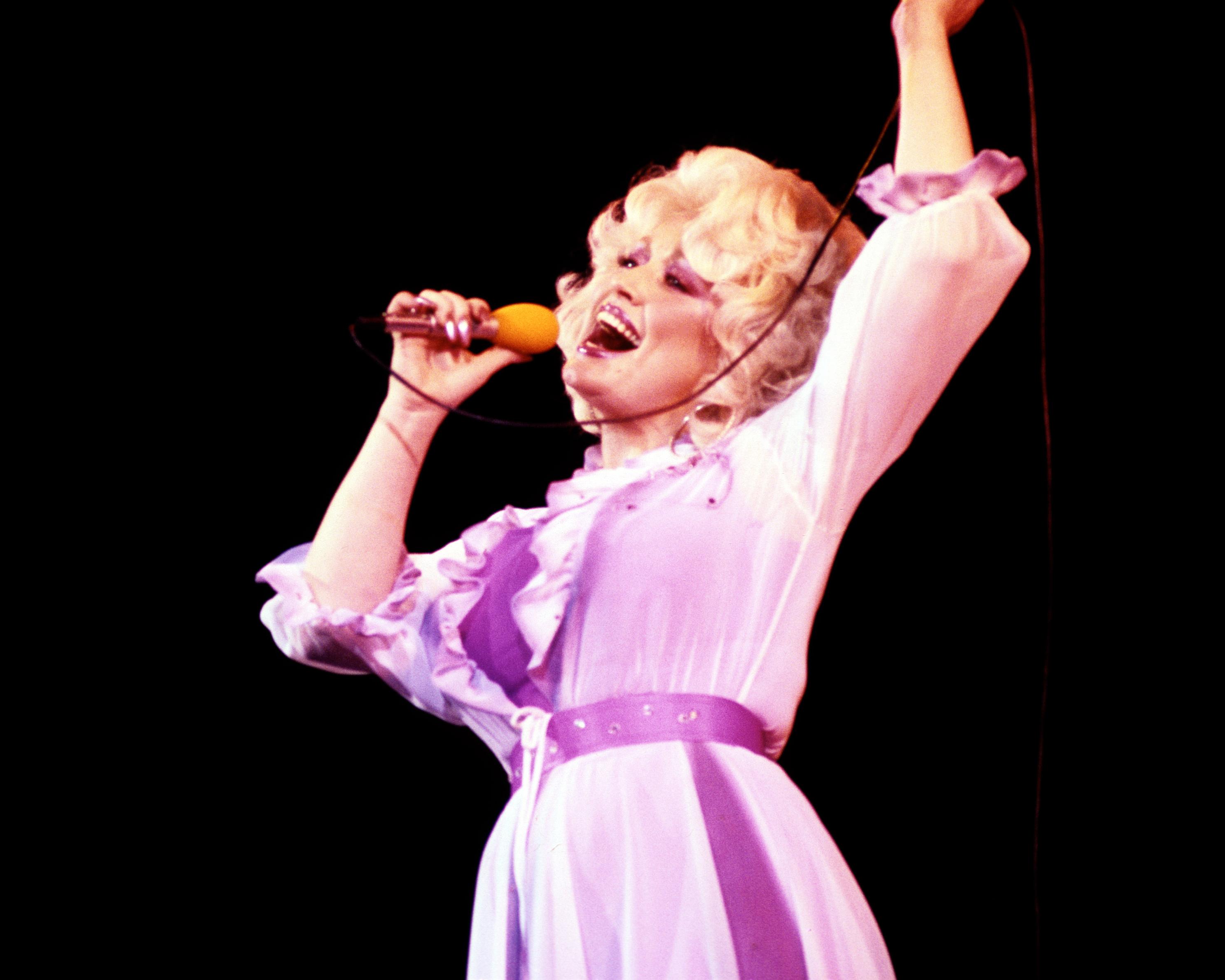
The death of Dolly Parton, the country star, actor, and philanthropist, at the age of 80 has prompted a fresh examination of her distinctive fashion aesthetic. In a tribute profile, The Guardian details how Parton’s voluminous hair and rhinestone-festooned outfits were not merely decorative but essential to her fame. Her look allowed her to subvert traditional tropes of femininity and country music, creating an image as recognisable as Coca-Cola while challenging the norms of her industry.
Parton’s style was deeply rooted in her rural upbringing in Sevier County, Tennessee, where she grew up in poverty as one of 12 children. She modelled her appearance on a local woman described as the “town tramp,” who possessed a glamorous appeal that stood out against the backdrop of domestic labour. Parton recalled admiring the woman’s bright red lipstick, high-heeled shoes, and short skirts, deciding early on that she would emulate that flamboyant presence despite the disapproval of her sharecropper father and preacher grandfather.
Despite self-deprecating remarks such as “It costs a lot of money to look this cheap” and “I’m not a fashion icon; I’m an eyesore,” her aesthetic was highly deliberate. In 2020, Parton described her style to Allure as “gaudy, flamboyant, fun, comfortable – for me – noticeable.” This consistency was maintained even when prevailing trends shifted, from the bedazzled jumpsuits of the 1970s to the shoulder pads of the 1980s, which she would “Dolly-ize” with her own personal spin.
The path to this iconic look was not without resistance. In her 2023 book, Behind the Seams: My Life in Rhinestones, Parton noted that her appearance was a bone of contention at the start of her career. Fred Foster, the boss of Monument Records, initially wanted to flatten her hair and change her style into a 1960s pop look. Parton resisted, feeling “naked” in streamlined clothes and asserting that she had something more to sell than just her appearance.
Designer Steve Summers, creative director of the Dollywood atelier, confirmed that Parton was the primary architect of her image. “Dolly created the image,” Summers stated. “She laid out all the ground rules. I just followed them.” As a woman of five feet, Parton used high heels and ever-mushrooming hair to “fill her space,” amassing a collection of hundreds of wigs that she joked about constantly.
While her look often led people to underestimate her, it ultimately became a commercial advantage. Parton noted that by the time observers thought she did not know what was going on, she had already secured the money and moved on. Her style, which launched thousands of drag impressions, broadened her appeal beyond the serious country scene while maintaining a sincerity that resonated with audiences.