Dollar surges to 40-year yen low as Iran tensions reignite inflation fears
Rising oil prices and geopolitical instability in the Middle East have driven the US dollar to its strongest weekly performance since mid-June, while the Japanese yen languishes at multi-decade lows despite Tokyo’s intervention warnings.
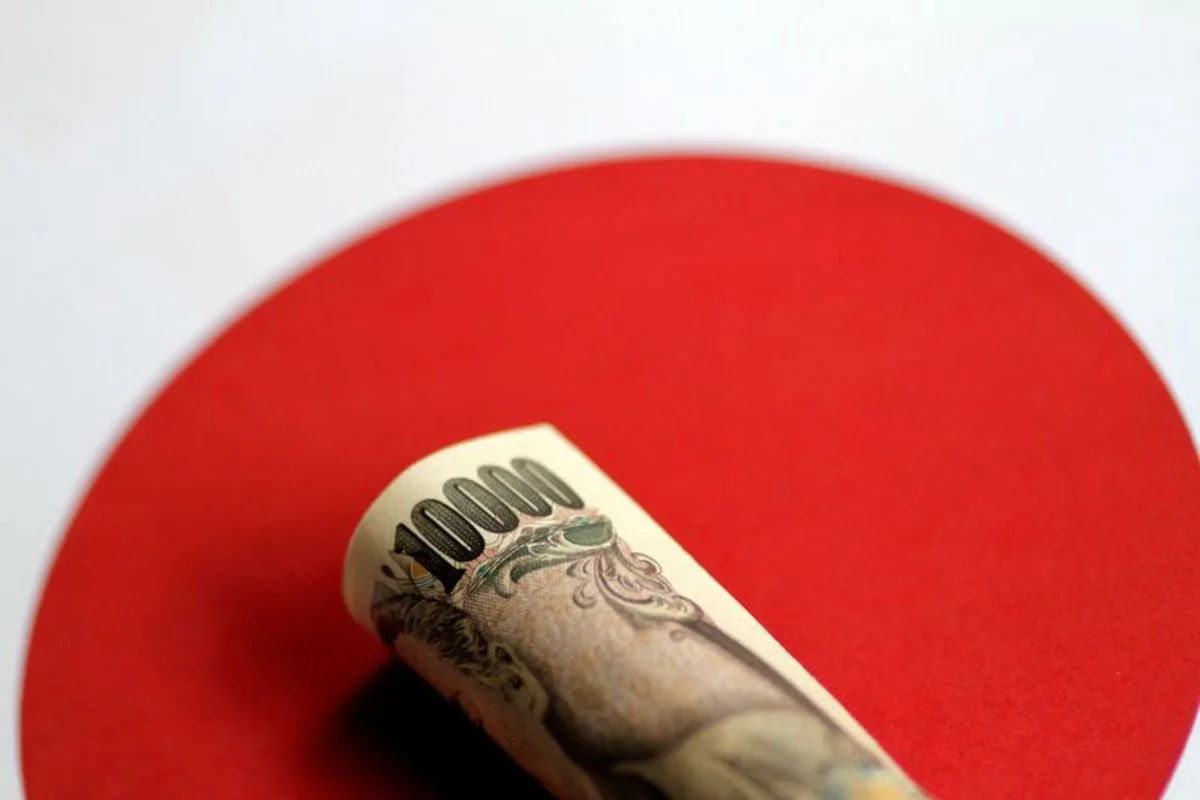
The US dollar recorded its strongest weekly performance since mid-June, rising approximately 0.7% against a basket of currencies, while the Japanese yen suffered its largest weekly percentage decline in over two months. The greenback reached its strongest level against the yen since November 1986, hitting 163.98 on Thursday before closing the week near 163.81. This shift has been driven by rising oil prices and renewed conflict in Iran, which have buoyed the dollar while weakening the yen, viewed as a low-yielding currency vulnerable to terms-of-trade shocks.
Market expectations for a US Federal Reserve rate hike at its next meeting have increased to 35.8%, up from 12.8% a week ago, due to rekindled inflation fears. Although the Fed is expected to hold rates steady at its upcoming meeting, Michael Feroli, chief US economist at J.P. Morgan, noted that he expects at least two hawkish dissents as some committee members lose patience with above-target inflation. The US economy is seen as more insulated from energy price shocks compared with Europe and Japan, further supporting the dollar’s strength.
Japan’s Finance Minister Satsuki Katayama reiterated the government's readiness to take action in the foreign exchange market, though such verbal efforts have had muted results. The US Treasury Department joined calls for rate hikes by the Bank of Japan, warning that excessive currency volatility was undesirable. However, markets have completely priced out any chance of a rate hike from the BOJ at its policy meeting next week, according to LSEG data.
Thierry Wizman, global FX and rates strategist at Macquarie Group, explained that the yen is the natural target in these conditions as a low-yielding currency facing a terms-of-trade shock with higher oil prices. "It's not surprising that dollar-yen has gone up under the conditions that we're facing," Wizman said, noting that the thesis for the pair's strength has been supported since the Iran war began and oil prices rose.
Meanwhile, the European Central Bank left interest rates unchanged but kept the possibility of a September hike alive, with traders pricing in a 70.8% chance of a hike. The euro slipped 0.06% to $1.1369, down nearly 0.6% for the week. US crude oil fell 3.47% to $88.99 a barrel, and Brent crude dropped 4.12% to $96.48 per barrel, retreating from a two-month high of $102 hit on Thursday.