Dogue’s canine covers outshine Vogue’s human stars in September issue showdown
As criticism mounts over airbrushed and context-free human covers, the world’s first dog fashion magazine finds acclaim for its authentic and charming subjects.
The September issues of major fashion publications have sparked a distinct divide in public reception, with the canine-focused magazine Dogue receiving widespread praise while its human counterparts, British Vogue and Vogue US, face scrutiny. The September issue is traditionally considered the most significant of the year, with covers expected to convey a special narrative or cultural statement. In this year’s release, the contrast between the celebrated authenticity of Dogue’s subjects and the perceived homogeneity of human aesthetics has become a focal point for cultural commentary.
British Vogue’s cover features Nicole Kidman, photographed by Venetia Scott. The image has sparked online debate regarding excessive airbrushing and agelessness, with some observers questioning whether the appearance of the 59-year-old actor is an AI-generated version. While many viewed the cover as a win for the representation of older women, others argued it presented her too agelessly. Celebrity stylist and Vogue contributor Marian Kwei noted that the cover ties into a wider phenomenon where everyone is looking similar, referencing New Yorker writer Jia Tolentino’s 2019 description of the “Instagram face” or “single, cyborgian face” trend, which has intensified over the past seven years.
Vogue US’s September cover, the first under new editor Chloe Malle, features actors Kaia Gerber and Homer Gere, photographed by Steven Meisel and styled by Spencer Singer. The duo, stars of the new Ryan Murphy series The Shards, have been critiqued for a lack of narrative context. Jacob Gallagher of The New York Times described the cover as having “about as much electricity as a JC Penney back-to-school catalog.” The choice of Gerber and Gere, whose parents are former supermodel Cindy Crawford and actor Richard Gere, has also drawn comparisons to a 1992 Vogue cover shot by Herb Ritts featuring their then-married parents. Kwei argued that the 1992 cover had context and storytelling, whereas the new cover feels “a little soulless” and lacks the necessary depth.
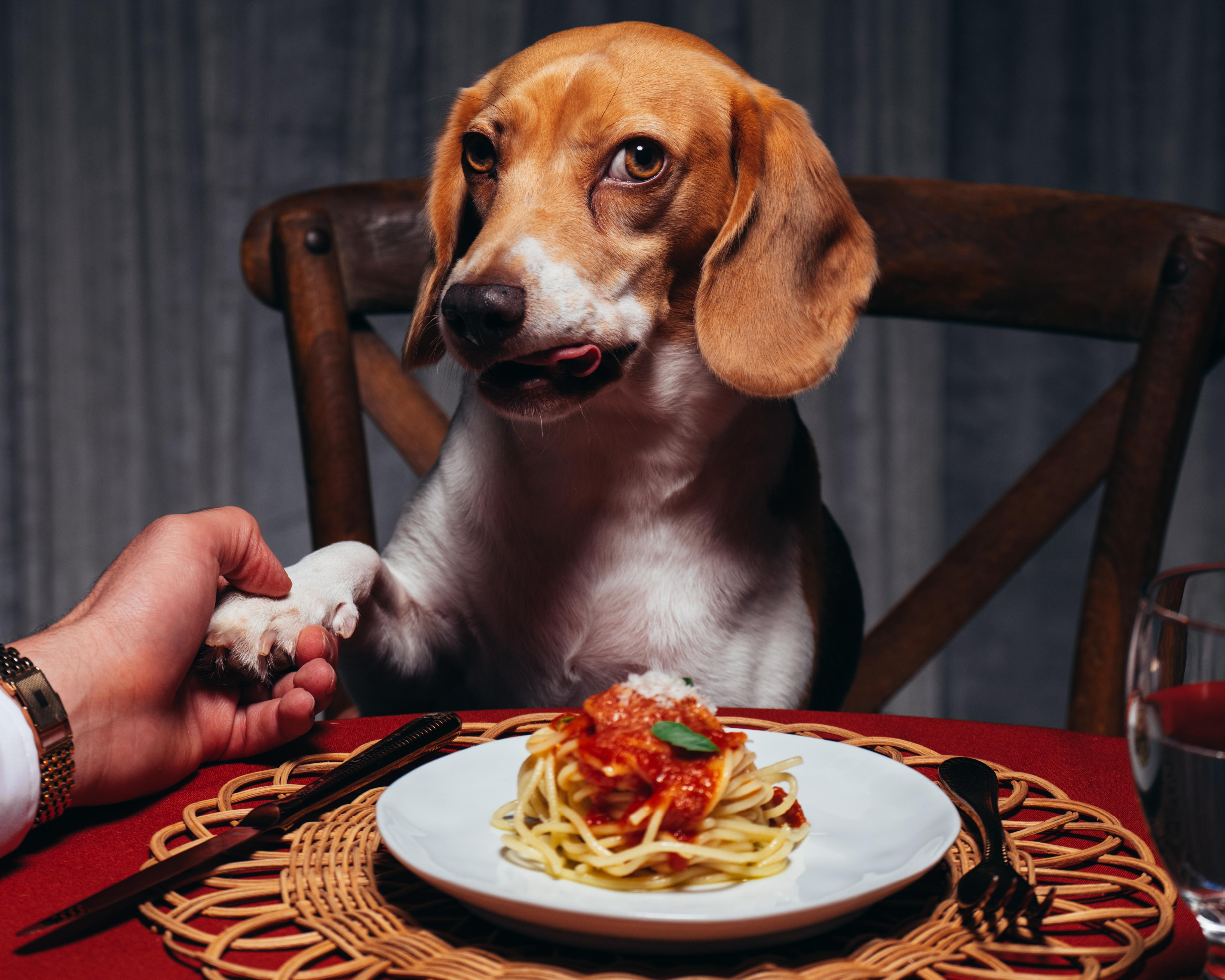
In contrast, Dogue magazine’s September covers have been almost unanimously celebrated for their charm and authenticity. The issue features Bad Bunny’s beagle Sansa Martínez Berlingeri, Lena Dunham’s Mexican hairless Ingrid and her Chinese crested Cornichon, and Millie Bobby Brown’s miniature poodle. The Bad Bunny cover, shot by Eric Rojas in a style reminiscent of the film Lady and the Tramp, depicts four-year-old Sansa staring winsomely at the camera with a bowl of spaghetti in front of her. This “internet-first” approach resonates with audiences fatigued by AI-generated imagery and the perceived politics of human fashion aesthetics.
Dogue was launched in 2019 by Oli Port as the world’s first dog fashion magazine. Port, who is currently in a legal dispute with Condé Nast over a version of the brand launched in 2024, believes dogs make perfect cover stars because they are authentic and lack the ego of humans. “Dogs don’t really care, they just want a good snack,” Port said. Social media expert Jen Golbeck noted that in an era of AI-generated content, dogs offer a comforting reality that exists outside the stressors of body politics and fashion trends.
The civilian Dogue cover contest winner this year is a dog named Sir Spud, whose owner Amina noted that each dog has a special, lovable personality. Sir Spud’s own email contribution to the magazine read: “We dogs exude love, l’élégance, and class from our paws to our snouts. We are natural stars and belong on the front page; seriously, have you seen me?”