Displaced families in Beirut express scepticism over Lebanon-Israel ceasefire
Months after fleeing fighting in eastern and southern Lebanon, displaced populations in the capital report feeling no safer and doubt the durability of the newly announced truce.
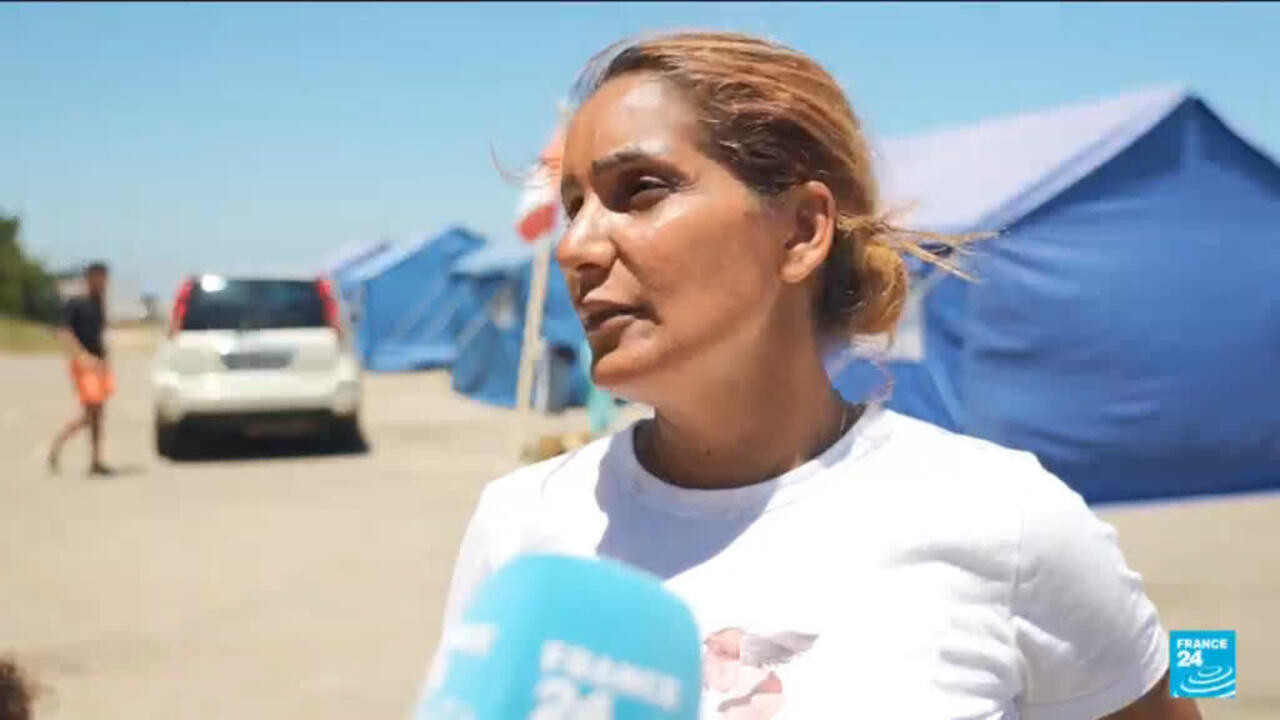
Thousands of displaced families continue to reside in makeshift camps across Beirut, months after fleeing conflict in eastern and southern Lebanon. Despite the official announcement of a ceasefire between Israel and Lebanon, residents in these temporary settlements report feeling no safer and express significant doubt regarding the longevity of the truce.
The displacement crisis stems from fighting that occurred in the eastern and southern regions of the country prior to the cessation of hostilities. According to a report by France 24 special correspondent Antonia Kerrigan on 5 June 2026, the announcement of the ceasefire has brought little comfort to those who have been forced to leave their homes.
Individuals in the makeshift camps have indicated that their sense of security has not improved since the truce was declared. The prevailing sentiment among these displaced persons is one of uncertainty, with many stating they have little confidence that the agreement will hold in the long term.
The situation underscores the challenges of returning to normalcy following the conflict. While the political announcement marks a formal end to the fighting, the lived experience of those displaced remains one of instability and apprehension.
The report, published by France 24 International, highlights the disconnect between the official cessation of hostilities and the immediate reality on the ground for vulnerable populations in the capital.