Diplomatic stalemate over Iran deal as Tehran disputes US claims on Strait control
Conflicting narratives emerge regarding the terms of a potential memorandum of understanding, with Washington citing progress while Iranian state media asserts sovereignty over the Hormuz chokepoint.
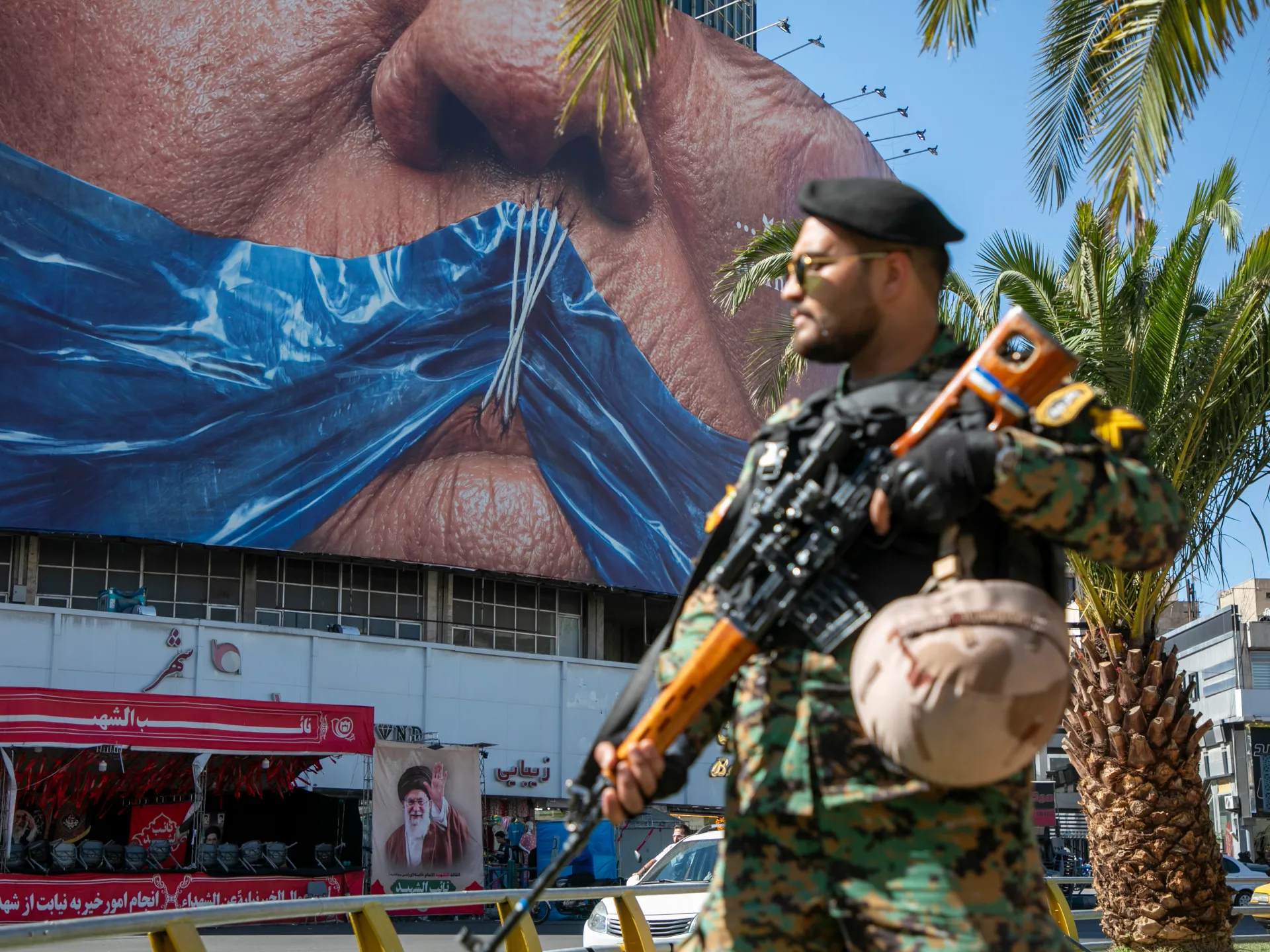
United States President Donald Trump has announced that a memorandum of understanding with Iran has been largely negotiated, signalling a potential resolution to the conflict that began in February. The proposed agreement aims to reopen the Strait of Hormuz, a critical global oil chokepoint that has remained closed since the United States and Israel launched military operations against Iran.
Pakistani Prime Minister Shehbaz Sharif, acting as the primary mediator in the diplomatic efforts, indicated that the next round of negotiations between Washington and Tehran would occur very soon. This development follows reports from Pakistani Foreign Minister Ishaq Dar on Sunday, who stated that meaningful progress had been achieved, suggesting that a positive and durable outcome is within reach.
Despite the optimism from mediation channels, significant discrepancies remain regarding the terms of the proposed deal. Iran’s Fars News Agency disputed Trump’s characterisation of the agreement, asserting that the draft terms would leave Iran in control of the Strait of Hormuz. The agency described the US President’s assertions as inconsistent with reality, highlighting a fundamental divergence in how the two parties view the proposed framework.
Further complicating the diplomatic landscape, Esmaeil Baghaei, a spokesperson for Iran’s Ministry of Foreign Affairs, described the proposal as a framework agreement establishing broad principles rather than a finalised treaty. Baghaei noted that detailed negotiations would need to take place over a 30 to 60-day window to resolve specific issues, including sovereignty and nuclear matters.
In response to the developing situation, Israeli Prime Minister Benjamin Netanyahu is expected to convene a security cabinet meeting to discuss the potential deal. The outcome of this meeting remains uncertain, as the final status of the memorandum of understanding is yet to be confirmed and further rounds of talks may be required to bridge the gap between the conflicting reports.