Diplomatic stalemate in Pakistan drives global oil prices higher as Strait of Hormuz remains closed
Brent crude climbs nearly two per cent to $107.26 a barrel while Washington halts mission to Islamabad
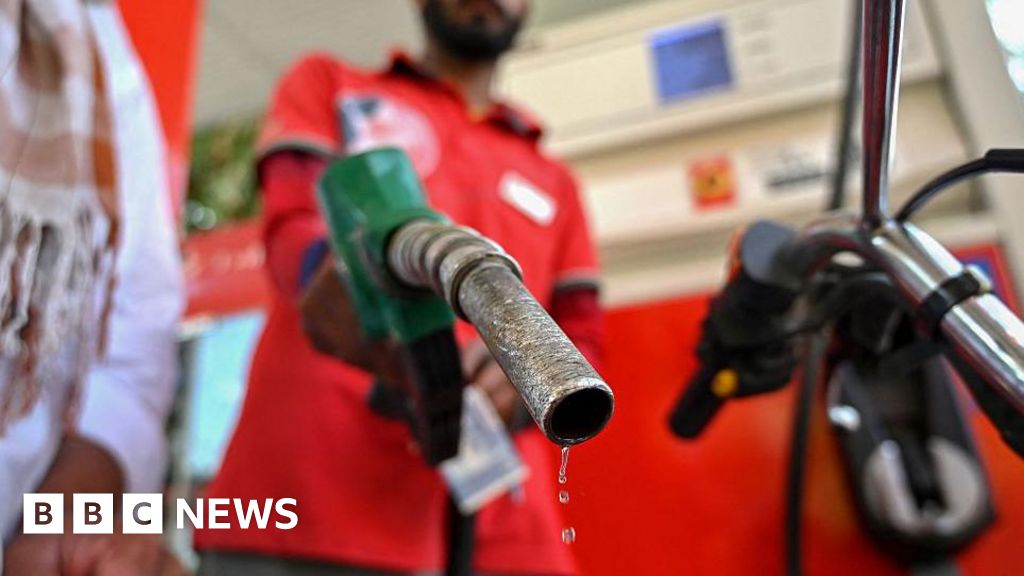
Global oil prices have surged following the cancellation of planned negotiations between the United States and Iran in Pakistan. President Donald Trump announced on Saturday that Washington had scrapped plans to send a delegation to Islamabad, a move that sent Brent crude rising by nearly two per cent to $107.26 a barrel. US-traded crude also climbed, increasing by one per cent to $95.40.
The decision to halt the diplomatic mission comes after President Trump cited internal disarray within the Iranian leadership as the primary reason for the cancellation. He stated on social media that there was "tremendous infighting and confusion" in Tehran and described the proposed trip as a waste of time, noting that no one in the Iranian government knew who held authority. Consequently, the administration deemed the mission futile, arguing that if Iran wished to negotiate, they could simply initiate contact via telephone rather than engaging in a physical delegation.
This diplomatic setback occurs against a backdrop where the Strait of Hormuz remains effectively closed due to the ongoing conflict, placing significant pressure on global energy supplies. Iranian Foreign Minister Seyed Abbas Araghchi confirmed on Sunday that discussions regarding bilateral matters and regional developments are continuing with Oman, focusing on ensuring safe transit through the waterway. Meanwhile, Minister Araghchi has travelled to St Petersburg to hold talks with Russian President Vladimir Putin on similar issues.
Analysts warn that the continued closure of the strait could have far-reaching consequences for the cost of essential goods beyond crude oil itself. Sophie Huynh, a portfolio manager and strategist at BNP Paribas, noted that the world consumes refined products rather than raw crude, meaning the shortage could impact prices ranging from medicine to consumer items. She cautioned that if the strait remains blocked for more than a few weeks, the effects on supply chains will be extensive.
Despite the geopolitical tension, Asian stock markets have continued to climb, with Japan's Nikkei 225 and South Korea's Kospi reaching record highs. These markets remain heavily reliant on Gulf energy supplies, yet traders appear less reactive to the immediate headlines. Goh Jing Rong, an economics lecturer from Singapore Management University, observed that investors are waiting for credible evidence that the conflict is easing rather than relying on fragile ceasefire agreements.
The latest developments follow a previous round of talks in mid-April which failed to yield a deal, leaving both nations entrenched in their positions. With the US extending a ceasefire to allow Tehran's leadership to present a unified proposal, the cancellation of the Pakistan mission signals a shift in the diplomatic approach. As the Strait of Hormuz stays closed, the economic implications of this diplomatic impasse are expected to intensify across global markets.