Diplomatic stalemate deepens as Washington rejects Tehran's peace terms
The rejection follows weeks of negotiations and comes amidst warnings from Tehran regarding retaliation and the strategic waters of the Strait of Hormuz.
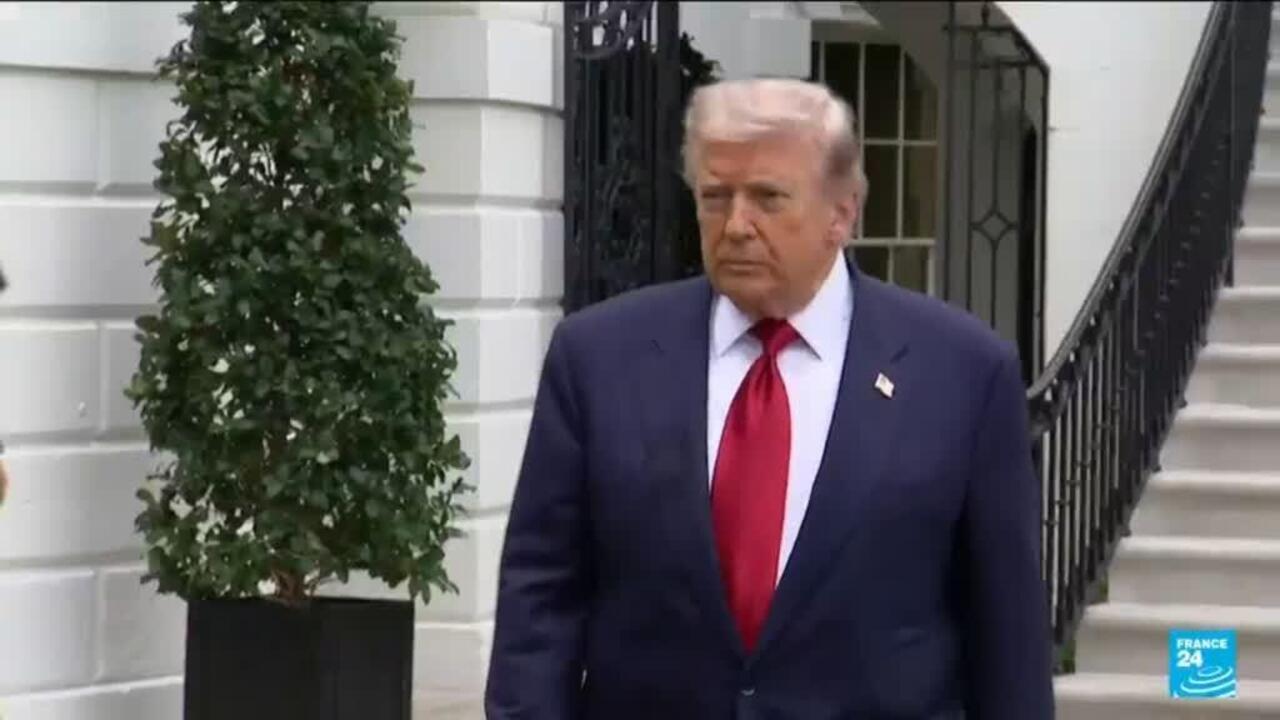
US President Donald Trump has formally rejected Iran's response to a recent peace proposal concerning the Middle East war, describing the terms offered by Tehran as totally unacceptable. This diplomatic rebuff, delivered on Sunday, marks a significant deterioration in relations after weeks of attempted negotiations between Washington and Tehran. The refusal to engage with the proposed framework suggests that the path toward a negotiated settlement has become increasingly obstructed, raising the prospect of renewed conflict.
The core of the impasse lies in the conditions set forth by Iran, which the US administration has deemed insufficient. In its response to the latest proposal, Tehran explicitly warned that it would not hold back from retaliating against any new US strikes. Furthermore, Iran stated it would not permit foreign warships to pass through the Strait of Hormuz, a critical maritime chokepoint that has long been a focal point of regional security concerns. These stipulations appear to be the primary drivers behind the US rejection of the offer.
The immediate aftermath of this rejection indicates a sharp escalation in regional tension. By dismissing the Iranian response so categorically, the US has left the diplomatic channel largely closed, increasing the probability of kinetic conflict resuming. The situation remains precarious as both sides appear entrenched in their positions, with the US administration unwilling to accept the current terms and Tehran unwilling to compromise on its strategic red lines regarding naval access and retaliation.
This diplomatic breakdown occurs against a backdrop of broader geopolitical volatility. While the focus remains on the US-Iran standoff, the wider international community is observing the potential for a wider war. The rejection of the peace proposal underscores the difficulty of resolving the conflict through dialogue, particularly when fundamental issues regarding military strategy and regional influence remain unresolved. The likelihood of further instability in the Middle East has consequently risen as negotiations have stalled.
In related developments, the broader geopolitical atmosphere remains tense, with other high-profile events proceeding despite the shadow of the Iran conflict. King Charles' state visit to the United States is continuing as planned, scheduled to include a private meeting with President Trump and an address to Congress. This diplomatic engagement aims to strengthen US-UK relations, even as differences over the Iran war persist. The juxtaposition of this state visit with the escalating tensions over the peace proposal highlights the complex and often contradictory nature of current international diplomacy.
The specific details of the Iranian response that were deemed unacceptable have not been fully detailed in public reports, leaving the exact nature of the disagreement somewhat opaque. However, the clear message from the White House is that the current proposal does not meet US requirements for ending the war. As the situation evolves, the international community watches closely to determine whether this stalemate will lead to immediate military action or if further prolonged negotiations might eventually bridge the widening gap between Washington and Tehran.