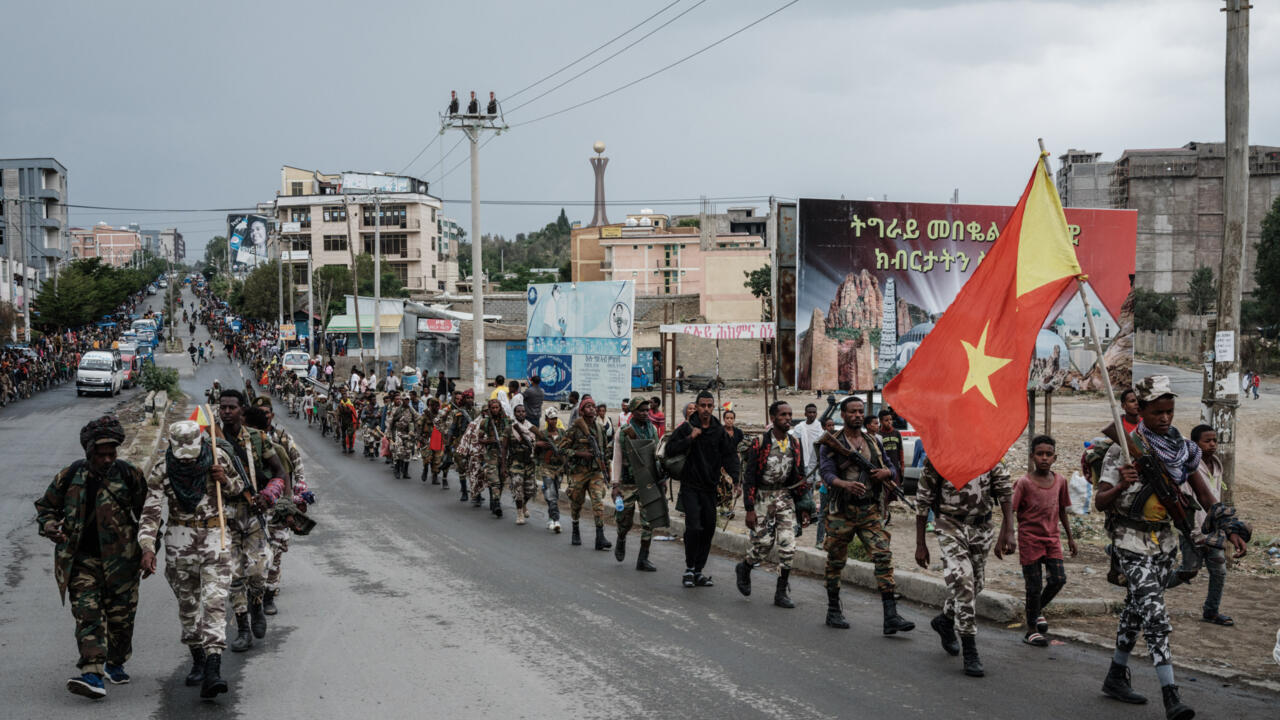
Diplomatic stalemate deepens as US and Iran fail to secure peace deal on 100th day of conflict
With the US-Israel war on Iran entering its fourth month, direct negotiations have fractured over uranium stockpiles and maritime access, leaving regional security in a precarious position.
Diplomatic efforts to end the US-Israel war on Iran have stalled on the 100th day of hostilities, which commenced with joint strikes on Tehran on 28 February 2026. Despite several near-misses, a comprehensive peace agreement remains elusive as key points of contention regarding Iran’s nuclear programme and the status of the Strait of Hormuz continue to derail negotiations.
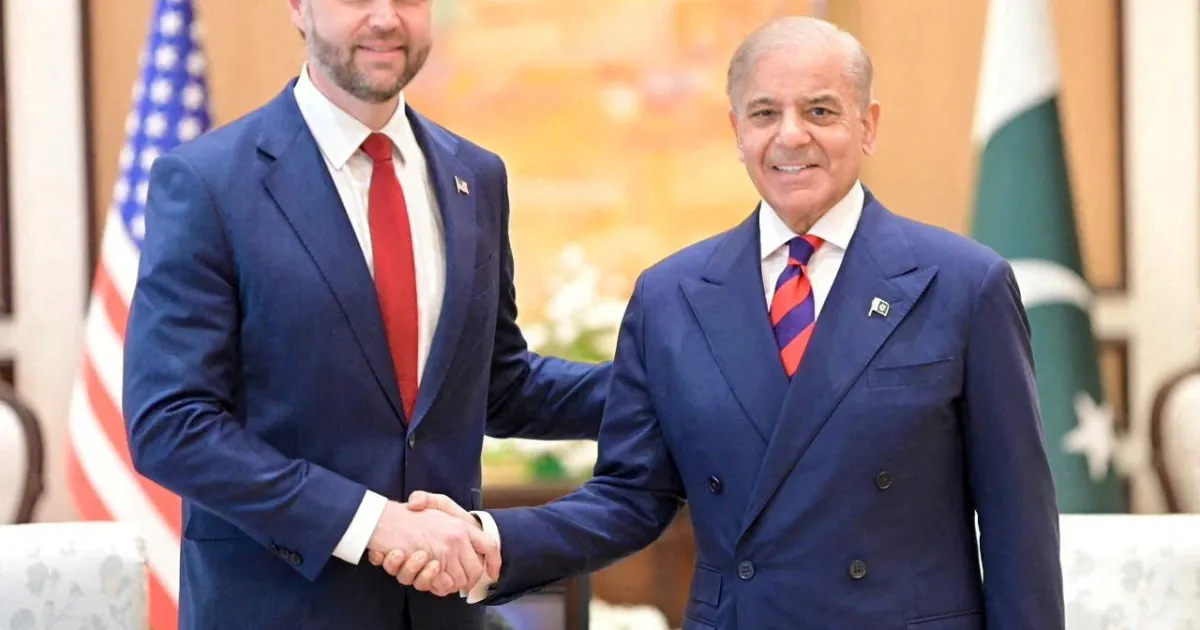
Direct talks held in Islamabad on 11 and 12 April collapsed after the US delegation withdrew, citing Iran’s refusal to accept a “final and best offer” concerning its nuclear activities. The US delegation, led by Vice President JD Vance, included Special Envoy Steve Witkoff and Jared Kushner. Iranian negotiators, including Foreign Minister Abbas Araghchi and Parliament Speaker Mohammad Bagher Ghalibaf, had previously stated that a ceasefire in Lebanon and the unfreezing of Iranian assets abroad were non-negotiable prerequisites for Tehran.
Vance stated after the talks that while Washington remained flexible, it had not received an affirmative commitment from Iran that it would not seek a nuclear weapon in the long term. Iran maintains its nuclear programme is for civilian purposes, yet it holds an estimated 440kg of uranium enriched to 60 per cent, a level significantly higher than the three to five per cent required for energy production and closer to weapons-grade material.
Subsequent hopes for a broader ceasefire were undermined by the maintenance of a US naval blockade of Iranian ports and continued Israeli military operations in Lebanon. Washington announced the blockade within four days of the Islamabad talks, aiming to curtail Tehran’s revenue from oil sales. Despite a brief announcement by Araghchi that the Strait of Hormuz was open for commercial vessels, Trump confirmed the blockade would remain in force until a deal was reached, prompting Iran to threaten reciprocal restrictions on shipping.
The conflict in Lebanon remains a critical flashpoint, with Iran viewing an end to hostilities there as a prerequisite for wider peace. Although a 10-day ceasefire was announced on 16 April following weeks of fighting between Israel and Hezbollah, Israeli strikes continued, resulting in further casualties and displacement. Analysts note that while progress has been made on certain issues, deadlock persists on others, particularly regarding the sequencing of nuclear concessions and the future trajectory of Iran’s enrichment capabilities.