Diplomatic stalemate and military escalation define Day 92 of regional conflict
Amidst a fragile ceasefire that began in April, conflicting signals from Washington and Tehran have left the prospects for a diplomatic resolution uncertain, while combat operations intensify along the Lebanese border.
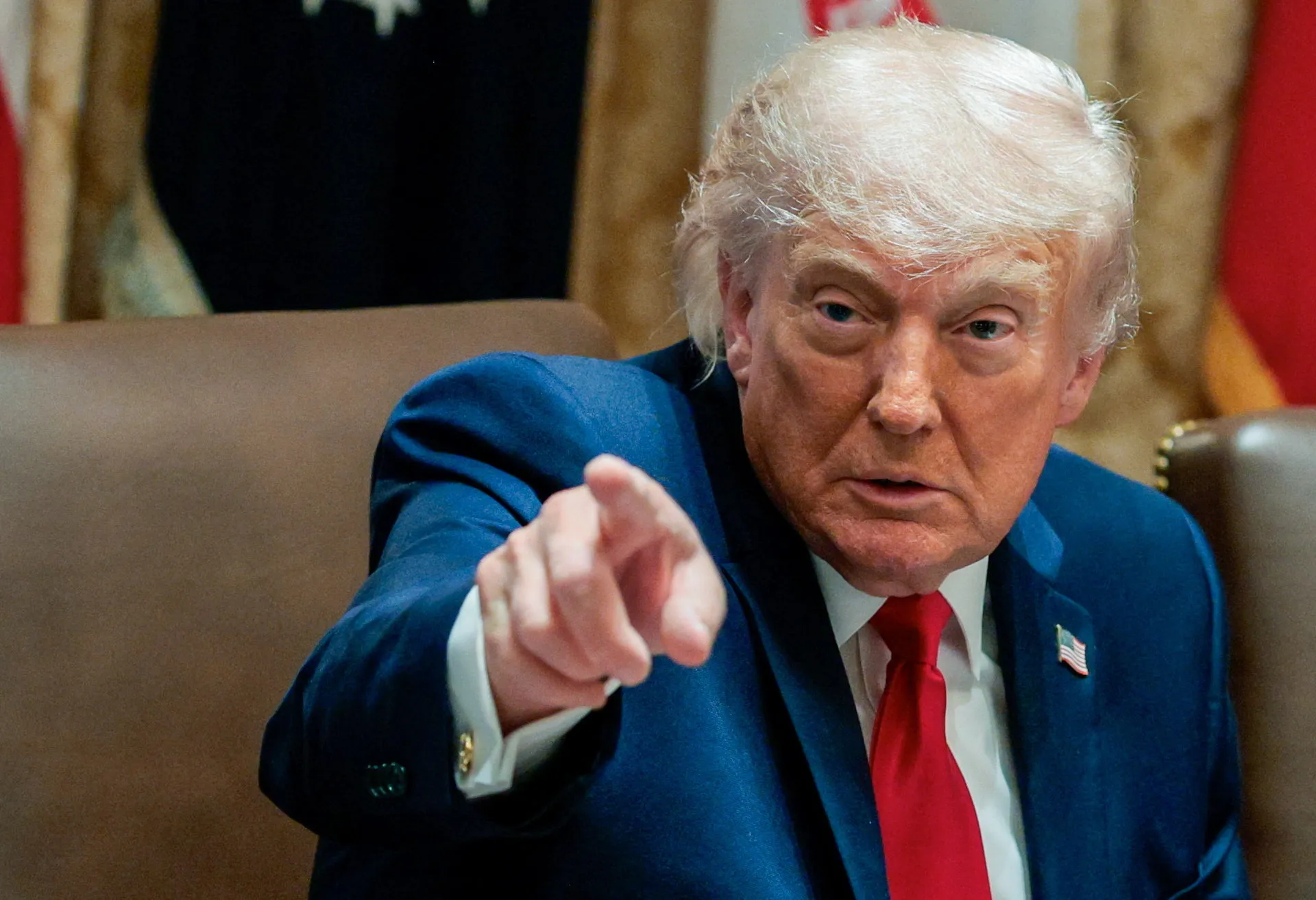
Prospects for a United States-Iran agreement to end the ongoing conflict remained uncertain on Friday, as President Donald Trump stated he would make a “final determination” on a potential deal. The President’s comments followed a meeting with senior advisers in the White House Situation Room, though immediate next steps were not clarified. The diplomatic uncertainty persists despite a memorandum of understanding agreed upon by the US and Iran on Thursday, which was intended to extend a fragile ceasefire for 60 days and initiate formal talks.
Iranian officials have firmly rejected the notion that a deal has been concluded. Chief negotiator Mohammad Bagher Ghalibaf stressed that no understanding had been reached and emphasised that Tehran would judge any agreement by actions rather than words. Ghalibaf added that no steps would be taken unless Washington acted first, reflecting a deep-seated lack of trust in verbal guarantees. This stance aligns with reports that Iran maintains its nuclear programme is solely for civilian purposes and has rejected negotiating its nuclear capabilities.
Concurrently, military operations continued to escalate in the region. Israeli Prime Minister Benjamin Netanyahu announced that Israeli forces had advanced beyond Lebanon’s Litani River. The military movement followed a series of attacks across Lebanon on Friday, which reportedly killed or wounded dozens of civilians. The violence underscores the fragility of the ceasefire that began on 8 April, which has been repeatedly tested by cross-border hostilities.
The diplomatic landscape has been further complicated by recent military actions. US forces recently conducted strikes on missile sites and vessels in southern Iran, citing self-defence against threats from Iranian forces. These attacks, described by United States Central Command as necessary responses to imminent threats, have raised concerns that the fragile truce is unraveling even as negotiators attempt to establish a framework for peace.
While US Vice-President JD Vance previously indicated that negotiators were working through specific language points, including the question of enrichment, and claimed the administration was “very close” to a resolution, the Iranian position remains unchanged. Esmaeil Baqaei, spokesman for Iran’s foreign ministry, told state television that the country is focused on ending the war and is not engaging in discussions on nuclear issues, further complicating the path toward a definitive settlement.