Diplomatic impasse halts Bangladesh PM’s maiden India trip
Bangladesh has suspended Prime Minister Tarique Rahman’s inaugural visit to India, citing a “vitiated” atmosphere following former leader Sheikh Hasina’s recent press conference in New Delhi.
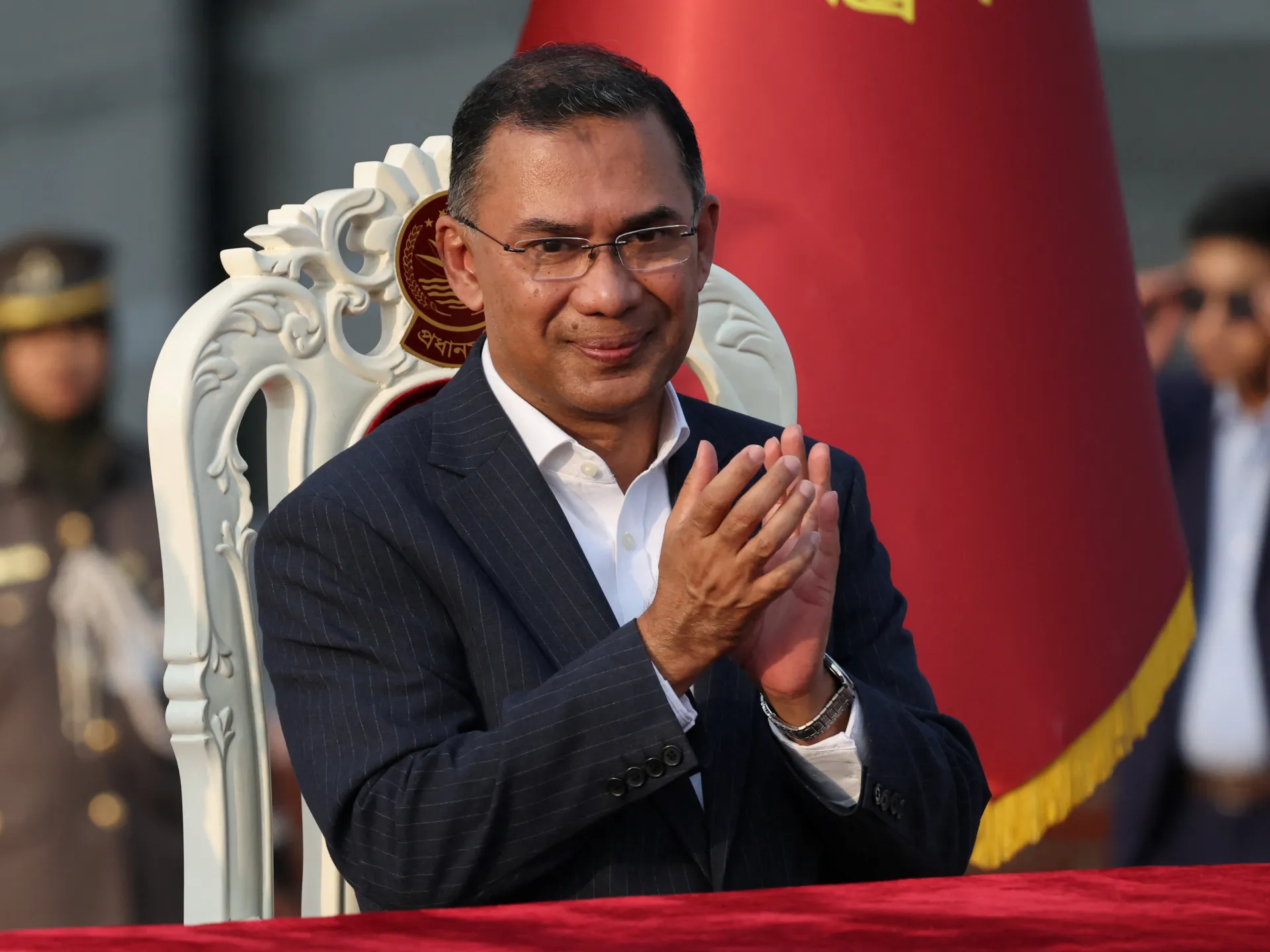
Bangladesh Prime Minister Tarique Rahman’s first official visit to India has been suspended, a decision that underscores the fragility of bilateral relations between the two South Asian neighbours. Dhaka stated that a press conference held by former Prime Minister Sheikh Hasina on 5 August in New Delhi had “vitiated” the diplomatic atmosphere, necessitating the creation of a “propitious environment” before the trip can proceed.
The visit was originally planned as a stand-alone event this month, ahead of the BRICS summit scheduled for next month. However, the Bangladesh Foreign Ministry indicated that officials from both nations have been engaged in talks for “several weeks” to resolve the impasse. While New Delhi had extended the invitation, Dhaka has formally requested Indian authorities to “expeditiously act” on the extradition of Hasina and other fugitive criminals, a demand made explicit in a statement on 16 August.
India’s position remains that the extradition matter is a political case rather than a standard criminal proceeding, despite the two nations sharing an extradition treaty with specific exceptions for political matters. Hasina, who fled to India during the student-led uprising in July 2024, was handed a death sentence in absentia in November 2025. Her recent virtual address from the Foreign Correspondents’ Club in New Delhi, marking two years of her ouster, was interpreted by Dhaka as an interference in its internal affairs.
Diplomatic efforts to bridge the gap have been complicated by the appointment of Dinesh Trivedi, a former minister and member of the Bharatiya Janata Party, as India’s envoy to Dhaka. Trivedi recently appealed to Rahman’s government to “move on” from the past, arguing that the Indian mission is not asking Dhaka to forget history. In response, Bangladesh’s Foreign Affairs Adviser Humayun Kabir stated there is “no rush” for the visit, noting that Dhaka is still ascertaining the type of relationship India seeks with the newly elected government.
The standoff highlights a broader shift in Bangladesh’s foreign policy, with Dhaka diversifying its diplomatic ties towards Pakistan, the United States, and China to reduce its traditional reliance on India. Tensions have been further exacerbated by India’s fencing of the 4,096km shared border and the deportation of individuals labelled as undocumented immigrants. Indian Foreign Minister Subrahmanyam Jaishankar has stated that bilateral ties must meet the “test of mutual interest,” while analysts suggest that domestic politics in Dhaka continue to constrain the relationship.
As both capitals remain tight-lipped on a definitive timeline, the suspension of Rahman’s visit serves as a clear indicator that the “Bangladesh First” policy prioritises sovereign equality and national dignity. The diplomatic turbulence reflects a move away from the close alignment seen under Hasina’s administration, with both nations now navigating a relationship defined by cautious engagement and unresolved historical grievances.